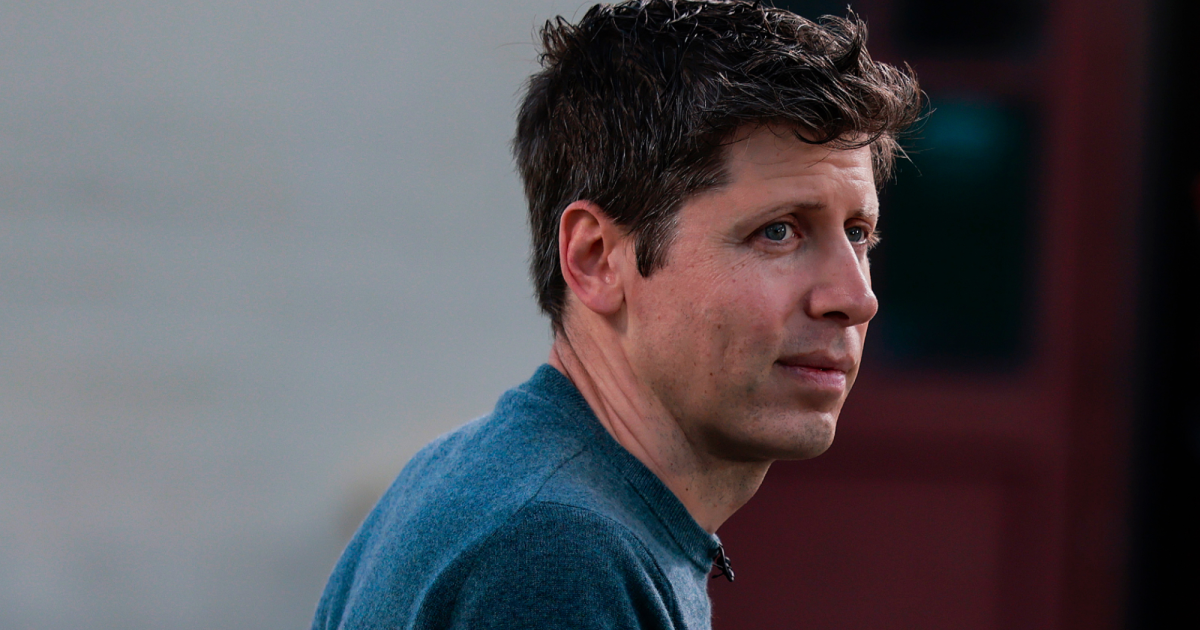
这部新电影的全球首映式上座无虚席,讲述了OpenAI首席执行官萨姆·奥尔特曼(Sam Altman)的崛起,带领一家不稳定的公司走上了一条危险的道路。最近一波备受瞩目的“流氓人工智能”安全事件、围绕科技行业主导的保障措施和监管的争议,以及持续的数十亿美元投资以促进发展,显然激起了公众的兴趣。
The world premiere of , the new movie centered around the rise of OpenAI CEO Sam Altman as he led an unstable company down a dangerous path, was packed. The recent wave of high-profile “rogue AI” security incidents, disputes over tech industry-led safeguards and regulation, and continued multibillion-dollar investments to advance development has clearly piqued public interest.
这部由电影制片人卢卡·瓜达尼诺(Luca Guadagnino)执导的电影包含了来自OpenAI和行业真实报道的场景:讨论如何确保其产品与人类价值观“一致”,同时与谷歌等竞争对手竞争,并进行企业重组以吸引微软等公司的投资。这还取决于广泛的公众情绪,即主要科技公司及其领导人拥有太多权力,开发人员应该暂停开发其最先进模型,以减轻人类面临的风险。
The movie, directed by filmmaker Luca Guadagnino, contains scenes derived from real reporting on OpenAI and the industry: discussions on ensuring their products “align” with human values while racing competitors such as Google, and undertaking corporate restructuring to draw investment from the likes of Microsoft. It also hinges on wide public sentiment that major tech companies and their leaders hold too much power and developers should pause development of their most advanced models to mitigate risks to humanity.
后面的人似乎也同意。扮演奥特曼的安德鲁·加菲尔德周一晚上在纽约电影节放映后问答中表示:“我们都感到更深层次的责任是尝试对我们将所有的自主权、权力和数据交给谁进行一些审讯,感觉就像是为更伟大的事情服务。”这位演员表示,电影制片人在拍摄时添加了新场景,以创建人工智能行业进展的“活文件”。
The people behind appear to agree. “The deeper responsibility we all felt is to try to do some interrogation of who we are giving all of our autonomy, power, and data to,” Andrew Garfield, who plays Altman, said on Monday night during the post-screening Q&A at the New York Film Festival, “that felt like the service to the greater thing.”The actor said the filmmakers were adding new scenes while shooting to create a “living document” of how the AI industry was progressing.
这部电影的道德中心是由尤拉·鲍里索夫饰演的OpenAI联合创始人兼前首席科学家伊利亚·萨茨凯弗(Ilya Sutskever),他看到了人工智能技术解决人类问题的潜力,但意识到自己的理想主义不符合市场的限制已经太晚了。杰森·施瓦茨曼(Jason Schwartzman)饰演的一位前人工智能研究员被描绘成一位清晰地看待这项技术未来的先知,他告诉萨特斯凯弗,它即使不会导致人类完全灭绝,至少也可能导致人工智能征服下的生命。
The moral center of the film is Ilya Sutskever, OpenAI’s co-founder and former chief scientist played by Yura Borisov, who sees in AI technology potential to solve humanity’s problems, but realizes too late that his idealism doesn’t fit within the constraints of the market. A former AI researcher played by Jason Schwartzman, presented as a prophet who sees the future of the tech with clarity, tells Sutskever that it could lead, if not to total human extinction, at least to life under AI subjugation.
但电影制片人也将那些不认识到这一点或根本不关心这一点的科技领导者描绘成愚蠢的狂妄自大狂。虽然加菲尔德将奥特曼描绘成不断回避对抗,以让人们尽可能原谅他,但他也以卡通般的品质扮演了他--他疯狂的姿势转变被当作笑话,后期制作团队将演员的棕色眼睛变成了明亮、不人道的蓝色。对于像艾克·巴林霍尔茨(Ike Barinholtz)饰演埃隆·马斯克(Elon Musk)这样的人来说更是如此,他的面部表情和举止似乎更愚蠢而不是威胁。
But the filmmakers also portray the tech leaders who don’t recognize this—or simply don’t care—as goofy megalomaniacs. While Garfield portrays Altman as constantly dodging confrontation to get people to be as forgiving toward him as possible, he also plays him with a cartoonish quality—with his frantic shifts in posture played as a joke, and the post-production team changing the actor’s brown eyes to a bright, inhuman blue. Even more so for others like Ike Barinholtz as Elon Musk, whose facial expressions and demeanor seem to lean far more silly than threatening.
断断续续的喜剧救济场景赋予了电影的讽刺一面素描的活力--编剧西蒙·里奇曾为这部喜剧剧撰稿--立竿见影,但深度和细微差别基本上缺乏。电影制片人可以从更深、更黑暗的地方汲取他们的幽默,以及他们对这些角色可笑之处的更广泛理解。(对于厌恶女性的硅谷文化,有一些模糊的姿态,但没有任何政治或深度个人化的迹象。)
The intermittent comic relief scenes give the movie’s satirical side the energy of sketches—the screenwriter, Simon Rich, previously wrote for the comedy show—immediate, but largely short on depth and nuance. The filmmakers could pull their humor, and their wider sense of what’s laughable about these characters, from deeper, and darker, places. (There are vague gestures at a misogynistic Silicon Valley culture, but nothing political or deeply personal.)
由于角色更多地像漫画一样运作,这部电影并没有满足加菲猫周一所说的“更深层次的责任”,即审问它所描绘的人或他们背后的文化,无数关于生成性人工智能潜在危害的解释性对话-现实生活中的角色之间释放了所谓的伤害通过全球规模的商业关系--没有感到扎根于任何现实。对生存风险的提及仅此而已:奥尔特曼说“国家将会崩溃。行业将会崩溃。”唯一要解决的具体伤害是人工智能对一个人自杀的贡献。
With the characters operating more as caricatures, the movie doesn’t meet what Garfield called on Monday “the deeper responsibility” to interrogate the people it depicts or the culture behind them the countless expository conversations on the potential harms of generative AI—between real-life characters who unleashed said harms through global-scale business relationships—don’t feel grounded in any reality. The mentions of existential risks stop at just that: Altman says “Countries will fall. Industries are gonna collapse.”The only specific harm addressed is AI’s contribution to a person’s suicide.
正如我周一所写的那样,好莱坞可能最终会赶上科技公司对我们世界的负面影响,这是件好事。以前的许多硅谷电影都没有。但仅仅能够对我们的科技霸主咯咯笑是不够的。琼斯妈妈
As I wrote on Monday, it’s good that Hollywood might finally be catching up to tech companies’ negative impacts on our world. Many Silicon Valley films before did not. But only being able to giggle at our tech overlords is not enough. Mother Jones