劳拉不知道,一旦药物用完自己该怎么办。多年来,她一直依靠加州版的医疗补助计划“Medi-Cal”来支付治疗2型糖尿病所需的费用——包括看医生的费用、各项检查以及药物开销。作为来自墨西哥的无证移民,她受益于加州的相关政策:该政策允许所有低收入居民无论移民身份如何都能申请Medi-Cal。
Laura doesn’t know what she’s going to do when her medication runs out. For years, she relied on Medi-Cal, California’s version of Medicaid, to cover the costs of treating her Type 2 diabetes: doctor visits, tests, medication. An undocumented immigrant from Mexico, she benefited from California policies that opened Medi-Cal to all low-income residents, regardless of immigration status.
然而去年冬天,她收到通知称自己的保险即将到期,需要重新申请续保。当时居住在旧金山湾区的劳拉表示,由于害怕被卷入移民执法行动,她很少出门。几个月来,她多次错过了就诊预约,只能托朋友帮忙取药。
Last winter, however, she received a notice that her coverage was set to expire and that she would need to renew it. At the time, Laura, who lives in the San Francisco Bay Area, said she rarely left her home, scared of getting caught up in an immigration enforcement operation. For months, she had missed many of her appointments and sent friends to pick up her prescriptions.
最终她还是鼓起勇气前往了保险登记处。负责审核她续保申请的工作人员告知她,由于她的部分家庭成员从事的是无正式记录的地下工作,因此全家人都必须填写并签署收入证明。她的丈夫对此犹豫不决,因为此前有消息称Medi-Cal会与美国移民及海关执法局共享数据。
But she eventually ventured to the enrollment office. There, the person reviewing her renewal application told her that, since some of her family members were paid under the table, they would all have to make and sign attestations of income. Her husband was hesitant, worried by news of Medicaid’s data-sharing agreement with ICE.
“对我来说,更多的是恐惧,”她用西班牙语说道,“我没有写那份证明,也没有把材料带回来……我们不确定那些关于数据共享的传闻是否属实,也不清楚对方会采取什么措施。”最终他们认定风险实在太大。续保截止日期过后,劳拉再也无法恢复保险资格。今年1月1日起,由于预算赤字加剧以及联邦政府削减医疗补助资金,加州开始不再向无证移民成年人提供完整的Medi-Cal福利。如今,只有在2026年之前已参保且未中断保险的人才能继续享受相关待遇;对劳拉而言,一切都为时已晚。
“For me it was more about fear,” she said in Spanish. “I didn’t write the letter and I didn’t take it back…We didn’t know if [the news about data sharing] was true or what they could do.”They decided the risk was too great. The deadline passed.
自特朗普第二任期开始以来,全美各地的医生与政策专家纷纷发出警告:由于担心遭到驱逐,许多移民选择放弃就医。例如,去年冬天在明尼苏达州开展的“Metro Surge行动”中,研究人员发现西班牙语家庭爽约就诊的比例上升了80%以上。
And now Laura cannot get her coverage back. On January 1, California began denying full Medi-Cal benefits to undocumented adults amid a growing budget deficit federal Medicaid cuts Now, only those enrolled before 2026 can keep their coverage, as long as they don’t roll off; for Laura, it was too late.
医疗补助计划并不为无合法身份的移民提供全额医疗保障。事实上,今年10月起,根据共和党于2025年7月通过的预算法案——即所谓的“一项宏伟而美好的法案”——许多原本符合条件的合法移民的医保覆盖范围也被缩减。
Since the start of the second Trump administration, doctors and policy experts across the country have increasingly warned that immigrants are avoiding medical care as deportation fears weigh heavily on their day-to-day lives. During Minnesota’s Operation Metro Surge last winter, for instance, researchers found that the rate of missed appointments increased by more than 80 percent among Spanish-speaking families.
不过,即便仍有资格享受政府资助的医保项目,许多移民仍选择退出。要知道,由于资金紧张,包括加利福尼亚、科罗拉多和华盛顿在内的多个“蓝州”都已开始限制或缩减这些项目的参保人数,这意味着这些移民日后可能再也无法获得相应的医疗援助。
Medicaid doesn’t fund full coverage for undocumented immigrants. In fact, this October, it scaled back coverage for many immigrants with legal status who were previously eligible, as provisions of the GOP’s July 2025 budget bill—better known as the “One Big Beautiful Bill”—kicked in.
“过往研究表明,这些政策带来的威慑效应、恐惧心理以及不确定性,导致选择退出医保的移民人数远远多于那些直接受政策影响的群体,”凯撒家庭基金会移民健康政策主任德里什蒂·皮莱说道。
But many immigrants are also choosing to drop out of programs that they are still eligible for, including state-funded coverage—even though, as blue states including California, Colorado Washington roll back and cap enrollmen t for these programs due to funding constraints, they might not be able to recover that medical support later on.
随着更多联邦政策相继实施,比如新的参保资格规定以及对“公共负担”规则的修订——新规则规定部分绿卡申请者若使用了诸如医疗补助等非现金类公共福利也将受到惩罚——皮莱预测,今后选择放弃医疗服务的移民比例还将持续上升。
“What past research has shown us is that just the chilling effect and the fears and uncertainty around these policies lead many more immigrants to disenroll from coverage than those who are directly impacted,” said Drishti Pillai, director of immigrant health policy at KFF.
本文中化名为劳拉的女子表示,起初她不愿分享自己的经历,原因正是她不敢冒险续保健康保险。但她认为,有必要让更多人了解这一现实情况,因为她的许多朋友和熟人也都遭遇了同样的困境。“我知道,经历这种事的不止我一个人,”她说。
As more federal policies are implemented, such as the new eligibility provisions and changes to the federal public charge rule, which now penalizes some green card applicants if they use non-cash public benefits like Medicaid, it’s likely that the share of immigrants avoiding healthcare will keep “increasing as time goes on,” Pillai said. Laura, who is going by a pseudonym in this article, said she was initially reluctant to share her experience for the same reasons she didn’t risk renewing her health insurance benefits. But it was important, she reasoned, to raise awareness of a situation that has also happened to other of her friends and acquaintances.
从2025年5月至2026年3月,约有24.4万名移民被取消了加州资助的医疗补助项目的参保资格。这些项目原本是为那些因身份问题无法加入联邦医疗补助计划的低收入居民设立的。与往年情况相比,这一变化极为显著——过去这些项目的参保人数通常每月都在增长。
“I know I’m not the only person who is going through this,” she said. From May 2025 to March 2026, around 244,000 immigrants disenrolled from California-funded expansion programs meant for low-income residents ineligible for Medicaid due to their legal status. It’s a drastic change from years prior, when enrollment in these programs generally increased each month.
根据加州医疗基金会高级项目官员戴安娜·卡马乔的说法,尽管截至2025年5月,参与这些项目的人员仅占全州Medi-Cal参保人数的九分之一左右,但在同年5月至2026年3月期间,他们却占了全州参保人数减少总量的约三分之一。
Despite the fact that people in expansion programs only made up about one in nine of the state’s Medi-Cal enrollees as of May 2025, based on public enrollment data, they accounted for about a third of disenrollments in the state from that month to March 2026, according to Diana Camacho, a senior program officer at the California Health Care Foundation.
加州并未记录居民退出Medi-Cal项目的具体原因。像劳拉这样的许多人,只是因为未能在截止日期前续保而失去了参保资格。
California doesn’t keep track of why its residents disenroll from Medi-Cal. Many people, like Laura, simply roll off when they don’t renew their plan before their deadline.
不过,卡马乔的访谈结果显示,“恐惧与信息匮乏”才是关键因素。她的团队发现,许多移民在决定是否续保时,都会顾虑“移民执法行动、个人数据被共享的可能性以及公共负担规则的变动”——即便像劳拉这样的人其实也无法撤销自己的决定。
Conversations Camacho has had, however, suggest that “fear and lack of information” are at work. Her team has heard immigrants voice concerns “about immigration enforcement, data sharing, as well as changing public charge rules” in weighing whether to renew—even when, like Laura, they might not be able to reverse their decision.
“由于种种原因,整整一代儿童和移民家庭的学习进度都受到了影响。”洛杉矶加州大学拉丁裔政策与政治研究所最近发布的一项分析报告将美国移民及海关执法局的逮捕数据与加州资助医疗项目的参保人数进行了对比。结果显示,虽然以无证移民为主要参保群体的这些项目,其参保率确实在洛杉矶实施执法行动后开始下降,但降幅远远超出了同期被捕人数。
“A whole generation of children and immigrant families are falling behind in school because of all of this.” recent analysis by the Latino Policy and Politics Institute at the University of California, Los Angeles, compared data on ICE arrests with Medi-Cal enrollment numbers in state-funded programs. It found that, though enrollment rates in state-funded programs—which are used predominantly by undocumented immigrants—started decreasing after raids began in Los Angeles, the drops went far beyond the number of people arrested during that time. Many factors “suggest that immigration enforcement has led to what is commonly known as the chilling effect,” said Arturo Vargas Bustamante, the institute’s faculty director of research.
“诸多因素表明,移民执法措施确实引发了所谓的‘寒蝉效应’,”该研究所的研究主任阿图罗·瓦尔加斯·布斯塔曼特说道。他的研究指出,2025年该群体中约三分之一的人退出相关项目,这一现象无法用驱逐出境或正常的入学人数波动来解释。瓦尔加斯·布斯塔曼特认为,这部分人数下降的原因正是人们的恐惧心理。
About a third of this group’s disenrollments in 2025, his study noted, couldn’t be explained by deportations or by regular enrollment fluctuations. Vargas Bustamante attributes that share of the decline to fear. Though Northern California has been spared raids on the scale of Los Angeles or Chicago, Laura and her family have had much to be scared about: Last October, a planned massive ICE deployment was announced, then cancelled in the Bay Area, followed by news of ICE activity multiple cities across the region and at San Francisco International Airport Laura’s biggest worry, she said, is that her family could be separated.
虽然北加州尚未发生像洛杉矶或芝加哥那样大规模的执法行动,但劳拉和她的家人仍忧心忡忡:去年10月,移民及海关执法局曾宣布计划在湾区开展大规模执法行动,随后又取消了计划;此后又有消息称该局在区域内的多个城市以及旧金山国际机场展开了行动。劳拉坦言,她最担心的是家人会被拆散。她的两个孩子都是美国公民,他们告诉母亲不愿搬到别的国家、离开现有的生活。
Her two children, both US citizens, have told her they don’t want to move to a new country and leave their old lives behind. Though her children are young adults—her son just started college, and her daughter works and lives on her own—they still need her help. Her son is not yet financially independent; her daughter is autistic, so Laura wants to be close by.
虽然两个孩子都已成年——儿子刚上大学,女儿也独自工作生活——但他们仍需要母亲的帮助:儿子尚未经济独立,女儿患有自闭症,因此劳拉希望能陪伴在身边。
Last year, when she still had coverage, “I would tell my doctor that I didn’t know why my glucose levels were rising,” Laura said.
“去年我还有医保时,我常对医生说自己不明白为何血糖水平会升高,”劳拉回忆道,“我坚持锻炼、饮食也健康,但压力实在太大。这种压力源于儿子还在读高中,他非常担心我的安危。他总是劝我别去学校、别等他放学,这让我更加担心他。”据瓦尔加斯·布斯塔曼特介绍,像劳拉这样以无证移民父母为家庭主要经济支柱的家庭正是受“寒蝉效应”影响最深的群体:对他们而言,对家人被拆散的恐惧最为沉重。
“I was working out, I was eating well, but I was stressed. And my stress was because my son was in high school and very worried about me. He would tell me to not go to his school, to not wait for him, and he would get worried. And I was even more worried for him.”According to Vargas Bustamante, families like Laura’s, where undocumented parents are a household’s main providers, are among “the most affected” by these chilling effects: they are those for whom fears of family separation carry the most weight.
支持奥克兰和旧金山拉丁裔和土著妇女的非营利组织Mujeres Unidas y Activas的阿尔玛·桑塔纳(Alma Santana)表示,即使是有保险的成年人也没有充分利用他们可以获得的医疗服务。
Even adults with coverage are underusing the health services they have access to, says Alma Santana of Mujeres Unidas y Activas, a nonprofit that supports Latina and indigenous women in Oakland and San Francisco.
该非营利组织移民权利项目负责人桑塔纳说:“我们的成员已经停止赴约,从基本就诊到初级保健就诊。”“他们担心如果去了会被拘留。”她说,与她一起工作的两名女性分别患有糖尿病和癌症,她们决定自行驱逐到墨西哥,担心如果被拘留,她们的医疗服务会中断。
“Our members have stopped going to their appointments, from basic ones to primary care visits,” said Santana, who heads the nonprofit’s immigrant rights program. “They’re worried about being detained if they go.”Two women she worked with, who had diabetes and cancer respectively, she said, decided to self-deport to Mexico, worried about interruptions to their medical care if they were detained.
倡导者和资源提供者越来越难告诉移民什么是安全的。联邦政府的许多新移民政策都在法庭上受到质疑,尽管并不总是成功。有时,就像医疗补助与ICE的数据共享协议一样,联邦政府计划使用数据的方式仍然不清楚。但像桑塔纳这样的团体试图确保移民拥有尽可能多的信息来权衡他们的选择。
It’s increasingly difficult for advocates and resource providers to tell immigrants what’s safe Many of the federal administration’s new immigration policies have been challenged in court, though not always successfully. Sometimes, as with Medicaid’s data sharing agreement with ICE, the way the federal government plans to use the data remains unclear. But groups like Santana’s try to make sure immigrants have as much information as possible to weigh their options. “There’s a lot of fear, and then there’s people who, at a moment in time, decided not to renew and then later regretted it,” Santana said.
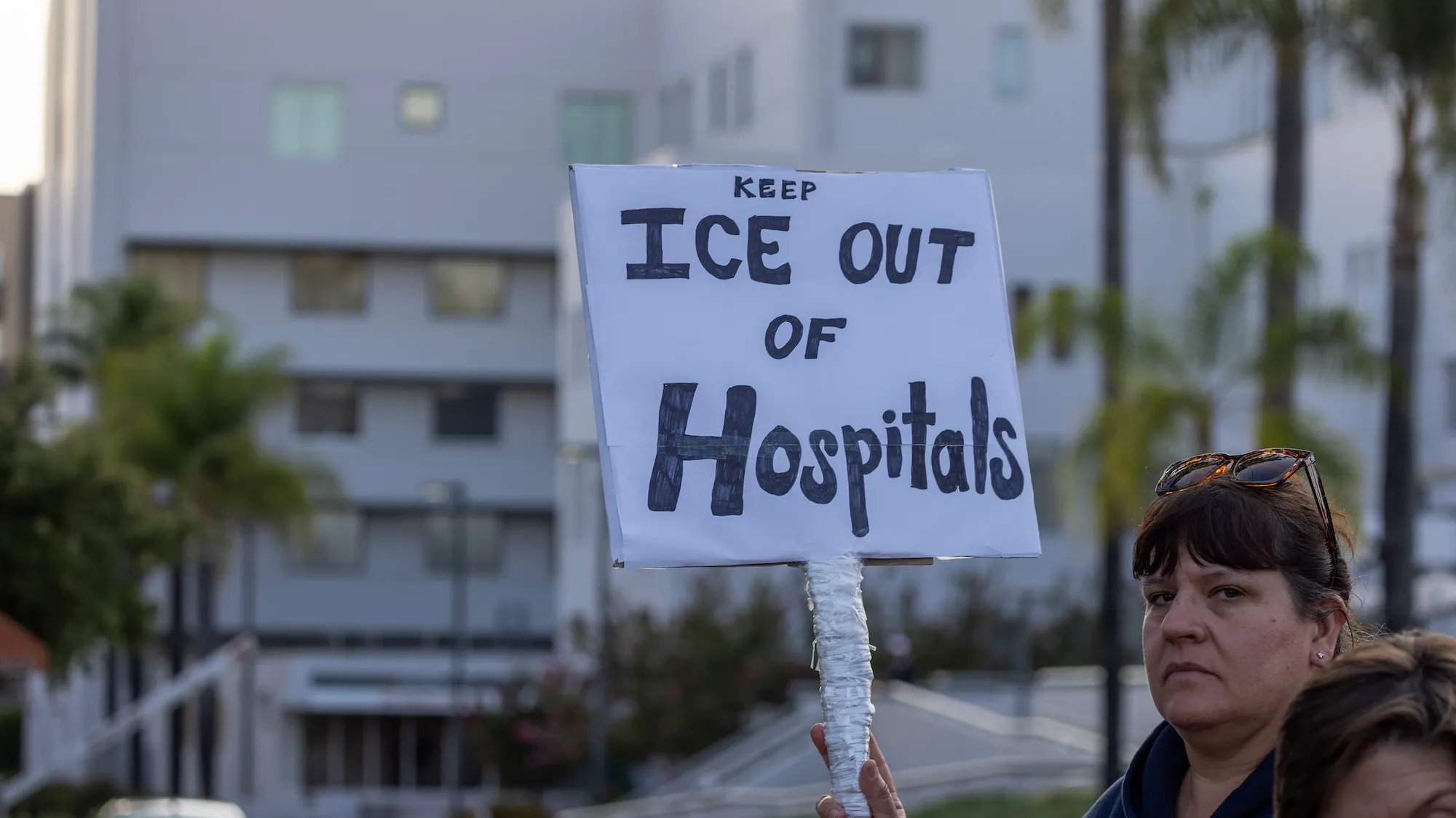
桑塔纳说:“有很多恐惧,有些人在某个时刻决定不续约,后来又后悔了。”
That impact extends to kids.
这种影响延伸到孩子。多年来,旧金山儿科医生劳尔·古铁雷斯(Raul Gutierrez)与他的病人建立了很大的信任,其中许多病人来自讲西班牙语的移民家庭。但自特朗普第二任总统任期开始以来,他注意到他们更不愿意寻求治疗。
Over the years, San Francisco pediatrician Raul Gutierrez has built a lot of trust with his patients, many of whom are from Spanish-speaking immigrant families. But since the start of the second Trump presidency, he’s noticed they’re much more reluctant to seek treatment. “More kids need reminders to come to their visits. Kids are missing their vaccines,” Gutierrez said.
“更多孩子需要有人提醒他们按时就诊。很多孩子错过了疫苗接种,”古铁雷斯说,“还有一些孩子错过了专科门诊,而这些检查对他们来说至关重要。”一位母亲曾问古铁雷斯,是否有必要带女儿去看肠胃科医生;那位专科医生在另一个她不熟悉的城市。“她真的很难回答这个问题:‘我们到底该不该去,冒被拘留的风险?’”他说。
“Kids are missing their specialty appointments for things that they need to be evaluated on.”One mother asked Gutierrez if it was necessary to take her daughter to the gastroenterologist; the specialist was located in a different city that she didn’t know well. ”She really was struggling with that question of, ‘Do we go and just risk the possibility of being detained?’” he said. He has sought workarounds to let those families safely access care, such as phone appointments.
他一直在寻找变通办法,让那些家庭能够安全地获得医疗护理,比如通过电话预约。但这种方法并不总是可行。古铁雷斯表示,有些家庭等待太久才去就医;他认识的一个家庭,孩子患有会导致脑内积液的疾病,却一直等到孩子需要紧急手术才采取行动。
But that’s not always possible. Some families, Gutierrez said, wait too long to access care; one family he knows, whose child had a condition that causes fluid accumulation in the brain, waited until their child needed emergency surgery. Other families, he has noticed, have opted to not renew their children’s Medi-Cal altogether—even though children under 18 in California are still eligible regardless of immigration status.
他还注意到,有些家庭干脆选择不为子女续办“医疗补助卡”(Medi-Cal)——尽管在加州,18岁以下的儿童无论移民身份如何,仍然有资格享受这项服务。“现在有很多疑问,大家也不确定这些信息是如何传递的,”他说。
“There’s so many questions that are being asked and so much uncertainty about how that information is being shared,” he said. Gutierrez worries that these lapses in coverage will leave immigrant children with even more unmet health care needs, including mental health support, which he notes more children now require amid deportation fears.
古铁雷斯担心,这些保障中断的情况会让移民儿童面临更多未满足的医疗需求,包括心理健康支持。他指出,随着驱逐出境的担忧日益加剧,现在需要心理支持的孩子也越来越多。
“I worry that a whole generation of children and immigrant families are afraid to engage in their communities and not take advantage of all the wonderful things that help them thrive and that help them just be children,” he said. “A whole generation of children and immigrant families are falling behind in school because of all of this.”
他说:“我担心整整一代的儿童和移民家庭都不敢参与他们的社区,而不是利用所有帮助他们茁壮成长、帮助他们成为孩子的美好事物。”“因此,整整一代的儿童和移民家庭在学校落后。”卡马乔说,新的州和联邦政策可能会使明年的失学情况更加严重,而且不仅仅是对移民来说。明年将对Medi-Cal实施进一步限制,增加更多资格检查和工作报告要求,为所有低收入加州居民创造更多障碍。
New state and federal policies could make disenrollments even worse in the coming year, Camacho said, and not just for immigrants. Further restrictions on Medi-Cal will kick in next year that add more eligibility checks and work reporting requirements, creating more barriers for all low-income California residents. The “public charge” rule, implemented in mid-September is among the policies that alarms advocates most: immigration officers now consider whether immigrants or their family members use public benefits like Medicaid and SNAP when reviewing applications for permanent residency. “It’s hard not to live stressed, thinking about what might happen tomorrow if you go to the store and you don’t come back.”
9月中旬实施的“公共费用”规则是最令倡导者震惊的政策之一:移民官员现在在审查永久居留申请时考虑移民或其家庭成员是否使用医疗补助和SNAP等公共福利。
After Trump first tried to implement a similar rule in 2019—when it was contested in the courts and eventually rescinded by the Biden administration—researchers found that, though the rule did not apply to many of the immigrant groups that qualify for benefits, it had broader impacts on those groups’ willingness to seek support.
“想想如果你去商店却不回来,明天可能会发生什么,很难不感到压力。”特朗普于2019年首次尝试实施类似的规则后--当时该规则在法庭上遭到质疑,最终被拜登政府废除--研究人员发现,尽管该规则不适用于许多有资格享受福利的移民群体,但它对这些群体寻求支持的意愿产生了更广泛的影响。例如,KFF 2021年的一项调查发现,四分之一的无证拉丁裔成年人和十分之一的合法永久拉丁裔居民决定选择退出政府援助计划,因为他们担心这对他们或家庭成员的移民身份产生影响。
A 2021 KFF survey, for instance, found that 1 in 4 undocumented Latino adults, and 1 in 10 lawful permanent Latino residents, had decided to opt out of government assistance programs because they worried about its impact on their immigration status or that of a family member. “Perhaps it’s going to go away at the end of the Trump administration,” Vargas Bustamante said. A group of 22 states has already filed a lawsuit challenging the rule.
“或许这项规定会在特朗普政府任期结束时被废除,”巴尔加斯·布斯塔曼特说道。目前已有22个州联合提起诉讼,对这项规定提出质疑。不过他预测,眼下这项规定只会“在我们的社区中引发更为严重且令人不安的后果。”上一次劳拉去看医生时,医生为她续开了处方,并表示即便劳拉不再享有医保,他们也能想办法继续诊疗。
But for now, he predicts, it will only “generate bigger and more chilling effects in our communities.”The last time Laura saw her doctor, she re-filled Laura’s prescriptions and said that they could figure out a way to continue their visits, even though Laura no longer had coverage. It wasn’t the first time her doctor had expressed concern. Laura said the doctor had called her multiple times last winter, asking her why she wasn’t showing up to her appointments.
这并非劳拉的医生第一次表达担忧。劳拉说,去年冬天医生多次打电话给她,询问为何她不再按时就诊。劳拉解释称自己不想让自己面临感染风险。但医生又问,如果她从此不再看医生,情况又会如何呢?
Laura would say that she didn’t want to put herself at risk. But what would happen, Laura’s physician asked, if she stopped going to the doctor? When Laura went to pick up her pills with her new prescription, she learned she’d have to pay out of pocket. She can’t cover that cost regularly—the 53-year-old hasn’t been able to find a consistent source of income since last year, when the woman she regularly cooked and cleaned for told her she could no longer afford to pay for her help due to the Bay Area’s rising cost of living.
当劳拉拿着新开的处方去取药时,她得知必须自费支付费用。她根本无力承担这笔开销——这位53岁的女子自去年起就一直找不到稳定的收入来源。当时,她长期负责为其做饭、打扫家务的那位雇主表示,由于旧金山湾区生活成本不断上涨,实在负担不起她的劳务费用。
“It’s a very uncertain future,” Laura said. “I don’t know if I’m going to have the same support.”She is hardly the only one.
“未来的路充满了不确定性,”劳拉说道,“我不知道自己还能不能得到同样的帮助。”而她绝非个例。
“With the messages we’re getting every day, it’s hard to stay calm,” said Santana, of Mujeres Unidas y Activas.
“每天我们都会收到各种消息,实在很难保持冷静,”“联合行动妇女组织”的桑塔纳说道,“很难不感到焦虑不安,总在担心明天去商店购物时会不会遭遇不测。”
“It’s hard not to live stressed, thinking about what might happen tomorrow if you go to the store and you don’t come back.”