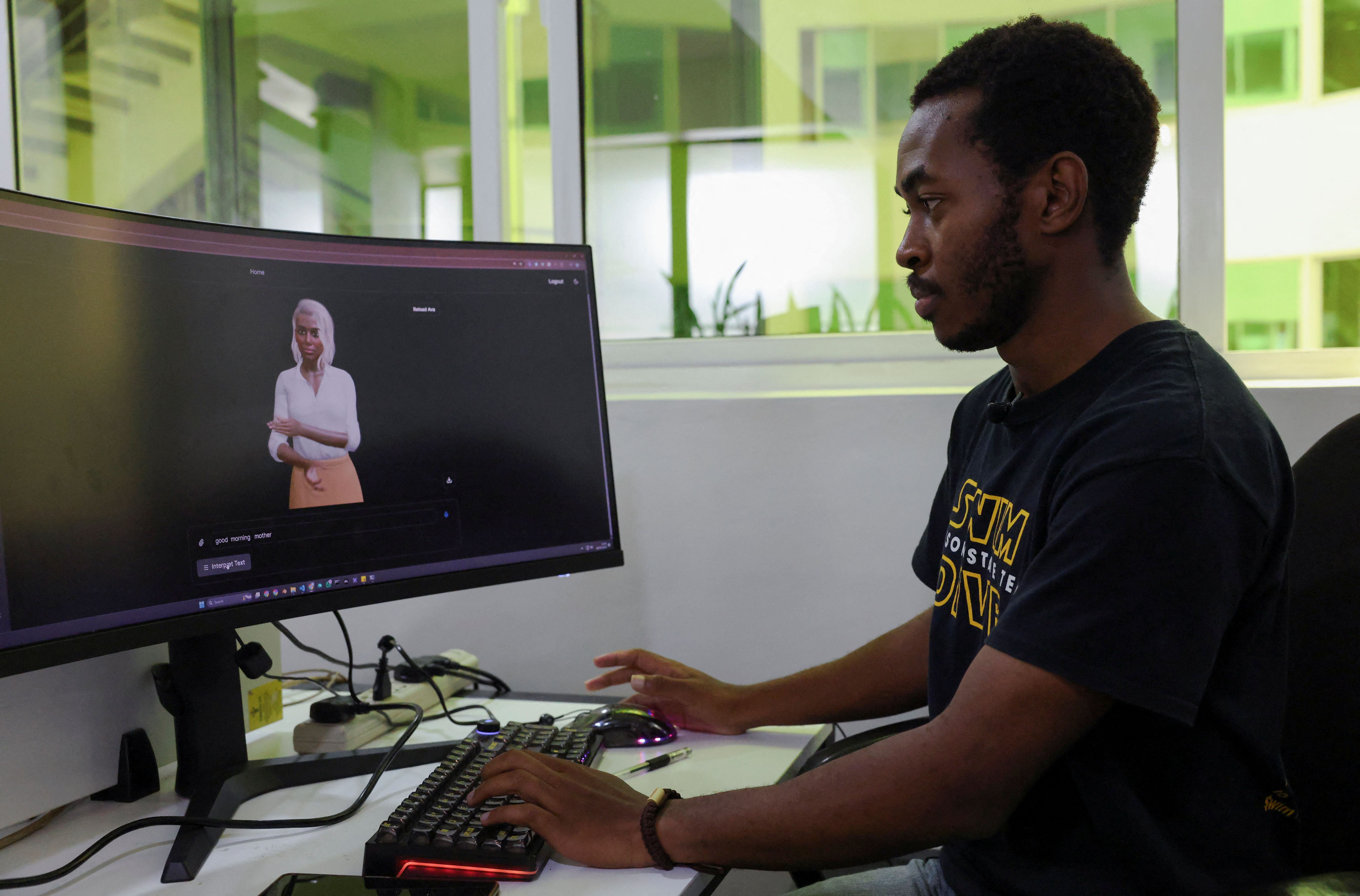
英卡的观点:本月,多哥邀请民众提交文本、录音及翻译资料,以帮助人工智能模型掌握该国50种本土语言。
Yinka’s view This month, Togo invited citizens to contribute texts, recordings, and translations to help AI models understand the West African country’s 50 local languages.
大型语言模型中缺乏非洲语言的现象,已成为非洲各国政策制定者与科技领袖们极为担忧的问题。不过,多哥的举措表明:未来非洲人工智能的发展,或许并不取决于谁能开发出规模最大的模型,而取决于谁能让这项技术切实惠及更多民众。
The absence of African languages from large language models has become a major concern for the continent’s policymakers and tech leaders. But initiatives like Togo’s suggest the future of AI in Africa may hinge less on who builds the biggest model than on who makes the technology useful to the most people.
据市场研究机构高德纳预测,今年全球人工智能领域的投资额有望突破2万亿美元,各大科技巨头也正竞相建设算力与基础设施。然而,目前仅有极少数非洲企业能分得云计算市场的份额,且占比微乎其微:世界银行数据显示,非洲人口占全球总人口的18%,但数据中心容量仅占全球的0.6%;其中具备运行高级人工智能任务能力的数据中心更是仅占5%。
Global AI investment is expected to hit $2 trillion this year, according to research firm Gartner, as tech giants race to build computing power and infrastructure. But few African companies are capturing the cloud computing spending, and even then the numbers are tiny: Africa has 18% of the world’s population, but only 0.6% of global data-center capacity, the World Bank says — and just 5% of that is equipped for advanced AI workloads.
现阶段,非洲与人工智能热潮的主要关联点在于市场对铜、钴等矿产的需求。而更具长远价值的方向则是提升生产力——从帮助农民顺利进入市场,到助力政府高效提供公共服务。非洲开发银行估算,若能实现人工智能的广泛普及,到2035年非洲的GDP有望增加1万亿美元。不过,若缺乏相应基础设施与能源保障,人工智能很难为经济增长带来实质性助力。
For now, the continent’s main link to the boom is demand for minerals such as copper and cobalt. The bigger prize is productivity, from how farmers reach markets to how governments deliver services. The African Development Bank estimates inclusive AI adoption could add up to $1 trillion to Africa’s GDP by 2035. But without the infrastructure and energy to deploy it, AI is unlikely to add meaningfully to growth.
正因如此,世界银行在本周发布的半年期《经济展望》中指出:多数非洲国家应优先引进并因地制宜地应用人工智能技术,而非耗费有限的资源从零开始研发前沿模型。多哥的实践恰恰印证了“因地制宜”的重要性:一款无法识别民众所用语言的模型,根本无法助力政府提供有效的公共服务。
That’s why the World Bank argues in its biannual Economic Update, published this week, that most African economies should adopt and adapt AI rather than build frontier models from scratch — an expensive use of limited resources. Togo shows what adaptation looks like: A model that can’t understand citizens’ languages is of little use in delivering government services.
非洲各国无需去争夺打造最大规模人工智能模型的竞赛,但必须让人工智能在本国经济中发挥实际生产力作用。它们也绝不能仅仅充当人工智能革命的供应方或现成人工智能产品的消费者;而应努力成为让这场革命产生最大效益的地区。
African countries don’t need to win the race to build the biggest model, but they do need to make AI productive across their economies. They also can’t afford to merely be suppliers to the AI revolution or just consumers of finished AI products; they need to become places where that revolution delivers its biggest gains.
世界银行特别指出了一些成本低廉却成效显著的非洲人工智能应用场景:诸如辅助学生学习的工具、帮助农民识别并防治牲畜疾病的系统,以及能自动完成小企业记账等工作的软件。
Notable The World Bank highlighted several low-cost but impactful uses of AI in Africa: Tools that support student learning, help farmers detect and manage livestock diseases, and automate tasks such as accounting for small businesses.