1980年代的法律禁止录像店透露客户租借了什么影片。在流媒体时代,这意味着什么?那是录像机、录像带和百视达滞纳金的时代。
The 1980s law prohibited video stores from disclosing what their customers rented. What does it mean in the streaming era? It was an age of VCRs, videotapes and Blockbuster late fees.
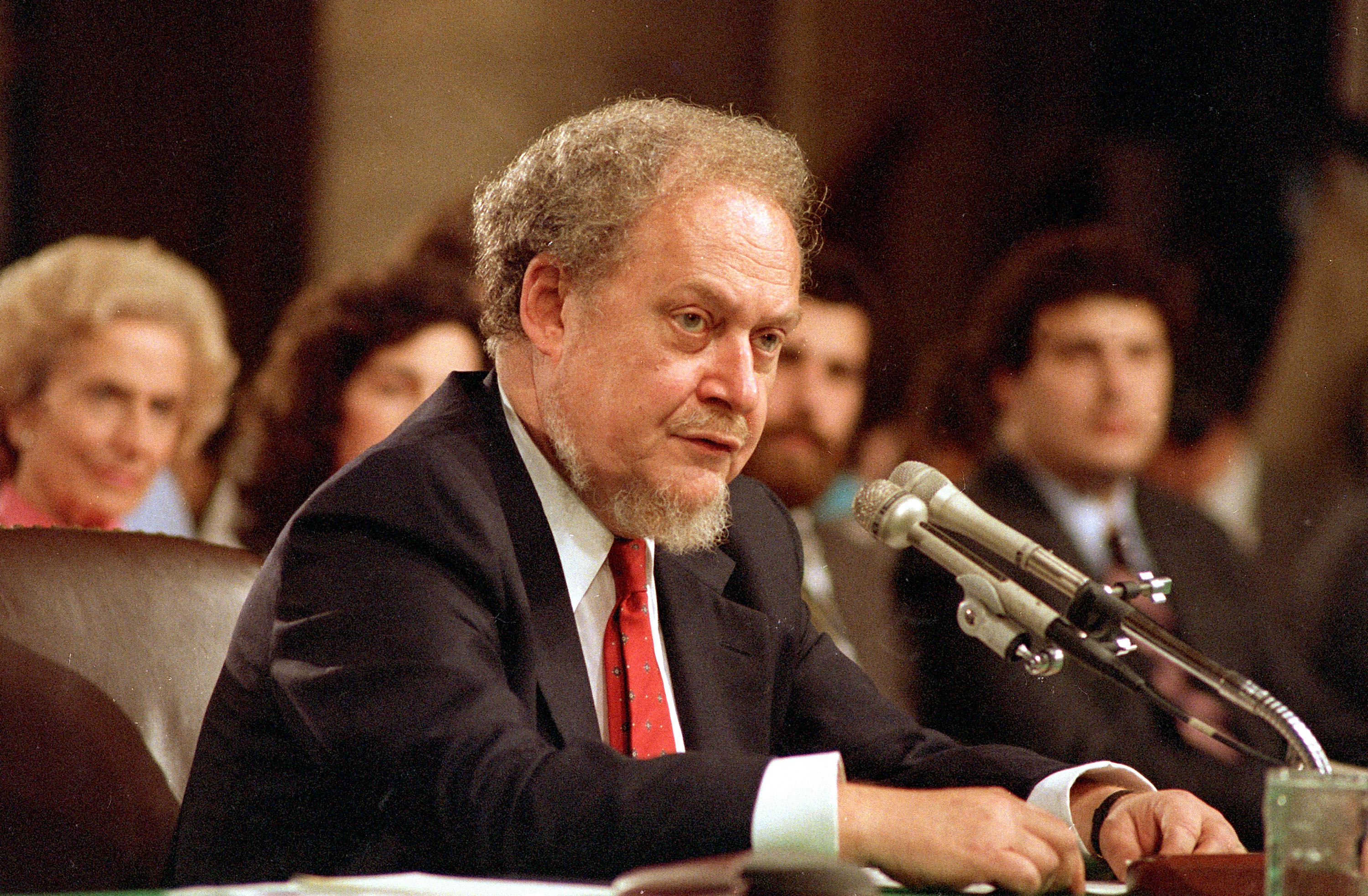
那一年是1987年,也是一位名叫罗伯特·H·博克的潜在最高法院大法官的时代。
The year was 1987, and it was also the era of a would-be Supreme Court justice named Robert H. Bork.
《华盛顿城市报》曾基于博克146部租借影片的名单发表一篇文章,这是一次刻薄的尝试,试图窥探这位保守法官的心理。(剧透警告:博克是詹姆斯·邦德和阿尔弗雷德·希区柯克电影的忠实粉丝。)这篇文章并未导致博克提名进入最高法院的失败。但国会议员们对这一披露深感担忧,于是一年后,他们通过了《视频隐私保护法案》,即VPPA。该法案禁止录像店透露客户租借了哪些录像带。
The Washington City Paper had published a story based on a list of 146 of Bork’s video rentals, a snarky attempt to peer inside the conservative judge’s psyche. (Spoiler alert: Bork was a big fan of James Bond and Alfred Hitchcock movies.) The story was not among the factors that derailed Bork’s nomination to the high court. But members of Congress were so concerned about the disclosure that, year later, they passed the Video Privacy Protection Act, or VPPA. The measure prohibited video stores from disclosing what tapes their customers rented.
虽然录像带及其销售者如今已成为过去时代的遗物,但VPPA仍然存在。如今,这部法律成为一起涉及全球最大媒体集团之一的最高法院案件的焦点——以及一名名叫迈克尔·萨拉扎尔的人,他称该公司在将他的观影历史提供给……时违反了VPPA。出于这些原因,萨拉扎尔,一名加利福尼亚州居民,主张派拉蒙环球应向他以及类似情况的其他人支付2500美元的损害赔偿,以补偿其隐私被所谓侵犯的损失。但专家表示,此案的意义远不止于这笔相对较小的赔偿金。
While video cassettes and their purveyors have become relics of that bygone era, the VPPA lives on. The law is now the focus of a Supreme Court case involving one of the world’s largest media conglomerates — and a man named Michael Salazar, who says the company violated the VPPA when it gave his video watching history to For those reasons, Salazar, a California resident, argues that Paramount Global should pay him — and others like him — $2,500 in damages for the alleged invasion of his privacy. But experts say the case is about more than that relatively small sum.
近年来,最高法院一直在努力应对互联网时代及其他快速发展的技术中个人隐私的问题。
In recent years, the Supreme Court has grappled with questions of personal privacy in the age of the internet and other rapidly evolving technology.
今年夏天,法院裁定,执法人员在寻求谷歌和其他公司收集的位置数据之前,通常必须先获得搜查令。法官们在2018年一起涉及基站数据的案件中作出了类似的裁决,理由是宪法中历来针对“不合理搜查和扣押”的保护也适用于21世纪的技术。
This summer, the court held that law enforcement officers must generally obtain a warrant before seeking location data collected by Google and other companies. The justices made a similar finding in a 2018 case involving cell site data, reasoning that the Constitution’s age-old protections against “unreasonable searches and seizures” applied to the 21st century technology.
1988 年通过的《录像带隐私保护法》同样没有预见到互联网在日常生活中会变得如此普及,以及随之而来的隐私问题。
The VPPA, passed in 1988, similarly did not contemplate how pervasive the internet would become in everyday life and the privacy concerns that have followed.
然而,越来越多的原告和隐私倡导者表示,该法律适用于在线观看视频的行为,他们援引该法律起诉媒体公司,理由是这些公司将他们的观看历史透露给科技公司,用于定向广告。
Yet a growing number of plaintiffs and privacy advocates say that the law applies to watching videos online, and they have cited the law to sue media companies over disclosing their viewing histories to tech companies for targeted advertising efforts.
一些隐私倡导者和学者认为,这是该法律的合理适用,尤其是考虑到联邦层面保护网民免受广泛数据收集的法律极其稀少。
Some privacy advocates and scholars say that is a valid use of the law, especially since there are so few federal statutes to protect web users against widespread data collection.
“此类诉讼……反映出更大的政策失误:国会尚未制定全面的联邦消费者隐私保护法,”马萨诸塞大学阿默斯特分校公共利益技术倡议项目主任卡罗琳·罗西尼在一封电子邮件中表示。“人们只能转向他们手头较窄的法律,留给法院来判断这些法律如何适用于当今的追踪行为。”她补充道:“在我看来,对萨拉扎尔的案件适用《录像带隐私保护法》有很强的法律依据。”
“This litigation ... reflects a larger policy failure: Congress has not enacted comprehensive federal consumer privacy protections,” Carolina Rossini, director of the Public Interest Technology Initiative at the University of Massachusetts at Amherst, said in an email. “People are turning to the narrower laws available to them, leaving courts to determine how those laws apply to today’s tracking practices.”“In my view, there is a strong legal argument for applying the VPPA” in Salazar’s case, Rossini added.
派拉蒙的律师以及众多商业团体则反驳称,类似萨拉扎尔的诉讼具有掠夺性,并且对录像带法律的解释超出了任何常识性的范围。(该案件早于派拉蒙最近收购华纳兄弟探索公司之前。)总部位于加州的元宇宙律师事务所律师莉莉·李表示,她代表一些因在其网站上嵌入视频而根据《录像带隐私保护法》收到诉讼威胁的小企业——“即使这并不是他们的核心业务或他们所做的事情”,她说。“如果法院支持萨拉扎尔,这将打开诉讼的闸门,”李补充道。
Paramount’s attorneys, along with an array of business groups, counter that lawsuits like Salazar’s are predatory and stretch the videotape law beyond any commonsense reading. (The case predates Paramount’s recent takeover of Warner Bros. Discovery.) Lily Li, an attorney at the California-based Metaverse law firm, said she represents small businesses who receive lawsuit threats under the VPPA because they feature videos on their websites — “even if that isn’t the core competency like or what they do,” she said. “If the court rules for Salazar, it does open the floodgates of litigation,” Li added.
结果将取决于萨拉扎尔是否根据法律定义被视为“消费者”的法律问题:即“从录像带服务提供商处获取商品或服务的人”。萨拉扎尔表示他符合这一定义,因此应被允许依据该法律起诉派拉蒙。他订阅了派拉蒙旗下体育新闻网站247sports.com提供的免费新闻通讯,从而获得了观看其视频的权限。
The outcome will turn on the legal question of whether Salazar is considered a “consumer” under the law’s definition: a “r of goods or services from a video tape service provider.”Salazar says he is, and should therefore be allowed to sue Paramount under the law. Hed to a free newsletter provided by 247sports.com, a sports news website owned by Paramount, which gave him access to its videos.
萨拉扎尔指控称,该网站通过Meta Pixel追踪了他的视频观看习惯,并将数据发送给Facebook,以供该公司的定向广告系统使用。他主张,这使他根据法律定义成为“消费者”,因为他从派拉蒙(录像带服务提供商)处获取了商品和服务(新闻通讯)。
The website tracked Salazar’s video watching habits with Meta Pixel, which sent the data to Facebook to feed the company’s targeted advertising system, Salazar alleges. That, he argued, made him a “consumer” by the law’s definition, because hed to goods and services (a newsletter) from Paramount (a video tape service provider).
派拉蒙则反驳称,萨拉扎尔仅仅因为订阅了免费新闻通讯,随后又在247sports.com上观看视频,就不应被视为“消费者”。公司表示,如果萨拉扎尔从派拉蒙购买了一件非视频产品(如头巾),随后因公司披露了他与该产品无关的视频观看习惯而提起诉讼,同样的逻辑也应成立。
Paramount counters that Salazar should not be considered a “consumer” just because he signed up for a free newsletter and then, separately, watched videos on 247sports.com. The company said the same would be true if Salazar bought an non-video product like a bandanna from Paramount, and then sued because the company disclosed his viewing habits of footage unrelated to the bandanna.
派拉蒙在提交给法院的文件中写道:“因此,该法案并未为所有购买非视频材料或仅仅观看免费视频的人创造隐私权。”
“The statute thus does not create privacy rights for everyone who purchases non-video materials or merely views free videos,” Paramount wrote in a brief to the court.