Colossal Biosciences 周三宣布推出一个新的人工智能平台,以帮助加速其复活灭绝物种的努力,TechCrunch 独家报道。
Colossal Biosciences announced Wednesday a new AI platform to help accelerate its efforts to bring back extinct species, TechCrunch can exclusively report.
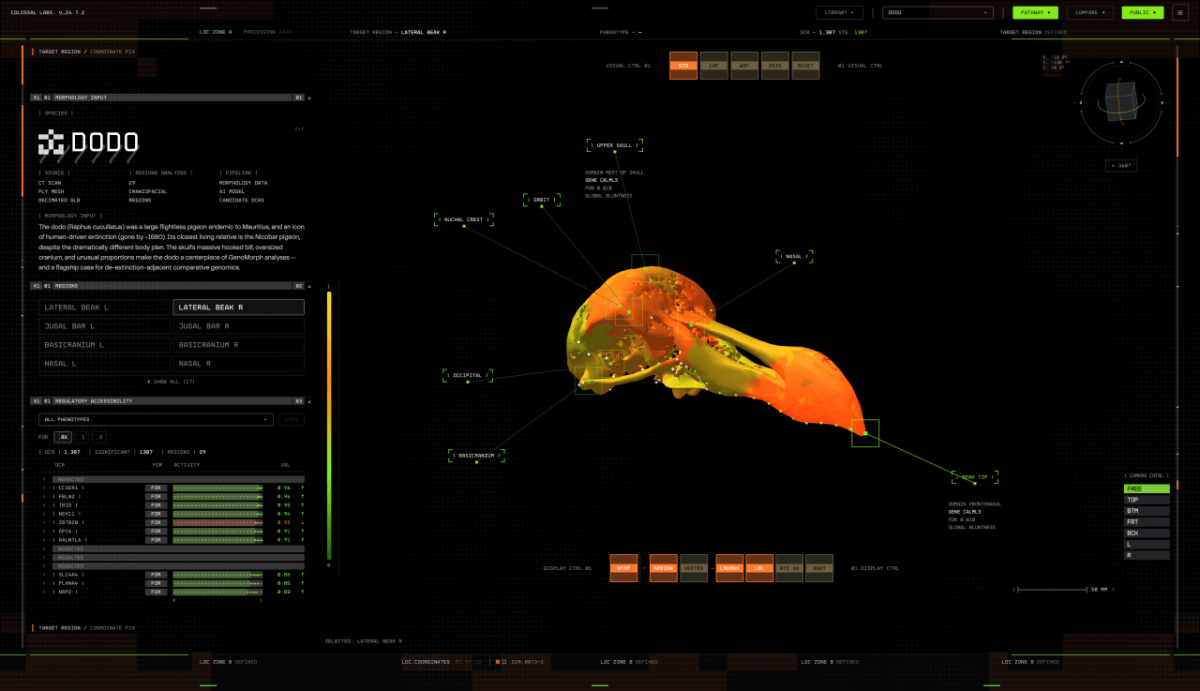
该平台名为 GenoMorph,利用先进的三维形态学、比较基因组学和发育生物学来识别在基因数据有限的灭绝物种复活项目中可能被编辑的基因。Colossal 正将其用于其复活渡渡鸟的努力中,因为可用于研究的渡渡鸟基因组有限。
The platform, called GenoMorph, uses advanced 3D morphology, comparative genomics, and developmental biology to identify genes that could be edited in de-extinction projects with limited gene data. The is using it as part of its effort to bring back the dodo bird, for which there are limited genomes to work with.
例如,该公司目前仅拥有一个渡渡鸟基因组,而其猛犸象复活项目已获得约 100 个基因组。公司表示,猛犸象的 DNA 更为丰富,因为该动物生活的寒冷气候比渡渡鸟生活的热带地区更有利于 DNA 的保存。
For example, the company is working with only one Dodo genome compared to the 100 genomes it has been able to obtain as part of its woolly mammoth de-extinction project. DNA from the woolly mammoth is more plentiful because the colder climates the animal lived in preserve the DNA better than the tropics where the dodo lived, the company said.
“通常情况下,科学家可以通过比较许多基因组来了解哪些基因差异导致了某些性状,”Colossal 首席执行官兼联合创始人 Ben Lamm 对 TechCrunch 表示。“但对于古老物种的 DNA,尤其是那些 DNA 严重有限的灭绝物种,我们没有这种奢侈,只能获得少量完整的基因组。”Lamm 表示,为了构建 GenoMorph,公司收集了来自“鸡、鹌鹑、鸭子和鸽子”的大量发育数据,并将其与“超过 70 种鸟类的遗传信息和三维头骨测量数据”相结合。
“Normally, scientists can compare many genomes to understand which genetic differences are responsible for certain traits,” Colossal CEO and co-founder Ben Lamm told TechCrunch. “We don’t have that luxury with ancient DNA from extinct species whose DNA is severely limited, and we can only get a small number of complete genomes.”To build GenoMorph, Lamm said the company collected a bunch of developmental data from “chickens, quail, ducks, and pigeons,” and combined it with the “genetic information and 3D skull measurements from more than 70 bird species.”
他表示,构建这个平台花费了一年多的时间,也建立在公司多年复原灭绝物种工作的基础上。
He said it took more than a year of work to build this platform, which also builds on the company’s years of work in de-extinction.
“AI 可以学习哪些 DNA 区域在不同鸟类发育喙和面部结构时是活跃的,并利用这些信息来预测哪些遗传开关可能赋予了渡渡鸟其标志性外观。”他表示,可以将该平台视为“渡渡鸟基因组的宝藏图”,在这种图中,GenoMorph 不需要在众多潜在的基因差异中搜索,而是能帮助 Colossal 团队只找出真正重要的基因差异。
“The AI learns which regions of DNA are active as different birds develop their beaks and facial structures, and uses that information to predict which genetic switches may have given the dodo its iconic appearance.”He said to think of the platform as a “treasure map for the dodo genome,” where, rather than searching through a bunch of potential genetic differences, GenoMorph can help the Colossal team find only the genetic differences that matter.
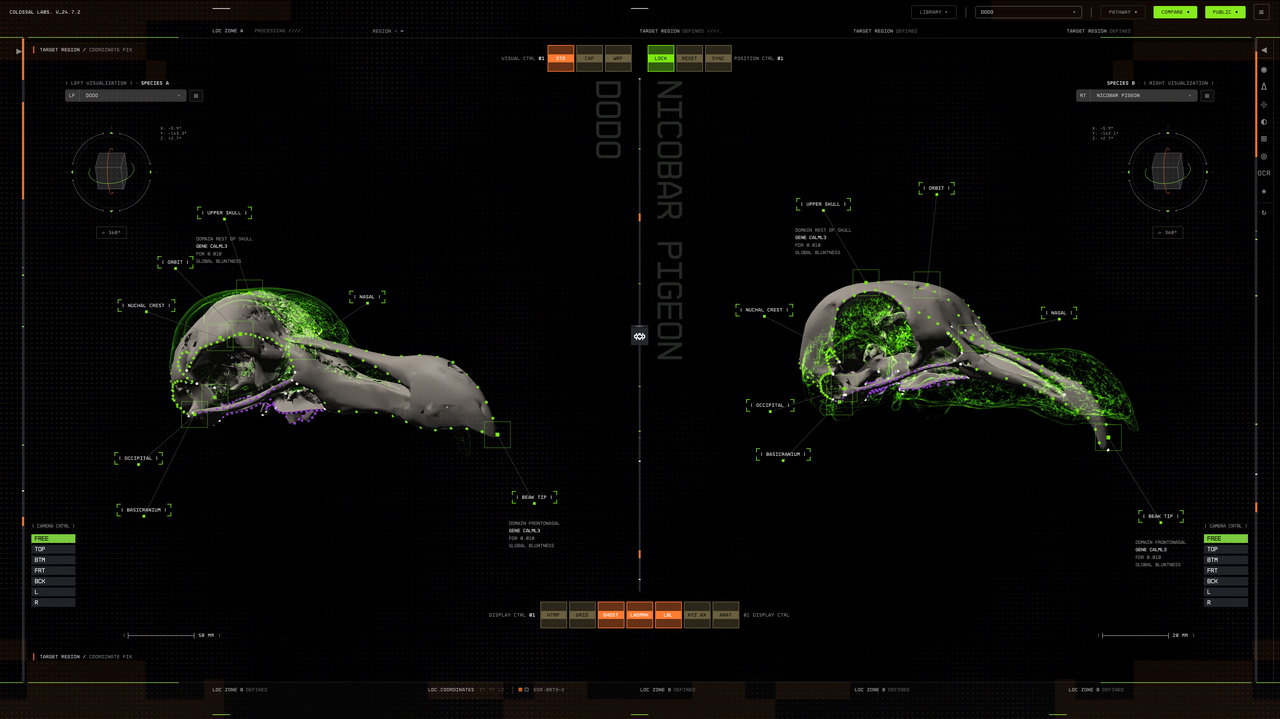
到目前为止,我们已经鉴定出大约2300个有前景的DNA编辑靶点,这些靶点与渡渡鸟的头面部形态有关,现在我们可以在实验室中进行测试,”他继续说道。他说,GenoMorph将帮助公司解决在尝试使动物复活时面临的最大瓶颈之一——找出哪些基因变化实际上使一个灭绝物种具有独特性。但Lamm表示,科学家们还需要测试这些编辑是否能够产生所需的物理特征。
“So far we’ve identified approximately 2,300 promising DNA editing targets for the dodo cranial facial morphology that we can now test in the lab,” he continued. He said GenoMorph will help the company tackle one of its biggest bottlenecks in trying to de-extinct animals — finding out which changes actually make an extinct species unique. But Lamm said scientists also need to test whether those edits can create the physical traits they need.
“我们开发了一种新系统,利用脂质纳米颗粒将基因编辑工具直接递送到正在发育的鸟类胚胎中,”他说。这将有助于团队观察某些基因变化如何影响鸟类的发育,“而无需等待整个繁殖周期,即鸟类达到性成熟。”公司还宣布,其尼科巴鸽群落目前有36只鸟,并且已经成功创造出能够发育成卵子和精子的基本细胞。
“We’ve developed a new system that uses lipid nanoparticles to deliver gene-editing tools directly into developing bird embryos,” he said. This will help the team see how certain genetic changes impact the development of a bird “without having to wait through an entire breeding cycle that requires birds to reach sexual maturity.”The company also announced Wednesday that its Nicobar pigeon colony now has 36 birds and that it has successfully created the essential cells that become eggs and sperm.
“由于尼科巴鸽是渡渡鸟最近的现存亲属,这些细胞是我们策略中至关重要的一部分,用于创造携带渡渡鸟特征的鸟类,”他说。接下来,公司希望能够在实验室中证明GenoMorph的预测。“最令人兴奋的是,我们正处于一个阶段,我们一直在开发的不同技术开始汇聚在一起,并有助于我们在生命树完全不同部分进行的其他项目,”Lamm继续说道。
“Because the Nicobar pigeon is the dodo’s closest living relative, those cells are a critical part of our strategy for creating birds that carry dodo traits,” he said. Next, the company is hoping to prove what GenoMorph predicts in a lab. “What’s most exciting is that we’re reaching a point where the different technologies we’ve been developing are starting to converge together and help other projects we are working on in a completely different part of the tree of life,” Lamm continued.
当被问及这种基因编辑方式是否安全时,Lamm表示,开发像GenoMorph这样的技术的目的在于使基因工程“更精确、受控且可测试”。他说,该产品本身不会编辑基因,而是帮助他们的团队识别哪些基因变化值得进一步研究。
When asked whether it was safe to edit genes this way, Lamm said the point of developing a technology like GenoMorph is to make genetic engineering “more precise, controlled, and testable.”He said the product doesn’t edit genes itself, but helps their team identify which genetic changes are worth investigating.
“识别出潜在的编辑并不意味着我们会立即将其引入动物或假设它是安全的,”他继续说道。“我们越能精准地识别和验证这些变化,在整个过程中我们的决策就会越明智。”与此同时,Colossal Biosciences的最新技术已经获得了XPRIZE创始人彼得·迪亚曼迪斯的信任投票。迪亚曼迪斯是Colossal的投资者,他在周三宣布,他已成立一家新的风险投资公司NeoGenesis Capital,以支持使用Colossal Biosciences可编程生物学平台的公司,涉及健康、农业和保护领域。
“Identifying a potential edit doesn’t mean we immediately introduce it into an animal or assume it’s safe,” he continued. “The more precisely we can identify and validate these changes, the more informed our decisions become throughout the process.”Meanwhile, Colossal Biosciences’ latest technology has already obtained a vote of confidence from XPRIZE founder Peter Diamandis. Diamandis, who is an investor in Colossal, announced on Wednesday that he has founded a new VC firm, NeoGenesis Capital, to back companies using Colossal Biosciences’ programmable biology platform across health, agriculture and conservation.