日本最大的银行正在试探性地重新进入该国的基准国债市场,尽管它仍然担心,由于财政和货币政策的影响,收益率可能会进一步飙升。
Japan’s biggest bank is tentatively getting back into the country’s benchmark government bonds, even as it remains concerned that yields could further spike due to fiscal and monetary policies in the nation.
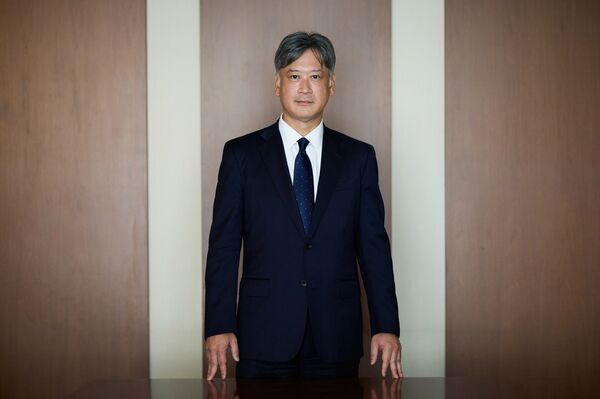
“我们计划在未来逐步重建持仓,同时仔细评估利率水平,”三菱UFJ银行有限公司全球市场业务首席执行官山下敦史表示。山下预计,日本10年期国债收益率将达到约3.2%的峰值,略高于本月早些时候创下的30年高点3.115%。
“We plan to rebuild our position gradually going forward while carefully assessing interest-rate levels,” said Atsushi Yamashita, chief executive of MUFG Bank Ltd.’s global markets business. Yamashita expects Japan’s 10-year government bond yields to peak at about 3.2%, just above the three-decade high of 3.115% reached earlier this month.
但山下仍然警惕,如果日本央行难以控制通胀,或者首相高市早苗无法说服投资者她能够掌控政府财政,收益率可能会进一步攀升。“我们目前还不认为进一步上行的收益率风险已经完全消除,”他在自担任三菱UFJ金融集团公司核心业务单元负责人以来的首次接受采访时表示。
But Yamashita remains wary that yields could climb higher if the Bank of Japan struggles to contain inflation or Prime Minister Sanae Takaichi fails to convince investors that she can maintain a grip on government finances. “We don’t yet think risks of a further yield rise have been completely eliminated,” he said in his first interview since taking the role at the core unit of Mitsubishi UFJ Financial Group Inc.
全球投资者正面临主要经济体收益率激增的挑战,财政可持续性问题正变得更加紧迫,与此同时,长期中东冲突推动的物价上涨也在加剧。三菱UFJ及其日本竞争对手银行正受到密切关注,以观察它们对国家国债的谨慎态度是否出现转变的迹象——这些国债的价值正随着利率上升而稳步下降。
Global investors are grappling with a surge in yields in major economies, where questions over fiscal sustainability are gaining more urgency along with rising prices fueled by the prolonged Middle East conflict. MUFG and rival Japanese banks are being watched closely for signs of a shift in their cautious stance toward the nation’s bonds, whose value has been falling steadily as interest rates rise.
山下于四月就任该职位,负责管理该贷款机构的证券投资。截至六月,三菱UFJ的银行业务和信托银行业务合计持有超过85万亿日元(5370亿美元)的投资组合。
Yamashita, who took the position in April, is responsible for managing the lender’s securities investments. MUFG’s banking and trust bank units had a combined portfolio of more than ¥85 trillion ($537 billion) as of June.
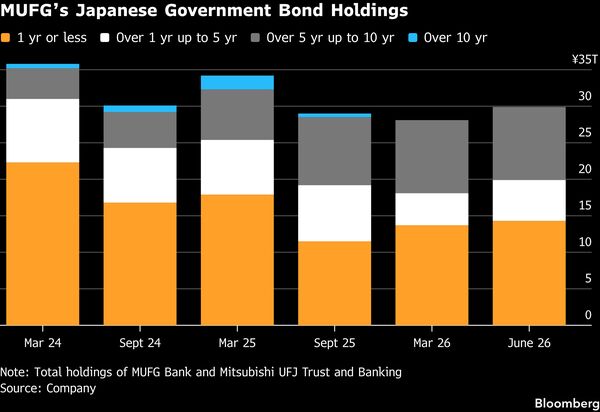
近年来,三菱UFJ一直在减持长期日本国债,以降低对利率上升的敞口。截至六月,其持有的日本国债平均期限已从去年9月的3.1年降至1.2年。
MUFG has been trimming its holdings of longer-term Japanese government bonds in recent years, reducing its exposure to rising interest rates. The average duration of its JGB holdings fell to 1.2 years as of June, from 3.1 as of September last year.
山下表示,该银行已经开始以约3.1%的收益率“试探性购买”10年期日本国债。虽然他预计国债收益率的最高水平将在3.2%,但他也指出收益率有可能升至3%的中高水平,这一趋势可能受到日本央行和政府政策的影响。
Yamashita said the bank started “exploratory purchases” of 10-year JGBs at around 3.1%. While his base case is for yields to peak at 3.2%, he said there’s a risk that they climb to the mid-to-high 3% range, potentially driven by the policy paths of the central bank and the government.
市场正在关注高市(Takaichi)在推行其雄心勃勃的经济增长计划时是否能够保持财政纪律。在日本这个发达国家中债务与国内生产总值比率最高的国家,人们对于政府将如何为各项支出提供资金,以及年底公布的预算提案中是否会对食品类商品实施临时减税措施,仍存在疑问。
Markets are watching whether Takaichi maintains fiscal discipline as she carries out her ambitious economic growth agenda. In a country with the highest ratio of debt to gross domestic product in the developed world, questions remain over how the government will finance outlays and a temporary tax cut on food items in budget proposals to be unveiled toward the end of the year.
“从维护市场信心的角度来看,制定财政政策时不应过分依赖乐观的增长预期,”山下说。虽然他承认由于通货膨胀导致税收增加,日本的财政状况正在改善,但他指出:“市场不仅关注当前的情况,也在关注未来的发展趋势。”日本央行的货币政策也存在风险——不断上涨的能源成本和疲软的日元正在推高通货膨胀率。
“It is important from the standpoint of maintaining market confidence to conduct fiscal policy without relying too heavily on optimistic growth scenarios,” Yamashita said. While acknowledging that the country’s finances are improving thanks to an inflation-driven increase in tax revenue, he said “markets are looking not only at the current situation, but also at what lies ahead.”The Bank of Japan’s policy outlook also carries risks, as soaring energy costs and a weak yen spur inflation.
“市场最担心的是:加息的步伐无法跟上通货膨胀的压力,导致日本央行落后于市场的发展趋势,”山下说道。
“The market is most concerned about a scenario in which the pace of rate hikes fails to keep up with inflationary pressures, leaving the Bank of Japan behind the curve,” said Yamashita.
他预计日本央行下一次加息将在12月进行,之后大约每三个月会再次加息一次。他预计最终利率将从目前的1.25%升至2%左右,但具体利率水平还需视通货膨胀情况而定。
He said the BOJ’s next rate hike is likely to come in December, followed by more in roughly three-month intervals. While he expects the terminal rate to reach around 2% from 1.25% now, it may go higher depending on inflation prospects.
尽管三菱UFJ金融集团(MUFG)正在逐步增加其持有的日元债券数量,山下排除了将海外资产回流国内用于投资的可能性(即所谓的“资本回流”策略)。
Even as MUFG gradually builds up its yen bond holdings, Yamashita ruled out repatriation, which involves selling assets overseas to invest more at home.
“如果考虑到加息周期的最终走向等因素,当国债收益率变得足够有吸引力时,我们也有机会增加对外国债券的投资,”他说。
“If yields become sufficiently attractive in light of factors such as where the rate-hiking cycle ultimately peaks, there would be scope to increase our foreign-bond investments as well,” he said.
山下表示,三菱日联金融集团对欧洲主权债券的敞口有限,包括法国债务。目前欧洲债券市场的波动可能仍将保持在较高水平,但该地区不太可能陷入类似15年前席卷其境内的债务危机的局面,他说。
MUFG has little exposure to European sovereign bonds, including French debt, Yamashita said. Volatility in European bond markets is likely to remain elevated for now, but the bloc is unlikely to spiral toward a situation similar to the debt crisis that engulfed it around 15 years ago, he said.
“当前的担忧主要集中在特定国家的财政和政治形势上,尚未蔓延至对该地区金融体系稳定性的更广泛担忧,”他说。
“The current concerns are centered on the fiscal and political situations of specific countries and haven’t spread into broader concerns about the stability of the region’s financial system,” he said.
不过,山下表示,法国引发债券市场动荡的财政和政治挑战对日本而言具有警示意义。
Still, Yamashita said France’s fiscal and political challenges that have fueled a bond market rout offer a lesson for Japan.
“在利率上升推高债务服务成本的情况下,如何控制财政赤字应成为日本的警示例子,”他说。“日本未来很可能面临同样的问题。”
“How to contain the fiscal deficit while debt-servicing costs are being pushed up by rising rates should serve as cautionary example for Japan,” he said. “It’s likely to face the same problem in the future.”