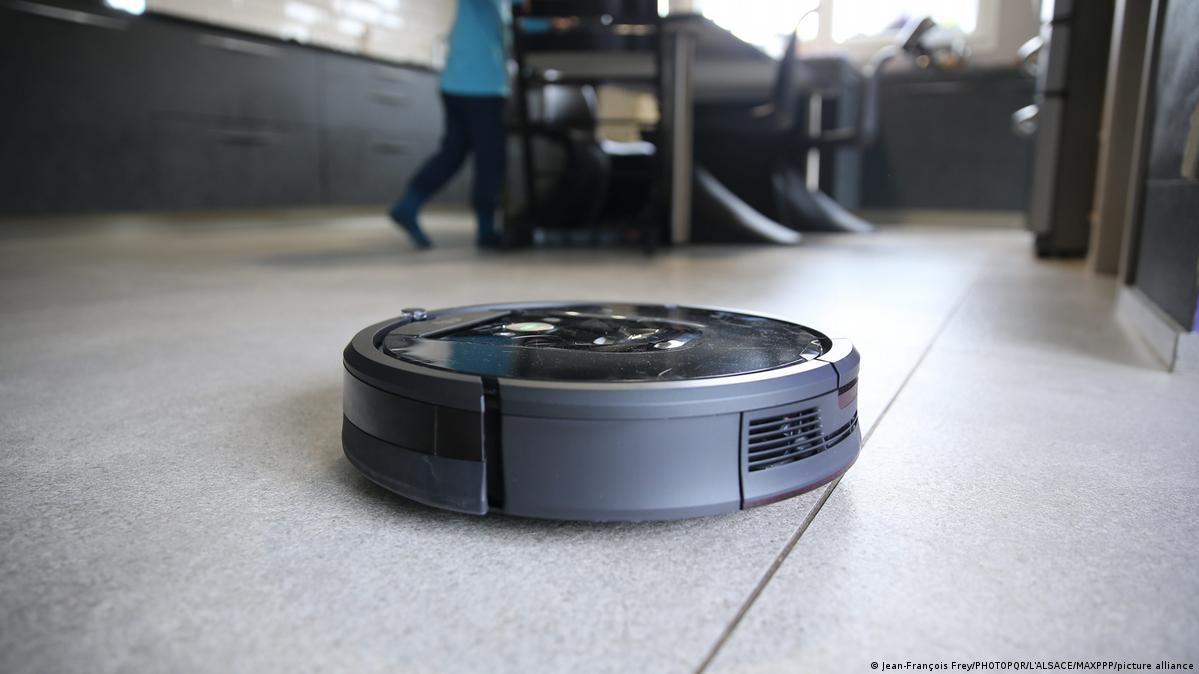
在客厅里,扫地机器人来回移动,灯光通过语音助手调暗,供暖通过智能手机控制,电视连接互联网以访问喜欢的流媒体服务。这些都是“物联网”的例子,其中连接的电子设备相互交换数据并进行通信。
In the living room, a robot vacuum cleaner moves back and forth, the lights are dimmed by voice assistants, the heating is controlled via smartphone and the TV connects to the internet to access a favorite streaming service. These are all examples of the "Internet of Things," in which connected electronic devices exchange data and communicate with one another.
根据行业协会Bitkom最近的市场研究,德国大约一半的家庭使用此类或类似的“智能家居”应用 — — 而且这一数字还在上升。
According to recent market research by industry association Bitkom about half of all households in Germany use such or similar "smart home" applications — and the figure is rising.
人工智能公司Anthropic发布了一份报告,警告称由人工智能驱动的恶意软件可能很快渗透到联网的家用设备中,复制自身到其他设备并在其中变得活跃。
the artificial intelligence company Anthropic published a report warning that AI-powered malware could soon infiltrate connected household devices, copy itself to other devices and become active there.
能够从一台机器复制到另一台机器的计算机病毒已经存在了几十年。它们也被称为蠕虫,并遵循预定义的指令序列。它们利用已知的安全漏洞或保护不力的访问点。然而,一旦漏洞被修补或合适的攻击途径不再可用,蠕虫就不再能够轻易传播。
Computer viruses that copy themselves from one machine to another have existed for decades. They are also known as worms and follow a predefined sequence of instructions. They exploit known security vulnerabilities or poorly protected access points. However, once the vulnerabilities are patched up or suitable attack vectors are no longer available, a worm can no longer spread so easily.
然而,人工智能蠕虫则要复杂得多,并且可能造成更大的危害。它们可以自主解决问题并适应不同的设备,例如通过应对不同的操作系统或有限的内存。它们还可能自己弄清楚如何在其他设备上运行,或识别并规避新的安全更新。人工智能最大的风险是什么:速度还是自主性?
AI worms, however, would be far more complex and potentially much more harmful. They could solve problems autonomously and adapt to different devices, for example by coping with a different operating system or limited memory. They might also figure out for themselves how to operate on other devices or identify and circumvent new security updates What is AI's biggest risk: Speed or autonomy?
为了观看此视频,以及通过电视传播,Anthropic的研究人员调查了模型是否也能在相对廉价的硬件上运行。在一个实验中,他们将一个人工智能模型分布在15个低成本的Android电视盒子上,每个设备处理部分计算。这表明某些人工智能应用可以在没有大型数据中心的情况下运行。
To view this video, and Spreading via TVs Anthropic researchers investigated whether models could also run on relatively inexpensive hardware. In an experiment, they distributed an AI model across 15 low-cost Android TV boxes, with each device handling part of the computation. This demonstrated that certain AI applications can run without a large data center.
在受控的测试环境中,研究人员设置了八台额外的模拟Android设备。AI模型能够渗透其中一台设备,自我复制并感染其他设备。在五次尝试中,有四次它成功到达了所有八台目标设备。在剩余的一次尝试中,它到达了八台设备中的七台。
In a controlled test environment, the researchers set up eight additional simulated Android devices. The AI model was able to infiltrate one of them, replicate itself and infect other devices. In four out of five attempts, it reached all eight target devices. In the remaining attempt, it reached seven of the eight.
如果配备恶意软件,这样的AI模型可能能够相对快速地适应先前未知的环境,并干扰流程和操作。它可能学会规避各种安全措施,而不仅仅是利用单一漏洞。根据Anthropic的开发者所述,这种“AI蠕虫”可能需要大约一到两天的时间在一台全新的、先前未知的设备上立足。家用设备的僵尸网络?
If equipped with malware, such an AI model could potentially adapt relatively quickly to previously unknown environments and disrupt processes and operations. It could learn to circumvent various security measures rather than simply exploiting a single vulnerability. According to Anthropic's developers, this sort of "AI worm" could take roughly one to two days to establish itself on a new, previously unknown device. A botnet of household devices?
一个特别令人担忧的可能性是,AI可能会将被感染的设备联结成一个大型僵尸网络。单个被感染的设备计算能力有限,但被感染的设备越多,AI蠕虫传播的速度就越快。恶意软件将不再依赖于可以简单关闭的中央服务器。
One particularly worrying possibility is that AI could link the infected devices into a large botnet. A single infected device has limited computing power, but the more devices are compromised, the faster the AI worm could spread. The malware would no longer depend on a central server that could simply be shut down.
它还可能在传播过程中持续学习。可以设想它可能跳转到完全不同类型的电子设备上,而这些设备都运行着不同的软件。
It might also continuously learn as it spreads. It is conceivable that it could jump to entirely different types of electronic devices, all running different software.
被感染的设备可以与网络断开连接,并且安全漏洞仍然可以被修补。然而,恶意软件的去中心化结构将使其难以被遏制。Anthropic自身将这种潜在的发展比作一种数字粘菌,缓慢地蔓延。
Infected devices could be disconnected from the network and security vulnerabilities could still be patched. The malware's decentralized structure, however, would make it difficult to contain. Anthropic itself compares this potential development to a digital slime mold slowly spreading.
Anthropic的研究人员故意将测试设备的访问权限设置得非常容易,并省略了主要的数字防护措施。即便如此,该公司认为,更小的AI模型可能在今年晚些时候达到必要的能力水平,从而在真实世界中传播。过热的冷却系统网络攻击对联网控制系统的潜在后果已经在法国的一起事件中显现。周一凌晨,攻击者篡改了众多超市的制冷和冷冻系统。受影响单元的温度升至高达50摄氏度。食物变质,部分事件还伴随火灾和技术损坏。
Researchers at Anthropic deliberately made access to the test devices very easy and left out major digital safeguards. Even so, the company believes smaller AI models could reach the necessary level of capability later this year to spread in the real world. Overheating cooling systems The potential consequences of cyberattacks on connected control systems has already been seen in an incident in France Overnight into Monday, attackers tampered with refrigeration and freezer systems at numerous supermarkets. Temperatures in the affected units rose to as high as 50 degrees Celsius. Food spoiled, and some incidents also involved fires and technical damage.
法国网络安全机构CERT-FR最初确认,丹麦制造商丹佛斯(Danfoss)生产的远程控制系统已被入侵。随后警告范围扩大至其他制造商的系统。对攻击情况的调查仍在进行中。
France's cybersecurity agency, CERT-FR initially confirmed that remote-control systems made by Danish manufacturer Danfoss had been compromised. The warning was later extended to systems made by other manufacturers. Investigations into the circumstances of the attack are ongoing.

现代超市使用数字控制器来监测和调节制冷系统。维修公司可以远程访问这些系统,例如检查温度。然而,据报道部分安全软件已过时,攻击者可能利用这一点作为网络攻击的入口。网络攻击的新维度?
Modern supermarkets use digital controllers to monitor and regulate refrigeration systems. Maintenance companies can access these systems remotely, for example to check temperatures. However, some of the security software was reportedly outdated, which the attackers may have exploited as an entry point for their cyberattack. A new dimension in cyberattacks?
目前尚不清楚法国袭击事件的幕后黑手是谁,也不明确其动机。迄今为止,也没有证据表明在法国制冷系统的攻击中使用了自我复制的AI蠕虫。然而,Anthropic的最新研究表明,AI可能显著促进恶意软件的开发,从而在不需要大量算力的情况下,对联网设备发动具有严重后果的攻击。
It remains unclear who was behind the attacks in France and what motivated them. There is also no evidence so far that a self-replicating AI worm was used in the attacks on French refrigeration systems. However, Anthropic's latest research shows how significantly AI could facilitate the development of malware, potentially enabling attacks on connected devices with serious consequences and without requiring much computing power.
为防范进一步攻击,法国网络安全机构建议所有公司定期更新联网设备,安装必要的安全补丁,并在可能的情况下完全禁用不必要的互联网访问。AI会毁灭人类吗?
Fearing further attacks, France's cybersecurity agency advised all companies to update their connected devices regularly, install essential security patches and, where possible, to disable unnecessary internet access altogether. Will AI destroy humanity?