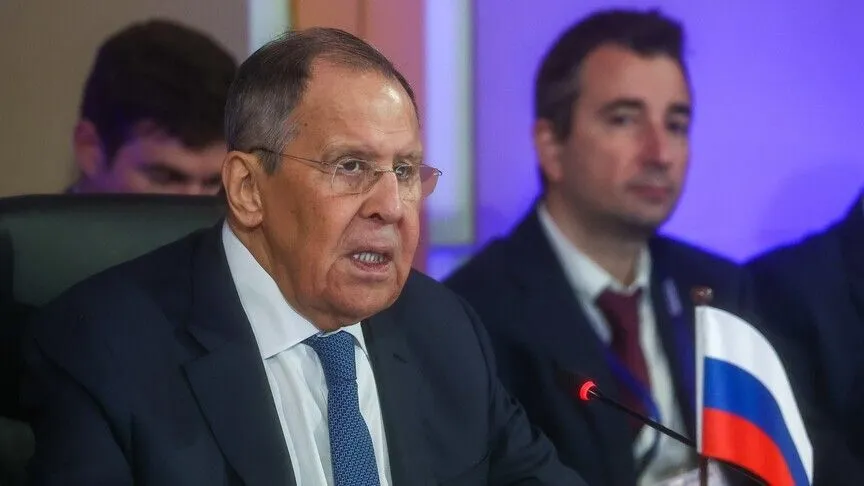
俄罗斯外长谢尔盖·拉夫罗夫周日表示,莫斯科支持海湾合作委员会(GCC)国家防止中东重新爆发全面战争的努力。
Russian Foreign Minister Sergey Lavrov said Sunday that Moscow supports Gulf Cooperation Council (GCC) countries’ efforts to prevent a return to full-scale war in the Middle East.
他在巴林举行的俄罗斯-海合会战略对话第九次部长级会议上提出了海湾地区集体安全的更新概念,并补充称,该提案的早期版本曾在数十年间与海合会成员国的政治、学术和专家界进行过讨论。
Speaking at the ninth ministerial meeting of the Russia-GCC Strategic Dialogue in Bahrain, Lavrov proposed an updated concept for collective security in the Gulf, adding that earlier versions of the proposal had been discussed with political, academic, and expert circles across GCC member states over several decades.
他强调,沿海国家应在决定如何确保该地区安全方面拥有决定性发言权,呼吁海湾国家与邻国(包括伊拉克和约旦)进行直接对话。
He stressed that littoral states should have the decisive say in determining how to ensure the region’s security, calling for direct dialogue among Gulf states and neighboring countries, including Iraq and Jordan.
“我们的概念正是为此而设,正如你们所知,我们建议让地区外的行为体参与创造这样的条件,包括阿拉伯国家联盟和伊斯兰合作组织的领导层,以及——如果你们感兴趣的话——联合国安理会常任理事国,以帮助推进这一进程,”他说。
“Our concept is aimed at this, and — as you are aware — we propose involving actors from outside the region in creating such conditions, including the leadership of the League of Arab States and the Organization of Islamic Cooperation, as well as — should you be interested — the permanent members of the UN Security Council, to help bolster this process,” he said.
拉夫罗夫表示,加强与海合会成员国的关系是莫斯科的外交政策优先事项,并引用了日益增长的经济合作和定期的高层接触。
Lavrov described strengthening ties with GCC member states as a foreign policy priority for Moscow, citing growing economic cooperation and regular high-level contacts.
他说,俄罗斯与海合会成员国之间的贸易额去年增长了45%,合作仍在2023-2028年联合行动计划框架下继续进行。
He said trade turnover between Russia and GCC member states increased by 45% last year, while cooperation continued under a joint action plan covering 2023-2028.
“我们的经济合作效果在很大程度上取决于该地区的稳定性,”他说。
“The effectiveness of our economic cooperation depends to a significant extent on the stability of the region,” he said.
拉夫罗夫还强调了战略对话在促进地区和国际问题讨论、扩大贸易、经济、文化和人道主义联系方面的作用。
Lavrov also highlighted the strategic dialogue’s role in facilitating discussions on regional and international issues and expanding trade, economic, cultural, and humanitarian ties.