近几周来,日本企业界遭遇的一系列网络攻击之所以令人担忧,并非因为出现了某种新颖的人工智能黑客手段,而是因为攻击规模之大。
A spate of cyberattacks that has rocked Japan Inc. in recent weeks is alarming not because of some novel artificial intelligence hacking methods, but the sheer scale.
执政党自由民主党网络安全机构负责人甚至将其形容为“网络空间的紧急状态”。
The head of the ruling Liberal Democratic Party’s cybersecurity body went so far as to describe it as a “state of emergency in cyberspace.”
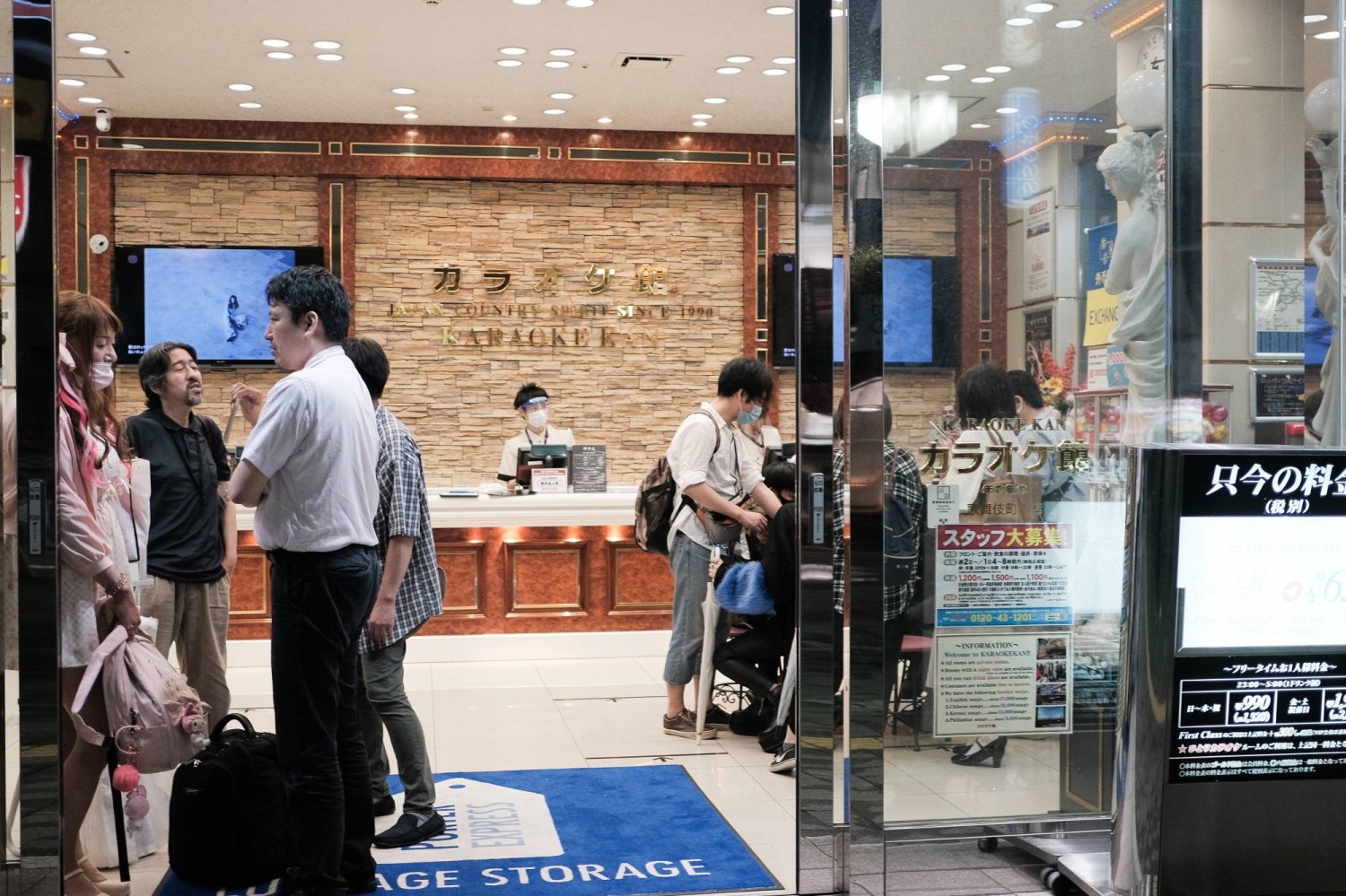
经纪公司大和证券集团、软银旗下云子公司IDC Frontier、铁路运营商JR East、便利店连锁Lawson、租车平台Times,甚至一家主要卡拉OK运营商和烤肉连锁餐厅均受到影响。这些事件接连不断,难以跟踪其全貌。
Brokerage firm Daiwa Securities Group, SoftBank’s cloud subsidiary IDC Frontier, railway operator JR East, convenience-store chain Lawson, car-rental platform Times and even a major karaoke operator and grilled meats restaurant chain have all been affected. It’s been hard to keep track of the barrage of incidents.
根据总部位于东京的网络安全公司趋势科技(Trend Micro)的数据,截至9月公开披露的安全漏洞事件(主要影响客户数据)已超过去年全年总数。
Publicly disclosed breaches, mostly impacting customer data, through September surpassed the total for all of last year, according to Tokyo-based cybersecurity firm Trend Micro.
而尽管根据微软本月发布的《数字防御报告》,全球勒索软件攻击在2025年7月至2026年6月期间下降了3%,但在日本却激增了67%。这很可能只是冰山一角。
And while ransomware attacks globally slid by 3% between July 2025 and June 2026, according to Microsoft’s Digital Defense Report published this month, they surged 67% in Japan. This is likely only the tip of the iceberg.