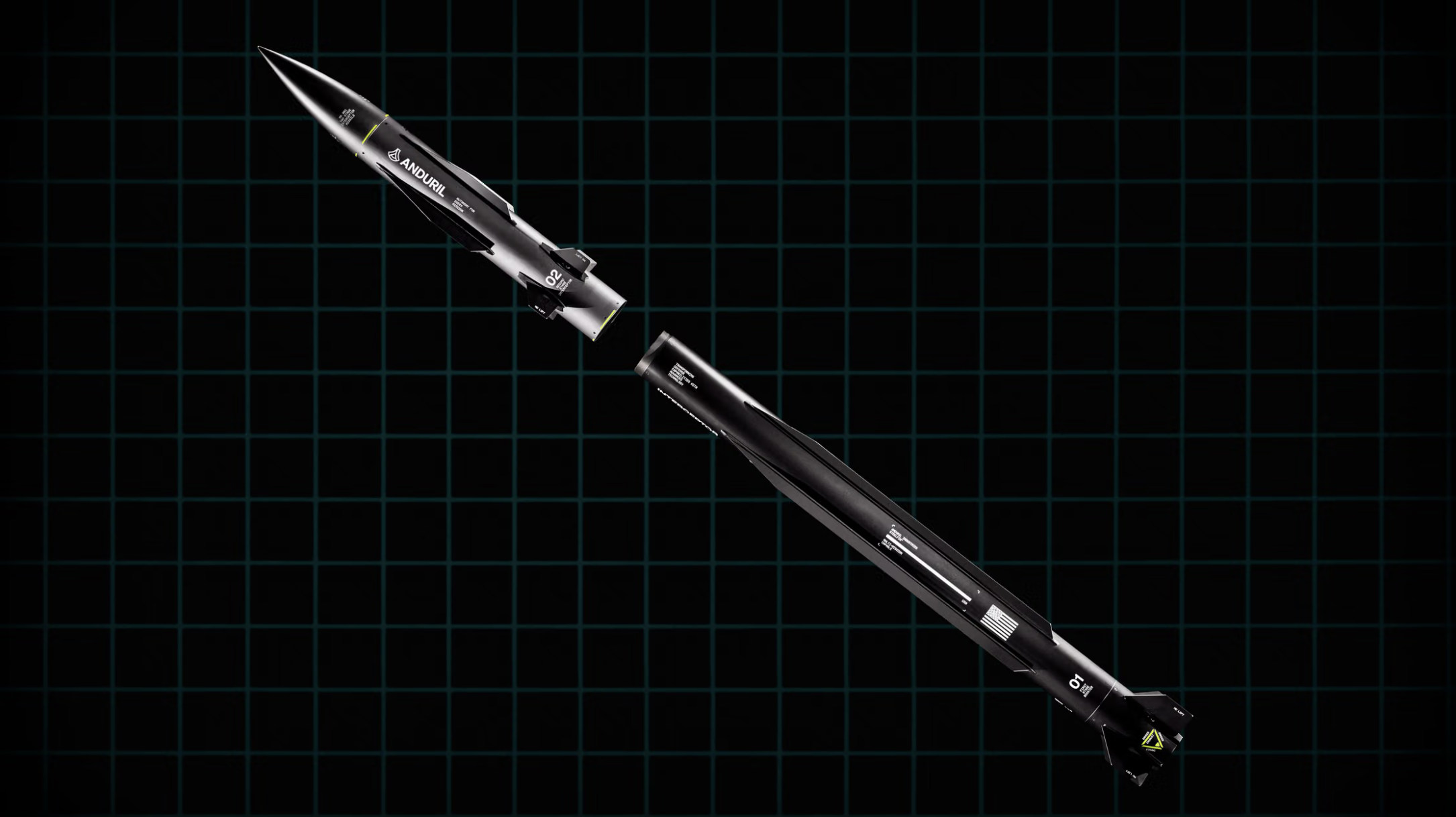
美国国防公司Anduril的一位高管本周表示,该公司可能最终会在欧洲制造其新推出的Steelfin拦截导弹,因为全球冲突凸显了拦截导弹短缺的问题,各国政府旨在扩大防空生产。
U.S. defense firm Anduril could eventually manufacture its newly unveiled Steelfin interceptor missiles in Europe, a company executive said this week, as governments aim to expand air defense production after global conflicts highlighted shortages of interceptor missiles.
Anduril欧洲副总裁布莱恩·莫兰(Brian Moran)周一对路透社表示:“我当然希望像Steelfin这样的东西能够成为我们与波兰客户和行业合作的能力。”
“I certainly hope that something like Steelfin could become a capability that we engage with both the Polish customer and industry,” Brian Moran, Anduril’s vice president for Europe, told Reuters on Monday.
“我们肯定会考虑与欧洲合作伙伴和客户就这一能力进行合作。”Anduril表示,Steelfin计划于2027年进行飞行测试。
“We would definitely consider engaging European partners and customers on this capability.”Steelfin is due to undergo flight testing in 2027, according to Anduril.
乌克兰和海湾地区的战争导致防空拦截导弹库存紧张,并造成交付延迟。
Wars in Ukraine and the Gulf have strained stocks of air defense interceptor missiles and caused delivery delays.
莫兰表示,Anduril认为Steelfin是一种补充系统,可以在现有的爱国者等导弹防御系统之外提供更具成本效益的拦截能力。
Moran said Anduril saw Steelfin as a complementary system that could provide a more affordable interceptor alongside existing missile defense systems like the Patriot and others.
该公司目前正在就其Barracuda-500巡航导弹在波兰的生产进行谈判,莫兰表示,这一经验可能为其他制造项目打开大门。
The company is already in talks to establish production in Poland of its Barracuda-500 cruise missile, and Moran said that experience could open the door to additional manufacturing projects.
他说:“我们在这里与行业合作伙伴PGZ的合作非常顺利。”他补充说,与国防部和其他政府机构的讨论也在进行中。PGZ是波兰的国有武器集团。
“We’re having a very good experience with our industry partner here, PGZ,” he said, adding that discussions were also under way with the defense ministry and other government agencies. PGZ is Poland’s state-owned arms group.
作为北约在经济规模方面国防支出最高的国家之一,波兰正寻求扩大国内武器生产并减少对外国供应商的依赖。
Poland, one of NATO’s top defense spenders relative to the size of its economy, is seeking to expand domestic arms production and reduce reliance on foreign suppliers.
莫兰表示,与PGZ、其WZL-2部门以及政府的谈判重点在于平衡本地生产与交付速度,以及波兰的具体军事需求。
Moran said talks with PGZ, its WZL-2 unit and the government were focused on balancing local production with delivery speed and Poland’s specific military requirements.
当被问及欧洲日益增长的防务工业主权呼声时,莫兰表示,这一术语可能有不同含义,从供应安全和维修能力到对软件升级和未来改进的控制。
Asked about growing calls in Europe for defense industrial sovereignty, Moran said the term could mean different things, from security of supply and maintenance capabilities to control over software upgrades and future modifications.
“主权是有代价的。实现本土化同样需要付出代价,这些代价体现在时间成本与日程安排上。面对欧洲整体所面临的种种威胁,我们必须将这些因素纳入考量。”他表示,虽然各国政府也希望国防开支能带来经济效益,但军事成效才是最重要的;此外,提高本土化水平往往意味着更高的成本与更长的实施周期。
“Sovereignty has a cost. There’s a cost to localization. There’s cost in terms of timing and just schedule. And those need to be considered in light of the threats that Europe collectively is facing.”While governments also want economic benefits from defense spending, the military outcome is most important, he said, adding that greater localization can come with additional costs and longer timelines.