贾斯汀·斯派克(JUSTIN SPIKE)发自匈牙利布达佩斯——就在几个月前,匈牙利调查记者绍博尔奇·帕尼(Szabolcs Panyi)还面临着亲政府媒体的抹黑运动,以及高级官员指控其为乌克兰当间谍的罪名。当政府以间谍罪对其实施刑事控告时,他面临着长达数年的牢狱之灾,因而远走波兰。
JUSTIN SPIKE BUDAPEST, Hungary — Just a few months ago, Hungarian investigative journalist Szabolcs Panyi faced smear campaigns in the pro-government media and accusations by top officials of spying for Ukraine. When the government filed a criminal complaint against him for espionage , he faced the prospect of years in prison, and left for Poland.
如今,在4月的大选将执政长达16年的前总理维克托·欧尔班(Viktor Orbán)赶下台后,帕尼再次漫步在匈牙利首都布达佩斯的街头,并正准备出版他的新书《利益朋友》(Friends with Benefits),该书详述了俄罗斯情报部门对匈牙利的渗透和影响行动。
Now, following an election in April that swept former Prime Minister Viktor Orbán out of office after 16 years in power, Panyi is again strolling the streets of the Hungarian capital, Budapest, and preparing to release his book, “Friends with Benefits,” which details Russian intelligence penetration and influence operations in Hungary.
欧尔班在大选中的惨败改变了帕尼以及这个中欧国家许多其他记者的命运。在这个民粹主义领导人巩固了对媒体的控制并打击新闻自由的国家里,局势已经发生了变化。
Orbán’s landslide loss in the election changed the fortunes of Panyi and many other journalists in the Central European country, where the populist leader had consolidated control over the media and cracked down on press freedoms .
欧尔班于2010年重掌政权时,匈牙利在新闻监督机构“无国界记者”组织的世界新闻自由指数中排名第23位。但到去年,该国已跌至第68位,该组织还将身为美国总统唐纳德·特朗普和俄罗斯总统弗拉基米尔·普京两人的盟友的欧尔班列入了媒体“掠夺者”名单。
When Orbán returned to power in 2010, Hungary ranked 23rd on press watchdog Reporters Without Borders’ World Press Freedom Index. But by last year, it had dropped to 68th, and the group had put Orbán — an ally of both U.S. President Donald Trump and Russian President Vladimir Putin — on its list of media “predators.”
但现在,在由总理佩特·马扎尔领导的匈牙利新的中右翼亲欧政府的领导下,对独立记者的压力已经减轻。4月选举两周后,警方宣布撤销欧尔班政府针对潘伊的间谍罪指控,潘伊表示,这一事实表明警察和检察官此前一直处于欧尔班的“严密政治控制”之下。
But now, under Hungary’s new center-right, pro-European government led by Prime Minister Péter Magyar , pressure on independent journalists has eased. Two weeks after the April election, police announced they’d dropped the Orbán government’s espionage complaint against Panyi, a fact he said showed that police and prosecutors had been under Orbán’s “tight political control.”
他表示:“政治压力已经消失了。虽然目前还不是一切都那么开心和美好。但我相信,我们的处境比4月之前要好得多。”在长达十五年的时间里,欧尔班及其极右翼青年民主主义者联盟运营着一个庞大的亲政府媒体帝国,这些媒体充实他们的叙事、抹黑对手,并控制了独立分析所显示的大约80%的匈牙利媒体市场。
“The political pressure is gone,” he said. “It’s not all happy and shiny yet. But I believe we’re in a much, much better place than we were before April.”For a decade and a half, Orbán and his far-right Fidesz party operated a sprawling pro-government media empire that bolstered their narratives, smeared opponents and controlled what an independent analysis found was around 80% of Hungary’s media market.
在竞选期间,马扎尔誓言要终结他所谓的“欧尔班宣传”,特别是那些源自匈牙利纳税人资助的公共媒体的宣传,这些媒体曾充当政府的喉舌。
On the campaign trail, Magyar vowed to end what he called “Orbán propaganda,” particularly that emanating from Hungary’s taxpayer-funded public media, which had served as a government mouthpiece.
在5月上任后,马扎尔的政府暂停了公共广播和电视的新闻节目。收看节目的观众只看到黑底白字,上面写着:“公共媒体不应说谎。我们为多年来这样做感到抱歉!”自那时起,公共媒体的大部分领导层已被更换,新闻广播也已恢复。
After taking office in May, Magyar’s administration suspended news programming on public radio and television. Viewers who tuned in saw only white text on a black screen which read: “Public media should not lie. We are sorry for doing it for so many years!”Since then, much of the public media’s leadership has been replaced and news broadcasts have resumed.
加博尔·波利亚克(Gábor Polyák)是一名媒体研究员兼教授,他于上周接任匈牙利媒体管理局负责人。他表示,在欧尔班统治期间,九名成员组成的媒体委员会完全由青年民主主义者联盟(Fidesz,简称青民盟)提名的人员组成,他们协助营造了“市场上令人难以置信的集中局面,基本上是出于政治原因”。在新政府领导下,波利亚克领导的媒体委员会中,一半成员由执政党提名,一半由反对党提名,主席则通过公开申请程序遴选并由议员选举产生。
Gábor Polyák, a media researcher and professor who took over as head of Hungary’s media authority last week, said that during Orbán’s rule the nine-member media council was composed exclusively of members nominated by Fidesz, who assisted in creating “an incredible concentration in the market, basically for political reasons.”Under the new government, half the media council Polyák leads is nominated by the governing party and half by opposition parties, with the president selected through an open application process and elected by lawmakers.
波利亚克说:“已采取立法步骤,其明确目标是不建立一个单方面的政治权力机构。”
“Legislative steps have been taken with the explicit aim of not creating a one-sided political authority,” Polyák said.
马扎尔的政府还采取了其他步骤来打破欧尔班对媒体的主导地位,包括关闭匈牙利的主权保护办公室——这是一个青民盟时期的机构,被反对者视为恐吓批评人士和压制独立媒体的工具——并通过了禁止在竞选期间作为标志性现象的“煽动仇恨的政治广告”的立法。
Magyar’s government has taken other steps to dismantle Orbán’s media dominance, including shuttering Hungary’s Sovereignty Protection Office — a Fidesz-era authority seen by opponents as a tool for intimidating critics and silencing independent media — and passing legislation prohibiting “political s that incite hatred” that were a hallmark of campaign periods .
在欧尔班统治下,政府是匈牙利最大的广告商,监督机构“莫泰克媒体监测”(Mérték Media Monitor)的一项研究显示,多达90%的国家广告收入被分配给了亲青民盟的媒体机构,这使其得以在财务上维持生存。
Under Orbán, the government was the largest advertiser in Hungary, and a study by watchdog Mérték Media Monitor showed up to 90% of state advertising revenue was awarded to pro-Fidesz media outlets, keeping them financially afloat.
这些收入来源此后已经枯竭,大批与青民盟有联系的媒体机构和社交媒体网红大幅削减了业务或直接关门。
Those revenue streams have since dried up, and scores of Fidesz-tied outlets and social media influencers have sharply cut back or closed.
2016年10月,匈牙利发行量最大的政治日报、偏左翼的《人民自由报》(Népszabadság)在其母公司被一名与欧尔班有联系的投资者收购后突然停刊。这一关闭引发了大规模示威活动,《人民自由报》的记者们称此举是一场政变。
In October 2016, Hungary’s largest-circulation political daily, the left-leaning Népszabadság, was suddenly shut down after its parent company was acquired by an investor with ties to Orbán. The closure sparked large demonstrations, and Népszabadság’s journalists called the move a coup.
这是与青民盟有联系的商人们进行的几起收购之一,这些收购将成熟的独立媒体转变为忠实于欧尔班政府的宣传资产。
It was one of several acquisitions by businesspeople with Fidesz ties which transformed well-established independent outlets into faithful communications assets for Orbán’s government.
如今,《人民自由报》已经重新开张,并在其停刊10年后的上周开始发行纸质周刊。
Now, Népszabadság has relaunched, and last week began distributing weekly print issues 10 years after its closure.
曾任《人民言论报》副总编辑、现已回归该职位的加博尔·霍尔瓦特表示,该报2016年被关停是“出于明显的政治原因”,欧尔班政府一直奉行街头斗殴的基本规则:“先打最强的人。”
Gábor Horváth, who has returned as deputy editor-in-chief of Népszabadság, said the paper’s 2016 closure was “for obviously political reasons,” and that Orbán’s government had been operating on the basic rules of a street fight: “Hit the strongest guy first.”
他说,政府试图全面控制媒体格局,该报的重新出现标志着匈牙利媒体“完全自由”的时代回归。一些独立记者仍然指责政府对待媒体的方式。
He said the government tried to seize the totality of the media landscape, and that the paper’s reappearance signals a return to a time when media are “totally free in Hungary.”Some independent journalists still fault the government’s treatment of the media.
周四,新闻媒体Telex发表了一篇文章,批评马扎尔的政府没有公布内阁会议的摘要或议程,这与欧尔班政府的做法如出一辙。马扎尔本人也因在社交媒体上点名批评他不喜欢的独立新闻媒体报道而受到批评。
On Thursday, news outlet Telex published an article criticizing Magyar’s government for not releasing the summaries or agendas of cabinet meetings, much as Orbán’s government had done. Magyar himself has received criticism for singling out independent news outlets on social media for coverage he didn’t like.
调查记者潘伊表示,与在欧尔班统治下一样,他和同事向政府提交的一些信息自由请求遭到拒绝或被忽视——尽管他将其很大程度上归咎于仍在国家官僚机构中工作的青民盟政府旧部。
Panyi, the investigative journalist, said that, like under Orbán, some freedom of information requests he and his colleagues send to the government are refused or ignored — though he attributed that largely to holdovers from the Fidesz government still working in the state bureaucracy.
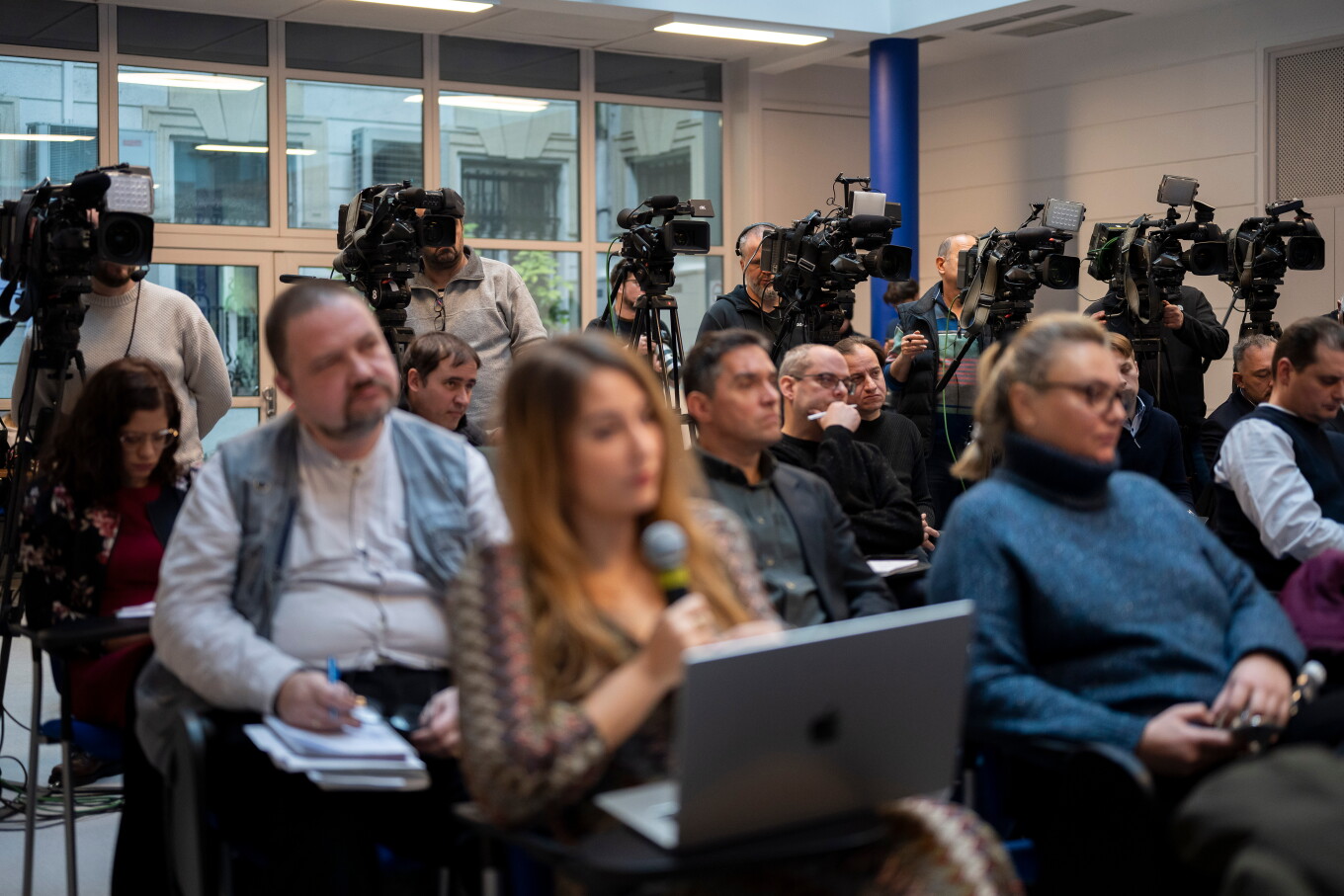
尽管如此,新政府还是采取了措施,改善媒体接触公职人员的渠道。欧尔班政府曾禁止众多媒体从匈牙利议会进行报道,而被允许进入议会的媒体则被限制在走廊的一个狭窄区域——官员们可以轻而易举地避开这里——一些记者将其形容为“笼子”。现在,记者可以在议会走廊里自由行动并向官员提问。
Still, the new government has taken steps to improve press access to public officials. Orbán’s government had banned numerous outlets from reporting from Hungary’s parliament, while those allowed inside were restricted to a narrow section of a hallway — easily avoided by officials — that some journalists described as a “cage.”Now, reporters may move freely through the parliament’s corridors and question officials.
《人民言论报》的霍尔瓦特表示,匈牙利“正在变得更好,媒体需要在社会中寻找新的势头”。他说:“我们再次感受到了变革之风和多年未见的乐观情绪。”
Horváth, with Népszabadság, said Hungary “is changing for the better, and the media needs to find new momentum within the society.”“We feel again the winds of changes and the optimism which we haven’t seen for so many years,” he said.