新加坡:科技巨头们继续加大对人工智能的投入。对先进芯片的需求依然强劲。而全球最大的代工芯片制造商刚刚报告了另一项创纪录的利润。然而,人工智能热潮核心的半导体股票正在暴跌。
SINGAPORE: Technology giants are continuing to ramp up spending on artificial intelligence. Demand for advanced chips remains strong. And the world's largest contract chipmaker has just reported another record profit. Yet the semiconductor stocks at the heart of the AI boom are tumbling.
费城半导体指数在周五(10月16日)前连续八个交易日下跌,在此期间累计下跌约16%,这是自2008年全球金融危机以来最长的连跌纪录。
The Philadelphia Semiconductor Index fell for eight straight sessions through Friday (Oct 16), shedding about 16 per cent over that period in its longest losing streak since the 2008 global financial crisis.
该指数也被称为SOX,追踪在美国上市的全球30家最大半导体公司,包括英伟达和超微半导体,广泛用作衡量芯片行业的晴雨表。
Also known as SOX, the index tracks 30 of the world's biggest semiconductor companies listed in the United States, including Nvidia and Advanced Micro Devices, and is widely used as a gauge of the chip industry.
抛售潮也蔓延至亚洲市场,冲击了韩国的三星电子和SK海力士等主要企业,两者上周分别暴跌约18%和24%。在日本,闪存制造商铠侠控股上周暴跌近24%,而台湾的台积电尽管报告了另一项创纪录的季度利润,仍下跌约5%。
The rout has also spilled over into Asian markets hitting major players such as South Korea’s Samsung Electronics and SK hynix, which plunged about 18 per cent and 24 per cent respectively last week. In Japan, flash memory maker Kioxia Holdings plunged nearly 24 per cent last week while Taiwan's TSMC fell about 5 per cent, despite reporting another record quarterly profit.
尽管人工智能芯片需求依然强劲,且主要科技公司继续在该领域大力投资,但抛售仍在继续。
The sell-off comes even as demand for AI chips remains strong and major technology companies continue to invest heavily in the sector.
微软、亚马逊、谷歌母公司Alphabet和Meta预计今年将在数据中心、芯片及其他支撑人工智能的基础设施上花费约6000亿美元。
Microsoft, Amazon, Alphabet and Meta are expected to spend around US$600 billion this year on data centres, chips and other infrastructure underpinning AI.
CNA采访的专家表示,虽然人工智能需求依然强劲,但投资者越来越质疑如此巨额支出是否能产生足够回报,以及这些回报何时才能实现。
Experts told CNA that while demand for AI remains strong, investors are increasingly questioning whether the massive sums being spent will generate sufficient returns, and how long those returns will take to materialise.
“人工智能的价值是真实的。问题在于时间——期望值跑得太快了,”新加坡国立大学计算机学院教授Anthony Tung说道。
“With AI, the value is real. The timing is where expectations run ahead,” said Anthony Tung, a professor at the National University of Singapore (NUS) School of Computing.
CNA正在审视是什么在推动抛售,为什么强劲需求不再足以支撑人工智能股票上涨,以及这次暴跌是否预示着对这一热潮的更广泛重新评估。大型科技公司预计今年将在人工智能领域花费约6000亿美元。是什么触发了抛售?
CNA looks at what is driving the sell-off, why strong demand is no longer enough to keep AI stocks climbing, and whether the rout signals a broader reassessment of the boom. Big Tech companies are expected to spend around US$600 billion on AI this year. WHAT TRIGGERED THE SELL-OFF?
新加坡盛宝银行首席投资策略师查鲁·查纳纳表示,一个主要触发因素是美国通胀高于预期,这重新点燃了美联储可能需要维持高利率甚至进一步收紧政策的预期。
One major trigger was hotter-than-expected US inflation which revived expectations that the Federal Reserve may need to keep interest rates elevated or tighten the policy further, said Charu Chanana, chief investment strategist at Saxo Singapore.
美联储上个月将利率上调了25个基点,这是自2023年以来的首次加息,并暗示未来几个月可能继续加息。
The Fed last month raised interest rates by 25 basis points, its first increase since 2023, and signalled further hikes in the months ahead.
这对人工智能行业尤为重要,因为构建该技术背后的基础设施需要巨额资本投入。
That matters particularly for the AI industry because building the infrastructure behind the technology requires extraordinary amounts of capital.
查纳纳对《联合早报》表示:“更高的利率会使未来利润在当下的价值降低,这往往会伤害高估值的成长股。它还会增加那些为建设数据中心和人工智能基础设施而大举借贷的公司的融资成本。”但仅靠利率无法解释这种重新评估的规模。
“Higher rates make future profits less valuable in today's terms, which tends to hurt expensive growth stocks. They also raise financing costs for companies borrowing heavily to build data centres and AI infrastructure,” Chanana told CNA. But interest rates alone do not explain the scale of the reassessment.

多年来对人工智能的热情推动估值大幅上升,投资者正变得更加挑剔,他们更关注哪些公司能够将这种需求转化为可持续的利润。
Years of enthusiasm over AI have driven valuations sharply higher, and investors are becoming more selective about which companies can turn that demand into sustainable profits.
查纳纳说:“即使业绩强劲,也可能不再足够,因为投资者已经将多年卓越增长的预期计入了价格。”
“Even strong earnings may no longer be enough when investors have already priced in years of exceptional growth,” Chanana said.
“人工智能交易正从对增长的兴奋转向对实现该增长所需成本的质疑。”尽管人工智能需求强劲,投资者为何仍然担忧?
“The AI trade is moving from excitement about growth to questions about the cost of delivering that growth.”WHY ARE INVESTORS WORRIED DESPITE STRONG AI DEMAND?
尽管市场出现抛售,目前几乎没有证据表明对先进人工智能芯片的需求出现放缓。
Despite the market rout, there is little evidence so far of a slowdown in demand for advanced AI chips.
全球最大的代工芯片制造商、英伟达的关键供应商台积电上周报告称,第三季度净利润为新台币7631亿元(约235亿美元),较去年同期增长近69%,实现六个季度连续创历史新高。
TSMC, the world's largest contract chipmaker and a key supplier to Nvidia, last week reported a net profit of NT$763.1 billion (US$23.5 billion) for the third quarter, up nearly 69 per cent from a year earlier and marking its sixth consecutive quarter of record profit.
台积电表示,受“极其强劲”的需求推动,营收增长50.9%,达到新台币1.5万亿元。然而,台积电的股价也卷入了这轮科技股抛售之中。
Revenue jumped 50.9 per cent to NT$1.5 trillion, on the back of “extremely robust” demand, said TSMC. Yet TSMC's shares have also been caught in the technology sell-off.
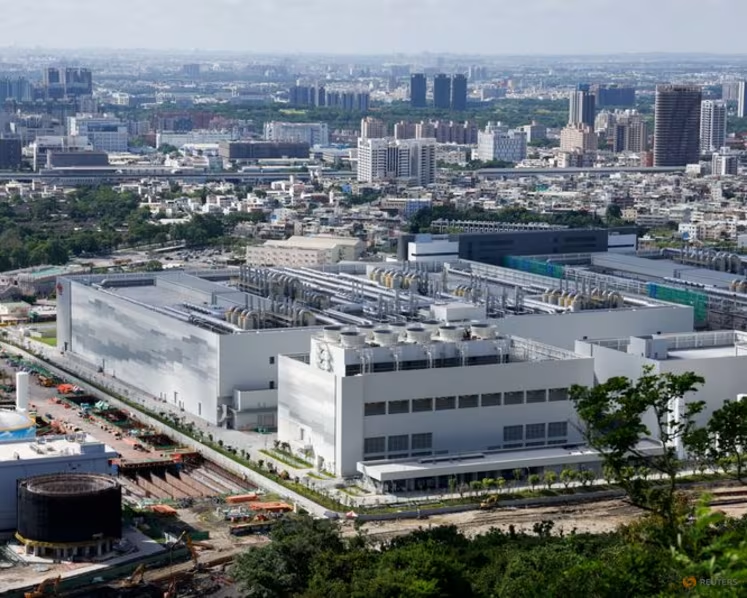
这种表面上的矛盾——需求旺盛但股价下跌——凸显了市场担忧的核心。台湾台积电(TSMC)在高雄的晶圆代工厂全景。
That apparent contradiction - booming demand but falling share prices - goes to the heart of the market's concerns. A general view of the Taiwan Semiconductor Manufacturing Company's (TSMC) fabrication plant in Kaohsiung, Taiwan.
“更大的问题是,投资者对他们愿意为这种增长支付多少变得更加挑剔,”新加坡萨克索银行(Saxo Singapore)的陈女士(Ms Chanana)表示。
“The bigger issue is that investors are becoming much more demanding about how much they are willing to pay for that growth,” said Ms Chanana of Saxo Singapore.
“在人工智能上花钱和从人工智能中赚钱之间存在重要区别。”她表示,科技公司正在芯片、数据中心、电力和计算能力上投入巨额资金,但投资者越来越质疑,与人工智能相关的收入和利润是否能够增长得足够快,以证明这笔支出的合理性。
“There is an important difference between spending money on AI and making money from AI.”Technology companies are investing enormous sums in chips, data centres, electricity and computing capacity but investors are increasingly questioning whether AI-related revenues and profits will grow quickly enough to justify that spending, she said.
陈女士还补充说,如今昂贵的人工智能芯片和基础设施也存在“随着技术进步而过时”的风险,这可能迫使公司在尚未完全收回早期成本之前,就必须继续投入以保持竞争力。
There is also the risk that today’s expensive AI chips and infrastructure could “become outdated as technology advances”, forcing companies to keep investing to remain competitive even before they have fully recovered their earlier costs, Chanana added.
她以美国云计算公司CoreWeave的近期担忧为例,指出即使客户需求依然强劲,更高的借贷成本也可能给依赖债务的企业带来压力。
She pointed to recent concerns surrounding US cloud company CoreWeave as an example of how higher borrowing costs could put pressure on debt-dependent businesses, even when customer demand remains strong.
上周,CoreWeave的股价因投资者对其500亿美元债务以及涉及英伟达等芯片制造商以及Meta平台和OpenAI等客户的融资安排所带来的风险表示担忧,而暴跌超过15%。CoreWeave的标志在一张插图中可见。
CoreWeave’s shares plunged more than 15 per cent last week as investors raised concerns over its US$50 billion debt and the risks of being trapped in financing arrangements involving chipmakers such as Nvidia and clients including Meta Platforms and OpenAI. CoreWeave's logo is seen in an illustration.

除了财务担忧之外,还存在企业能够多快将人工智能投入实际应用的问题。
Beyond the financial concerns, there is also the question of how quickly businesses can put AI to practical use.
董(Tung)表示,人工智能目前的应用大多集中在起草、总结和协助程序员等任务上,而在制造业和医疗保健等行业的核心运营中使用仍然较为有限。
Tung said much of AI's current adoption remains concentrated in tasks such as drafting, summarising and assisting programmers, while its use in core operations in sectors such as manufacturing and healthcare is more limited.
他表示,在这些行业中推广人工智能更具挑战性,因为相关数据可能十分匮乏,决策过程需要承担更大的责任,一旦出错也会带来高昂的代价。
Adoption in those industries is more challenging because relevant data may be scarce, decisions require greater accountability and mistakes can carry much higher costs, he said.
董先生补充道,小型企业可能也难以运用人工智能技术,因为它们缺乏大型企业所具备的技术专长和资源。
Small businesses may also struggle to utilise AI because they lack the technical expertise and resources available to larger companies, Tung added.
他指出,即便企业可能需要较长时间才能将人工智能技术融入日常运营,许多公司仍在着手建设相关基础设施,以满足未来数年的需求。
He said companies are building AI infrastructure to meet demand expected several years into the future, even as businesses may take longer to integrate the technology into their operations.
“这些基础设施是为未来数年的需求而建设的,而实际应用的速度则取决于各企业调整流程及人员配置的能力,”他说道。
“That capacity is built for demand expected several years out, while adoption moves at the speed organisations can change their processes and their people,” he said.
“如果应用进度滞后,估值水平和相关支出也会出现回调。”不过董先生认为,随着人工智能技术不断进步,这些基础设施仍将发挥重要作用,只是问题在于当需求逐步跟上时,相关成本该由谁来承担。人工智能泡沫正在破裂吗?
“If adoption lags, there will be a correction in valuations and spending.”Even so, Tung said that the infrastructure being built will remain beneficial as AI capabilities continue to advance but the question lies in who will bear the cost while demand catches up. IS THE AI BUBBLE UNRAVELLING?
多位专家将此次股价下跌视为对人工智能领域投资的重新评估,而非行业繁荣期终结的信号。
Experts have described the sell-off as a reassessment of AI investments rather than evidence that the boom unravelling.
“鉴于当前人工智能领域的发展水平及回报情况,市场可能觉得估值偏高,因此出现回调也在情理之中,”RHB新加坡公司的资深研究分析师阿尔菲·叶奥说道。
"It is likely a correction as the market feels overvalued based on the current development and returns in AI," said Alfie Yeo, senior research analyst at RHB Singapore.
盛宝银行新加坡分公司的查娜娜同样将此次下跌称为人工智能热潮的“重新定价”。
Chanana of Saxo Singapore similarly described the sell-off as a “repricing” of the AI boom.
“正常的市场回调表现为股价与估值水平下降,但市场对人工智能的需求依然旺盛,”她说道。
“A normal market correction would mean share prices and valuations coming down while the underlying demand for AI remains healthy,” she said.
查娜娜补充称,若出现更严重的下行趋势,则表现为大型科技公司大幅削减人工智能相关支出、半导体订单量下滑,或是大量融资难题导致数据中心项目被迫延期甚至取消。
Signs of a more fundamental downturn would include major technology companies materially reducing AI spending, semiconductor orders weakening, or a wave of financing problems forcing data-centre projects to be delayed or cancelled, Chanana added.
此外还有另一种可能性:人工智能的应用规模虽会持续扩大,但激烈的竞争与价格压力可能导致企业从相关投资中获得的收益低于预期。
There is also another possibility: AI adoption could continue growing but competition and pricing pressures could mean companies earn less from their investments than expected.
“在这种情况下,即便股价在很长一段时间内表现疲软,这项技术仍有可能保持成功,”查纳纳说道。
“In that case, the technology could remain a success while share prices struggle for much longer,” Chanana said.
“最大的风险未必是人工智能技术失败,而是它虽然取得了成功,但投资者为其带来的收益付出了过高的代价。” 杨表示,随着人工智能技术不断发展并得到更广泛的应用,相关投资预计仍会持续。
“The biggest risk is not necessarily that AI fails. It is that AI succeeds, but investors have paid too much for the profits it eventually generates.”Yeo said that investments in AI are likely to continue as the technology develops and becomes more widely adopted.
“最终胜出者将是那些技术稳定可靠、值得信赖且能被市场广泛接纳的企业。” 尽管市场波动不断,多个亚洲经济体仍预计人工智能相关需求将持续推动经济增长。
“The winners will be those whose technology is stable, trusted and well-adopted by the market eventually.”Despite the market turbulence, several Asian economies expect AI-related demand to continue supporting economic growth.
新加坡金融管理局上周表示,预计明年人工智能相关产业仍将助力经济扩张,只是增速可能有所放缓。据韩联社报道,韩国同样预计,在半导体出口强劲的带动下,明年经济也将保持稳健增长。
Monetary Authority of Singapore (MAS) said last week that it expects AI-related activity to continue to back its expansion next year, albeit at a slower pace Similarly, South Korea expects its economy to maintain solid growth next year, supported by robust semiconductor exports, Yonhap reported.
台湾方面也预计,明年对人工智能等新兴技术的持续需求将带动出口与投资增长。接下来会发生什么?
Taiwan too expects that continued demand for emerging technologies such as AI will support exports and investments next year. WHAT HAPPENS NEXT?
投资者将密切关注大量投入人工智能领域的资金是否开始转化为营收与利润。查纳纳列出了四个关键指标以供参考。
Investors will be looking for evidence that the enormous sums being spent on AI are beginning to translate into revenue and profits. Chanana identified four key indicators to .
“投资者不仅希望看到微软、谷歌母公司Alphabet、亚马逊和Meta等公司继续加大在人工智能领域的投入,还希望确认这些投入能否带来更高的营收、更强的生产力以及更丰厚的利润,”她说道。
“Investors will want to see not just whether companies such as Microsoft, Alphabet, Amazon and Meta continue investing in AI, but whether those investments are delivering higher revenues, stronger productivity and ultimately better profits,” she said.
她补充称,居高不下的通胀水平以及进一步加息的预期,可能继续对估值偏高的科技股构成压力。
Persistently high inflation and expectations of further interest-rate hikes could continue weighing on richly valued technology stocks, she added.
图为巴黎凡尔赛门展览中心举办的科技创新创业大会现场出现的Meta标志。
Meta logo seen during the Viva Technology conference dedicated to innovation and startups at Porte de Versailles exhibition center in Paris.
此外,投资者还将密切留意那些负债沉重的AI基础设施企业是否出现经营压力。
Investors will also be watching for signs of stress among heavily indebted AI infrastructure companies.
查纳纳指出,近期科尔韦夫债券价格承压的现象提醒我们:融资压力往往会在企业盈利状况受到明显影响之前就已显现。
Chanana said that recent pressure on CoreWeave's bonds is a reminder that financing stress can show up before the full impact becomes visible in company earnings.
“倘若借贷成本持续攀升,或者企业难以筹集到新资金,这很可能就是系统性问题的早期预警信号,”她说道。芯片制造商的表现将提供另一项重要的验证指标。
“If borrowing costs keep rising or companies struggle to raise fresh funds, that could be an early warning of broader problems,” she said. Chipmakers will provide another important test.
英伟达、三星电子以及SK海力士等公司即将发布的财报与业绩预测,有望揭示人工智能领域的需求是否依然旺盛,以及日益激烈的竞争与产能扩张是否已经开始挤压企业的利润率。
Upcoming results and forecasts from companies such as Nvidia, Samsung Electronics and SK hynix could show whether demand for AI remains strong, and whether greater competition and expanding production capacity are beginning to squeeze profit margins.
“下一阶段的市场焦点或许不再是如何购买各类与人工智能相关的产品,而是如何甄别出那些具备融资能力、能够保障利润水平并实现投资回报的企业,”查纳纳总结道。
“The next phase is likely to be less about buying anything connected to AI and more about identifying which companies can fund their growth, protect their profits and deliver real returns on their investments,” said Chanana.