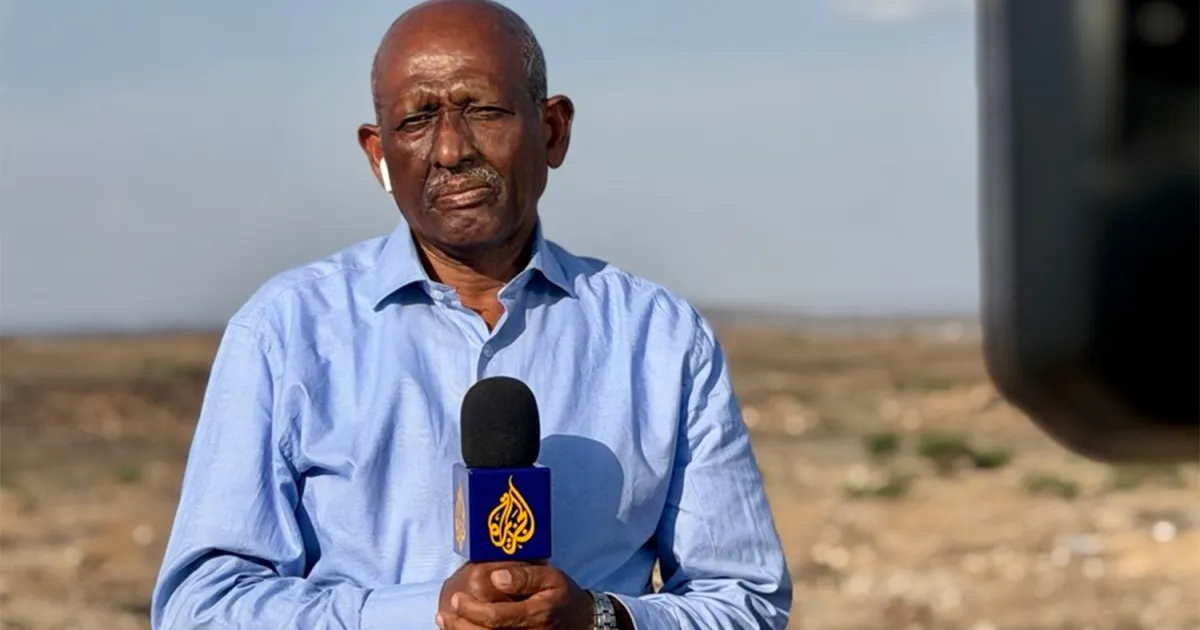
9月23日,埃塞俄比亚北部提格雷地区爆发冲突,打破了近四年前埃塞俄比亚政府与提格雷人民解放阵线(TPLF)签署的和平协议。
On September 23, fighting erupted in Ethiopia’s northern region of Tigray, shattering the peace agreement between the Ethiopian government and Tigray People’s Liberation Front (TPLF) signed nearly four years ago.
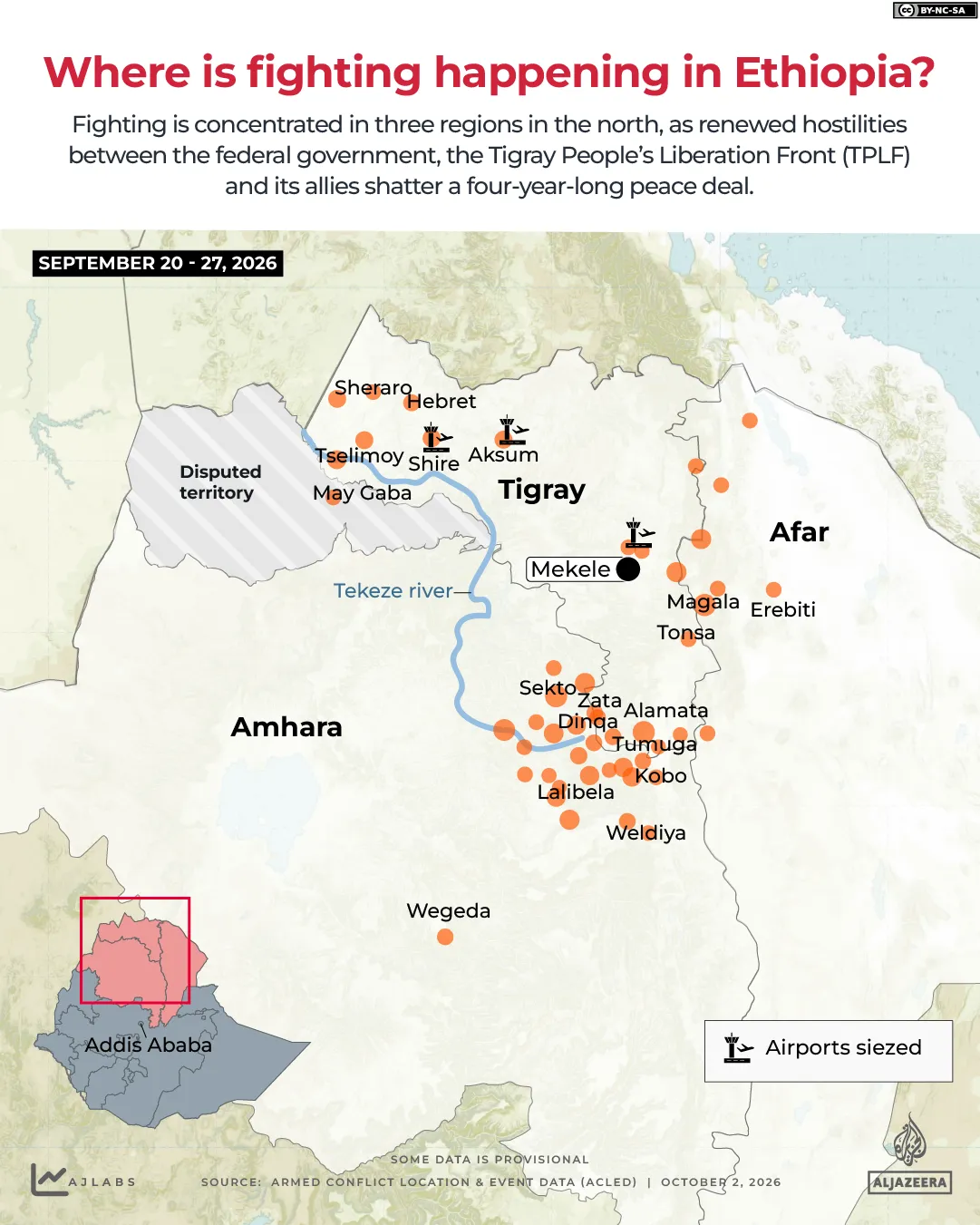
自2022年和平协议因解除武装及领土归属问题出现分歧后,由联邦政府支持的提格雷和平部队与TPLF之间再度爆发冲突,最新战事始于埃塞俄比亚阿法尔地区的埃尔贝蒂一带。
The latest fighting between the federal government-backed Tigray Peace Force (TPF) and TPLF started in the Erbeti area of Ethiopia’s Afar region after the 2022 peace deal unravelled over disarmament and territorial claims.
对我而言,这场新爆发的战争绝不仅仅是一个在电视上播报的新闻事件。它唤起了我在2021年11月进行报道时亲身经历的痛苦记忆。此前那一轮冲突导致超过50万人丧生,约200万人流离失所,直至2022年交战双方才签署协议结束战争。
For me, the latest war is more than a story unfolding on television. It brought back painful memories of what I had experienced during my reporting in November 2021. The previous episode of fighting killed more than half a million people and displaced about 2 million others by the time the rival sides signed a deal to end the war in 2022.
接到报道任务后,我再次面临所有战地记者都要面对的难题:如何在战火纷飞中坚守岗位,如实记录真相。
After I was assigned to cover the fighting, I was once again faced with the challenge any war correspondent faces: how to stand in the midst of active fighting as a witness to the truth.
很快,我们团队从首都亚的斯亚贝巴出发,经陆路前往阿法尔地区,随后抵达提格雷地区的首府默克莱。
Soon, our team set off from the capital, Addis Ababa, to the Afar region and then to Mekelle, the capital of the Tigray region, covering the journey by road.
当我抵达位于亚的斯亚贝巴东北约900公里处的埃尔贝蒂时,原本以为这里还算安全。然而此时居民们正纷纷逃离小镇,小卡车和轿车上堆满了各种家当。男人们匆忙搬运能带走的物品,各家各户都试图在战火逼近前逃离此地。
When I reached Erbeti, about 900km (560 miles) northeast of Addis Ababa, I hoped to Residents were leaving the town, which, until the previous day, had seemed safe. Small trucks and cars were piled with belongings. Men hurried to load whatever they could carry as families tried to get away before the fighting drew closer.
就在我们还在斟酌下一步行动时,震耳欲聋的炮击声骤然响起。为确保团队安全,我们决定抵达后仅数小时便撤离埃尔贝蒂。这并非原定计划,但战争从来不会顾及记者的安排。
As we were still figuring out what to do next, loud sounds of shelling shook us. We decided to leave Erbeti only hours after arriving as staying would put the team’s lives at risk. That had not been the plan. But war pays little attention to a correspondent’s plans.
我们沿着未铺设路面的道路向东行进约100公里,最终抵达阿夫德拉。这座小镇是阿法尔地区同名行政区的中心,以产盐闻名。
We withdrew towards Afdera, about 100km (60 miles) to the east via unpaved roads. Afdera is a small town that serves as the administrative centre for the district of the same name in the Afar region, known for its salt mining.
我们在沙漠中间的车里度过了一个夜晚,当时气温在35摄氏度(95华氏度)左右徘徊。
We spent the night inside our car in the middle of the desert with the temperature hovering above 35 degrees Celsius (95 degrees Fahrenheit).
在埃尔贝蒂[半岛电视台]前线交火期间,战斗加剧。第二天,我们一大早就开始审阅信息、打电话、准备报道素材,并与卡塔尔多哈的新闻室协调。
During exchanges of the fire on the front lines in Erbeti [Al Jazeera] Intensified fighting The next day, we started early to review information, make calls, prepare footage for reports and coordinate with the newsroom in Doha, Qatar.
与此同时,随着气温升至50摄氏度(122华氏度),炎热和湿度消耗了我们剩余的精力。当我们躺在车里试图小睡时,我的思绪仍然停留在埃尔贝蒂。
Meanwhile, the heat and humidity drained our remaining energy as the mercury hit 50C (122F). As we lay in the car trying to catch some sleep, my thoughts were still in Erbeti.
第二天早上,我们出发前往阿夫德拉。上午7点到达后,我们发现早餐选择有限。
Early the next morning, we headed for Afdera. After arriving there at 7am, we found that breakfast choices were limited.
这个城镇有着不同的节奏:许多居民在黎明祈祷后才吃早餐,然后前往工作。这正是通讯员日常现实的一部分——抵达一个陌生的地方,学习当地的生活规律。
The town followed a different rhythm: Many residents ate breakfast after dawn prayers, then headed to work. It was part of a correspondent’s daily reality – arriving somewhere unfamiliar and learning its routines.
我们再次向北前往埃尔贝蒂,却发现政府支持的部队与提格雷人民解放阵线(TPLF)之间在山区的战斗正在加剧。
We headed north towards Erbeti again, only to find the fighting intensifying in the mountains between the government-backed forces and TPLF.
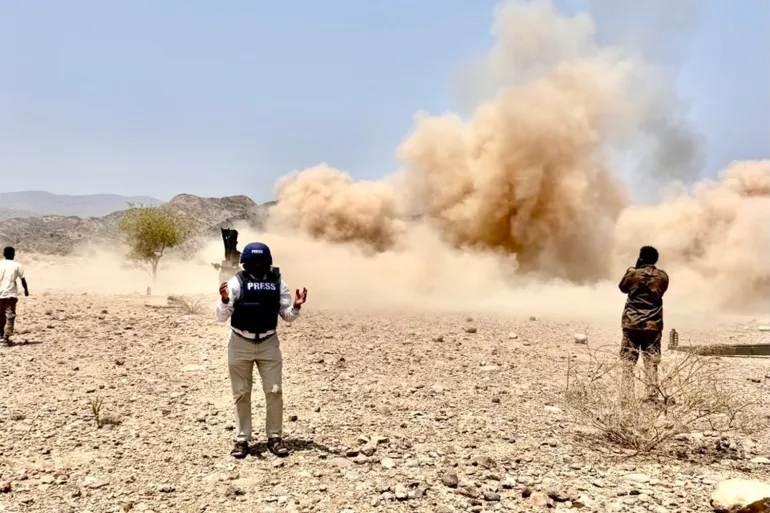
我无法直接看到交火,但枪声充斥着整个区域。随着我们靠近前线,炮火声变得越来越响。有一次,我们仅距离前线3公里(近2英里)。我们穿上防弹衣和头盔,拿起相机,驶向前线驻扎的政府军。
I couldn’t see the clashes directly, but their sounds filled the area. The sound of artillery firing became louder as we got closer. At one point, we were barely 3km (almost 2 miles) from the front line. We put on body armour and helmets, picked up our cameras and approached the government troops stationed on the front line.
我们成功拍摄了一些画面,并记录了士兵的简短陈述。随后,任务因士兵命令我们立即撤离而突然终止。
We managed to film some footage and record brief accounts from soldiers. Then the assignment ended abruptly when the soldiers ordered us to evacuate immediately.
来不及争论或捕捉最后一镜头。我们收拾好装备,在身后山谷中仍在回荡的炮火声中离开。
There was no time to argue or capture a final shot. We gathered our equipment and left with the shelling still echoing through the mountains behind us.
数日来,我们穿越阿法尔、阿姆哈拉和提格雷地区艰难的山路。早上我们能够通行的道路到晚上就无法使用。中午前收到的报告需要在日落前再次核对。
For days, we travelled difficult mountain routes through the regions of Afar, Amhara and Tigray. Roads we travelled on in the morning couldn’t be used by evening. Reports received before noon needed checking again before sunset.
在前线附近的村庄里,我们看到的每张脸上都写满恐惧:母亲们忙着收拾小包裹,孩子们则用焦虑的眼神望向道路。
In villages near the front lines, fear was visible in the faces we encountered as mothers packed small bags and children watched the road with anxious eyes.
我刻意以同理心去倾听,尊重他们的苦难,绝不会为了镜头而利用他们的情绪。
I made a point of listening with sensitivity, respecting their suffering without exploiting their emotions for the camera.
前往默克莱的旅程 随着报道工作的推进,我们踏上了前往提格雷州首府默克莱的旅途。我们抵达时,埃塞俄比亚联邦军队及其盟友刚刚进入这座城市,提格雷人民解放阵线部队也已撤退。
Journey to Mekelle As our coverage continued, the journey led us towards Mekelle, Tigray’s capital. We arrived the day after Ethiopian federal forces and their allies entered the city. The TPLF forces had retreated.
然而默克莱已今非昔比。我原以为这里会热闹非凡、各种事件层出不穷,可它看上去疲惫不堪,往常随处可见的警察与安保人员也踪迹全无。整座城市似乎仍在努力消化数小时前发生的种种变故。
But Mekelle was a different city. I had expected it to be alive with unfolding events. It looked exhausted, with the usual police and security presence absent. It seemed to be trying to absorb what had happened in the hours before.
日常生活仍在小心翼翼地继续着:汽车安静地穿行在街道上,部分街区的商店也重新开张了。
Daily life continued cautiously. Cars moved quietly through the streets, and shops had reopened in some neighbourhoods.
有些街道上,士兵们受到民众欢迎;而在另一些街道上,人们则噤声不语,对未来的事态发展心怀恐惧。
We saw soldiers welcomed in some streets while others remained silent, fearful of what might come next.
许多人拒绝在镜头前发言,因为他们无法预知事态将如何发展。虽然没有出现传统意义上的混乱局面,但不安情绪却弥漫各处。很难判断究竟是谁在维持秩序,接下来的几个小时又会发生什么。
Many people declined to speak on camera because they didn’t know how events would unfold. There was no disorder in the conventional sense, but apprehension was everywhere. It was difficult to establish who was maintaining order or what the coming hours might bring.
我们完全无法预知未来会发生什么,而撤离路线可能被切断的可能性也时刻影响着我们的每一个决定。
We had no assurances about what might lie ahead. The possibility that our exit routes might close weighed on every decision.
即便如此,我们仍必须继续工作。观众们正等着看到照片与新闻报道。据我们所知,我们是当时默克莱城内唯一的媒体团队。
Still, we had to keep working. Our audience was waiting for pictures and news. As far as we knew, we were the only media team in Mekelle.
这种责任沉甸甸地压在我心头。身处这样的地方,只有我们一支团队时,每一句话都至关重要。我们必须仔细区分自己亲眼所见、当地居民告诉我们的信息以及交战各方发布的公告。
I felt the weight of that responsibility. When you are alone in a place like this, every word matters. You must distinguish between what you have witnessed, what residents tell you and what the warring parties announce.
在这座刚刚从战火中走出来的城市里,核实信息的难度甚至超过了获取信息本身。
In a city that has only just emerged from battle, verifying information becomes harder than obtaining it.
我们尽可能维持正常的作息:上午拍摄,之后整理素材并撰写报道,同时时刻关注事态发展。保持公正性我们所面临的挑战并不仅限于安全问题。在一个严重两极分化的战争环境中,我们还需完成一项极具挑战性的道德任务——即保持公正立场与职业距离。
We maintained as normal a routine as possible, filming in the morning, returning to prepare reports and following developments hour by hour. Preserving impartiality The challenges extended beyond security. We also faced the demanding ethical task of preserving impartiality and professional distance in a deeply polarised war.
提格雷地区的民众对联邦政府怀有长期积怨。2018年阿比·艾哈迈德总统上台后推行政治体制改革,解除了媒体审查制度并释放了数千名政治犯。然而,在这个拥有1.39亿人口、民族构成多元的国家里,种族矛盾随后再度爆发。
People in the Tigray region have historic grievances against the federal government. After coming to power in 2018, President Abiy Ahmed reformed political institutions, lifted media censorship and freed thousands of political prisoners. But ethnic tensions have since erupted in this diverse nation of 139 million people.
若仅记录当地民众欢迎政府军进驻的场景却未说明这并非普遍现象,或者仅描述民众对提格雷人民解放阵线武装撤离的担忧却不下定论,我们便可能遭到任何试图让我们只从其立场看待战局的群体的指责。
Documenting residents welcoming incoming government-backed troops without presenting those scenes as universal or reporting fears about withdrawing TPLF fighters without drawing definitive conclusions could expose us to accusations of bias from any party that wanted us to see the battlefield exclusively through its own eyes.
正因如此,我不仅依靠镜头记录,还主动与当地居民交谈,倾听那些不愿在镜头前发言者的心声。我逐渐明白:我们的职责不仅是聆听人们的言语,更要体察那些未说出口的心声。
That’s why I went beyond what the camera captured, talking to residents and listening to those who preferred to speak off camera. I understood that our task involved listening not only to what people said but also to what remained unspoken.
他们的讲述帮助我们更全面地理解局势。在城中的每一小时里,我们都努力权衡各种说法,深知自身的观察与民众的讲述各自代表了不同的视角。
Their accounts helped us understand the situation. With each hour in the city, we tried to weigh the different narratives, recognising that our observations and residents’ accounts offered distinct perspectives.
连日奔波带来的疲惫感日益累积,但我的思绪仍停留在刚刚结束的一天以及即将到来的一天上。我们该走哪条路?目的地会是哪里?接下来的事态发展能否让我们顺利完成计划?在前线辗转两周后,疲惫已然成为如影随形的伙伴。
The exhaustion of days on the road had accumulated, but my mind stayed on the day just ended and the one ahead. Which road would we take? Where would we go? Would the events of the coming hours allow us to complete our plans? After two weeks of moving between front lines, fatigue had become a constant companion.
尽管我们持续发回报道,但关于我们被捕或被困城中的传言仍令同事与家人忧心忡忡。他们四处搜寻任何能证实我们安然无恙的细微信息。
While we kept reporting, rumours that we were arrested or trapped inside the city kept our colleagues and family members anxious. They searched for the smallest piece of information confirming we were safe.
只有在我出现在电视直播中时,我才明白它还有另一层含义。对于许多一直试图联系我们的人来说,这不仅仅是一次现场报道,而是一次意外的安慰,表明我们仍然在这里——仍然活着。
Only after I appeared live on TV did I understand that it carried another meaning. For many who had been trying to reach us, it was more than a live report. It was an unintended reassurance that we were still there – and still alive.
我后来得知,一些梅克勒的居民从我们的广播中发现,政府部队已经控制了他们的城市。
I later learned that some Mekelle residents had discovered that government forces had taken control of their city from our broadcast.
在通讯中断、信息匮乏的情况下,电视向人们传递了发生在他们家门口的新闻。
With communications disrupted and information scarce, television was bringing people news of events unfolding close to their homes.
经过三天的报道后,我们离开了梅克勒,携带着证词和记录的事实。
After three days of reporting, we left Mekelle, carrying testimonies and documented facts.
在返程途中,透过车窗望着过去两周行驶过的道路,我感慨战争的记忆并不局限于战场。
On the return journey, looking through the car window at the roads we had travelled over the previous two weeks, I reflected that memories of war are not confined to battlefields.
留下的,是我一路上遇到的人的面孔,是人们眼中的焦虑,以及一种持续的感觉——即使在最靠近战争的地方,生活也在努力继续。
What remained were the faces of the people I had met along the way, the anxiety in people’s eyes and the persistent sense that life seeks to continue, even in the places closest to war.
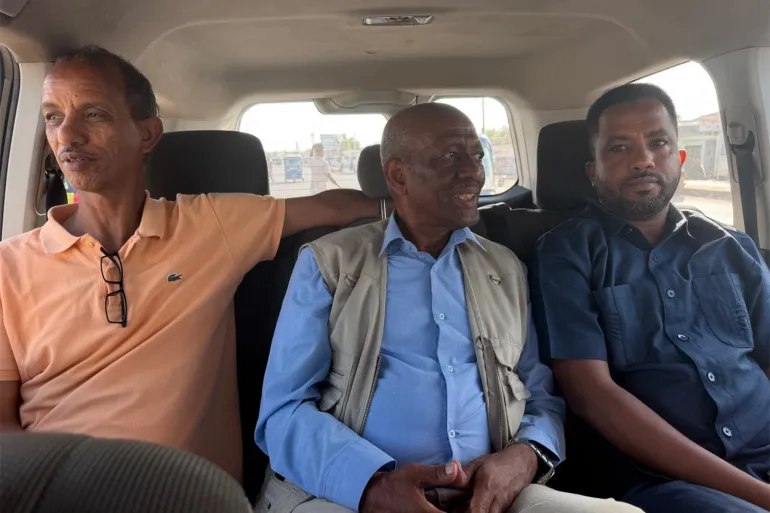
Al Jazeera团队在我们北部埃塞俄比亚一次路程中的记录【Al Jazeera】
Al Jazeera team in one of our road trips in northern Ethiopia [Al Jazeera]