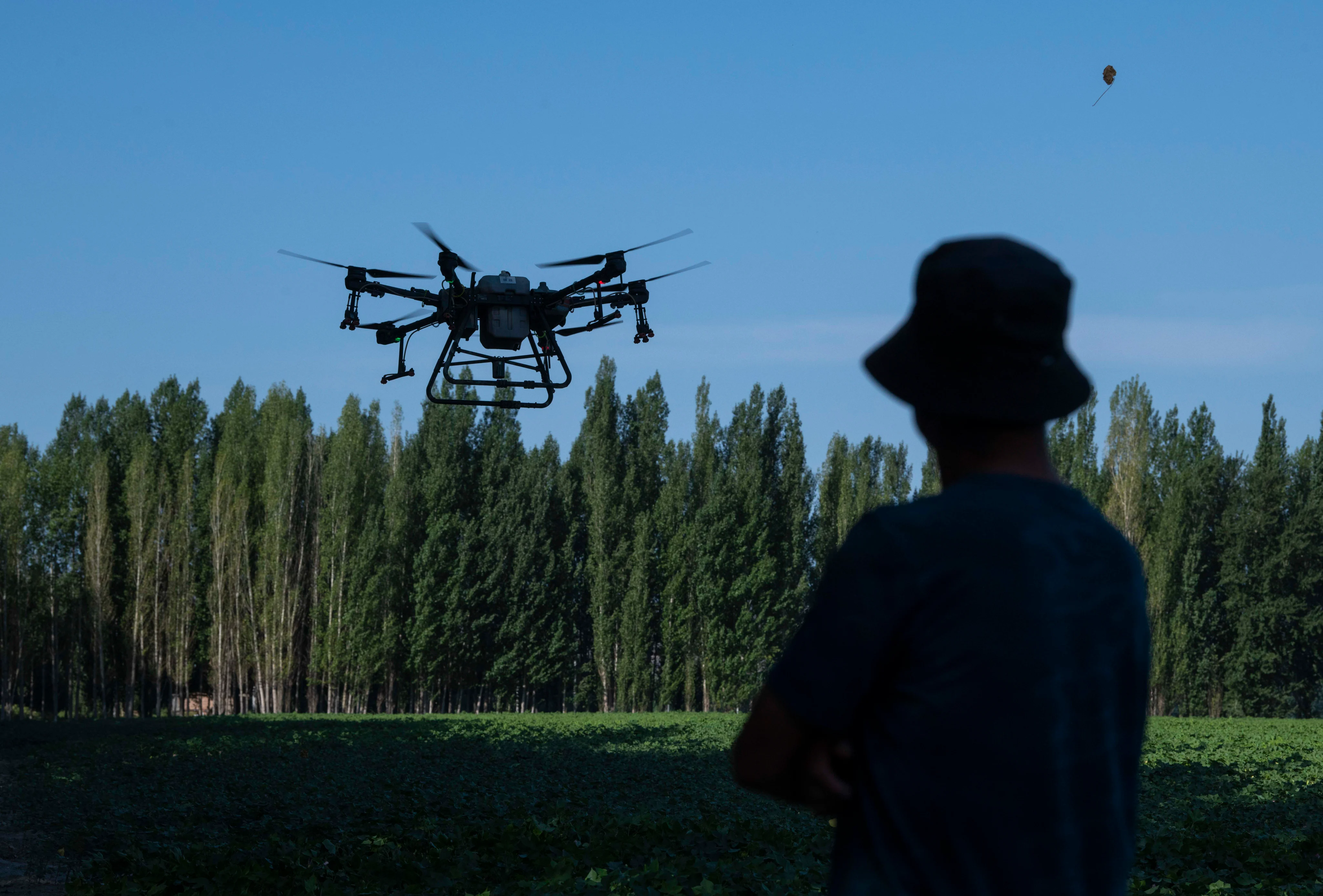
中国已更新无人机及工业设备的出口规则,对部分零部件和功能加强限制,同时对不太敏感的型号放宽要求。分析人士表示,这些变化可能简化消费类无人机的海外销售,但会增加工业型号的合规成本和交付时间。
China has updated its export rules on drones and industrial equipment, tightening restrictions on some parts and capabilities while easing requirements for less sensitive models. The changes could simplify overseas sales of consumer drones but increase compliance costs and delivery times for industrial models, analysts said.
商务部及其他主管部门周一宣布的修订内容,将高性能无刷电机等关键无人机部件以及自主导航、避障等技术列入军用和民用无人机(UAV)出口管制清单。
Announced on Monday by the Ministry of Commerce and other authorities, the changes added critical drone components, including high-performance brushless motors, and certain technologies such as autonomous navigation and obstacle avoidance, to the export-control list for military and civilian unmanned aerial vehicles (UAVs).
与此同时,规则对不太敏感的无人机放宽了限制。免于许可证要求的载荷门槛从20升提高到80升,部分型号的许可程序也得以简化。
At the same time, the rules eased restrictions on less sensitive drones. The payload threshold for a licensing exemption was raised from 20 litres to 80 litres, while licensing procedures were simplified for some models.
咨询机构艾媒咨询创始人兼首席分析师张毅表示,大多数消费类无人机在海外销售时预计不会遇到太多障碍。但工业无人机出口商则需要完成合规备案并核实最终用户,这将“必然延长订单交付时间并增加合规成本”。
Zhang Yi, founder and chief analyst at consultancy iiMedia, said most consumer drones were expected to face few barriers when sold overseas. Industrial UAV exporters, however, would have to complete compliance filings and verify end users, which would “inevitably extend order delivery timelines and increase compliance costs”, Zhang added.
新规由商务部、海关总署和中央军委装备发展部联合发布,将于11月18日生效。
The new UAV export rules, jointly issued by the Ministry of Commerce, the General Administration of Customs and the Equipment Development Department of the Central Military Commission, will take effect on November 18.
商务部发言人周一表示:“近年来,全球无人机产业和技术发展迅速,过去被视为先进的某些产品如今已成为消费品。”
“The global drone industry and technologies have developed rapidly in recent years, and some products that were previously considered as advanced have now become consumer goods,” a commerce ministry spokesperson said on Monday.
发言人还说,这些变化“体现了中国坚决反对无人机被用于非和平目的的立场,同时也彰显了支持中国企业在民用无人机领域开展国际贸易与合作的坚定承诺”。
The changes “demonstrate China’s resolute stance against the unauthorised use of drones for non-peaceful purposes, while highlighting the firm commitment to supporting Chinese companies in conducting international trade and cooperation in the civilian drone field”, the spokesperson said.
这些更新措施是与针对其他具有民用和军事用途的设备的出口管制措施同时宣布的,这些设备包括隧道掘进机和疏浚船。
The updates were announced alongside updated export controls on other equipment with potential civilian and military uses, including tunnel boring machines and dredging vessels.
根据新的隧道掘进机出口管制规定,出口商在向“与中国存在争议的敏感国家和地区”发货之前必须获得许可证;而向其他目的地的出口则只需事先进行登记即可。
Under the new rules for tunnel boring machines, exporters must obtain a licence before shipping to “sensitive countries and regions with disputes with China”. Exports to other destinations require only prior registration.
总部位于深圳的广和律师事务所(Guanghe Law Firm)海关法律委员会主任吴国雄(Wu Guoxiong)表示,其中一个重要的更新内容涉及无人机在空中停留的时间限制。吴国雄指出,此前,飞行时间超过一小时的无人机需要出口许可证;而新规定将这一时间限制延长至三小时,这反映了电池技术的进步。对于飞行时间为30分钟至3小时之间的无人机,出口商只需向商务部进行登记即可,无需额外许可证。
Wu Guoxiong, director of the Customs Law Committee at Shenzhen-based Guanghe Law Firm, said one significant update concerned the length of time drones could remain airborne. Previously, drones capable of flying more than one hour required an export licence, Wu said. The updated rules extend that threshold to three hours, reflecting advances in battery technology. Certain drones with flight times between 30 minutes and three hours can with the commerce ministry without needing an additional licence. “This reflects the regulators’ response to technological development of consumer and industrial drones,” Wu said.
吴国雄表示:“这体现了监管机构对消费级和工业级无人机技术发展的响应,旨在避免对中长续航工业无人机进行过度监管,并体现了‘精准管控’的策略。”他还提到,另一项规则变更允许符合条件的无人机出口商在发货前直接完成相关手续,从而解决了出口商反映的‘许可程序干扰常规出口’的问题。对于最先进的工业无人机,出口限制得到了加强;而对于消费级无人机,则简化了许可流程。
“It prevents the blanket overregulation of mid-to-long-endurance industrial drones and reflects a strategy of ‘targeted control’.”Wu said another rule change allowing exporters of qualifying drones to simply before shipping goods would address industry concerns that licensing procedures had disrupted routine exports. Restrictions on the most advanced industrial drones had been tightened and those for consumer-grade models streamlined, Wu said. “The new rules mark a shift in regulatory focus from vehicle performance towards key components and combat-enabling technologies, while the authorities are leveraging streamlined licensing procedures to make the enforcement more targeted,” Wu added.
iiMedia的张(Zhang)认为,这些变化也凸显了出口合规性对无人机制造商和供应商日益重要的意义。“合规资源有限的中小型企业可能会被挤出海外的高性能市场。”
Meanwhile, Zhang of iiMedia said the changes also underscored the growing importance of export compliance for drone makers and suppliers. “Smaller players with limited compliance resources may be forced out of high-performance markets overseas,” he said.