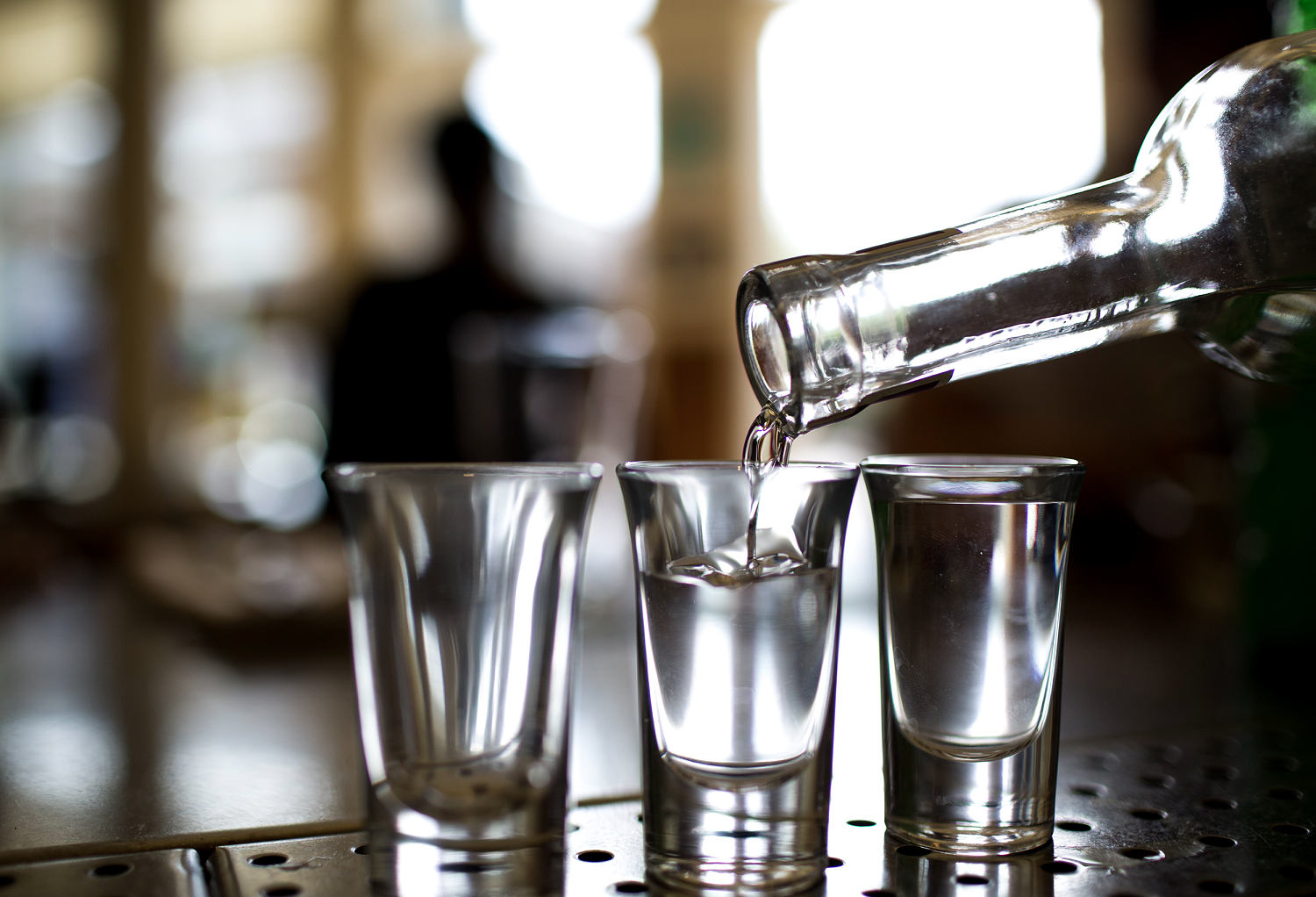
华盛顿 — 对于想在浴缸里酿造威士忌或在厨房里酿造杜松子酒的人来说,这是一个好消息。最高法院周一宣布,将审议是否推翻一项长期存在的联邦禁令,该禁令禁止在家中蒸馏烈酒。尽管自150年前该禁令实施以来,人们对在家蒸馏烈酒的兴趣一直持续存在,但倡导者希望法院能够取消刑事制裁的威胁,这种制裁可能包括最高1万美元的罚款和最多五年的监禁。
WASHINGTON — In a boost for those who want to make whiskey in their bathtubs or gin in their kitchens, the Supreme Court on Monday announced it will consider whether to strike down a long-standing federal ban on distilling spirits at home. Although interest in the home distilling of hooch has continued despite the 150-year old ban, advocates hope the court will remove the threat of criminal sanctions, which can include a fine of up to $10,000 and a maximum sentence of five years in prison.
数十年来,人们一直可以在家中为个人使用酿造葡萄酒和啤酒而不受任何处罚。该蒸馏禁令于1868年颁布,旨在遏制那些酿造烈酒以逃税的行为。该禁令禁止在“任何住宅房屋”或周边建筑物中蒸馏烈酒。挑战者包括业余蒸馏者协会及其几名成员。其中一人斯科特·麦克纳特在家中拥有一个蒸馏器,他曾用它来蒸馏燃料酒精。
For decades, people have been able to make wine and beer at home for personal use without any penalties. The distilling ban was enacted in 1868 in a bid to counter tax evasion by those making spirits. It bars the distilling of spirits in “any dwelling house” or surrounding structures. The challengers include the Hobby Distillers Association and several of its members. One, Scott McNutt, has a still at home that he has used to distill fuel alcohol.
另一人里克·莫里斯拥有一家制造可用于家庭的蒸馏器的公司。他们在得克萨斯州提起诉讼,原因是联邦酒精和烟草税务及贸易局(财政部下属机构)告知他们,由于联邦禁令,他们无法获得在家蒸馏的许可证。该诉讼包含多项主张,包括国会通过一项实际上未产生任何税收的禁令,超过了其征税权。在俄亥俄州另起的一起诉讼中,另一位有意在家蒸馏烈酒的人约翰·里姆提出了类似的主张。
Another, Rick Morris, owns a company that manufactures stills that can be used at home. They sued in Texas after being told by the federal Alcohol and Tobacco Tax and Trade Bureau, part of the Treasury Department, that they could not obtain a license to distill at home because of the federal ban. The lawsuit contains several claims, including that Congress exceeded its taxing power by passing a ban that did not actually raise any revenue. In a separate challenge brought in Ohio, another would-be home distiller, John Ream, raised similar claims.
这两起案件导致联邦上诉法院作出了相互冲突的裁决。在得克萨斯州案件中,第五巡回上诉法院支持挑战者;而在俄亥俄州案件中,第六巡回上诉法院得出了相反的结论。因此,双方败诉方均提出上诉,且所有当事人同意最高法院应作出一项具有全国约束力的 definitive 裁定。
The two cases resulted in conflicting rulings by federal appeals courts. In the Texas case, the 5th U.S. Circuit Court of Appeals backed the challengers, while in the Ohio case, the 6th U.S. Circuit Court of Appeals reached the opposite conclusion. As a result, both losing parties appealed, and all parties agreed the Supreme Court should issue a definitive ruling that would apply nationwide.
如果挑战者胜诉,他们仍然必须登记自己的蒸馏设备,并为其生产的烈酒缴纳消费税,即使这些酒是供自己消费的。代表联邦政府的副总检察长D·约翰·绍尔在法庭文件中为该法律辩护,称如果存在税收无法缴纳的很大可能性,国会有权按地点限制应税活动。与大麻类似——大麻在联邦法律下仍普遍非法,而多个州已将其合法化——有几个州允许家庭蒸馏,包括西弗吉尼亚州,该州于2024年将其合法化。这些州法律并不优先于联邦禁令。国会也已提出立法,旨在废除联邦限制。
If the challengers win, they would still have to their stills and pay excise tax on the spirits they produce, even though it would be for their own consumption. Solicitor General D. John Sauer, representing the federal government, defended the law in court papers, saying that it is within the power of Congress to restrict taxable activities by location if there is a strong chance the taxes will not be paid. Similar to marijuana, which remains broadly illegal under federal law while various states have legalized it, several states allow home distilling, including West Virginia, which legalized it in 2024. Those laws do not take precedence over the federal ban. Legislation has also been introduced in Congress to repeal the federal restrictions.