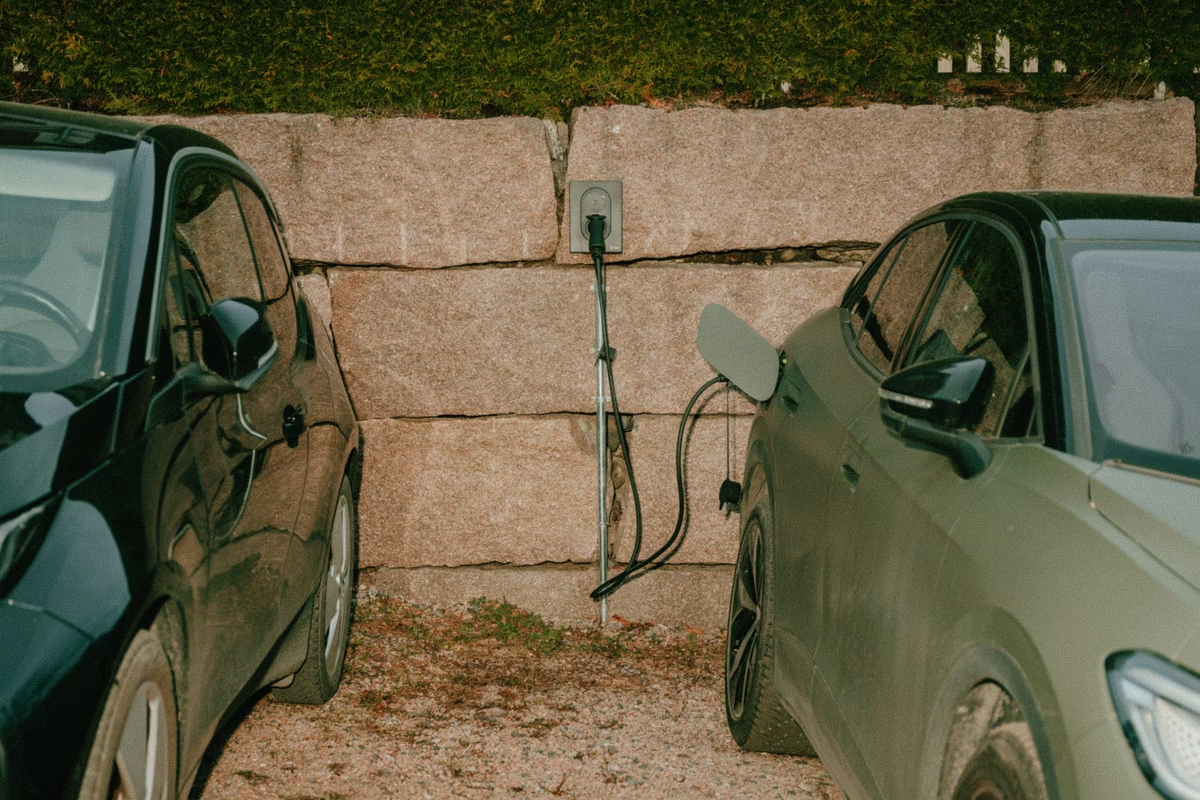
自汽车诞生以来,头一次出现大多数新车不完全依靠汽油驱动:截至2026年,电动汽车和混合动力汽车的销量已超过传统燃油车。自伊朗战争开始以来,油价一路飙升,从河内到汉堡的司机们前所未有地涌向电动汽车。据能源智库Ember称,今年已有49个国家创下电动汽车销量纪录。泰国总理最近抛弃了他的劳斯莱斯,改乘全电动比亚迪海豹通勤上班。
For the first time since the dawn of the automobile, the majority of new cars are not powered exclusively by gasoline: So far in 2026, electric vehicles and hybrids are outselling traditional gas-powered cars. As oil prices have gone up and up since the start of the war in Iran, drivers from Hanoi to Hamburg are picking up EVs like never before. According to the energy think tank Ember, 49 countries have broken EV-sales records this year. The prime minister of Thailand recently ditched his Rolls-Royce and commuted to work in an all-electric BYD Sealion.
而美国则是另一番景象。尽管人们对高油价忧心忡忡,但从7月到9月,电动汽车仅占美国新车销量的6.4%。与伊朗战争开始前的1月相比,略有上升,但微乎其微。美国长期以来一直是电动汽车的落后者,充斥着对电池动力汽车持怀疑态度的司机(以及一位总统)。但即便过去一年油价从每加仑3美元跳涨到4.50美元,司机们也纹丝不动。
And then there’s the United States. For all the angst over high gas prices, EVs accounted for just 6.4 percent of new-car sales in the U.S. from July to September. That’s a slight rise from January, before the beginning of the war with Iran—but just barely. The U.S. has long been something of an EV laggard, full of drivers (and a president) who are skeptical of battery-powered cars. But even as gas prices have jumped from $3 to $4.50 over the past year, drivers won’t budge.
美国的汽车车队不可能一夜之间彻底更换。没有人会在油价刚达到每加仑5美元时就立即掏出5万美元买辆特斯拉。“如果油价只是暂时高一点,”哈佛大学萨拉塔气候与可持续发展研究所高级研究员、前通用汽车高管伊莱恩·巴克伯格告诉我,“人们会说,‘哦,这会过去的。我不会去改变我拥有的车辆。’”但巴克伯格补充说,当高油价持续半年或更长时间时,汽车行业的方向可能会发生转变。
America’s car fleet was never going to flip overnight. No one forks over $50,000 for a Tesla the moment gas hits $5 a gallon. “If gas prices are higher for a little while,” Elaine Buckberg, a senior fellow at Harvard University’s Salata Institute for Climate and Sustainability and a former executive at General Motors, told me. “People say, ‘Oh, this is going to pass. I’m not going to go and change what vehicle I own.’”But when high gas prices linger for half a year or longer, Buckberg added, the direction of the car industry can shift.
20世纪70年代的短缺和排队现象帮助终结了中世纪的“陆地游艇”。2000年代,创纪录的高油价抑制了对耗油SUV的狂热,并推动数百万美国人购买丰田普锐斯等混合动力汽车。现在,司机们有了一个真正的替代方案,不必受制于世界石油市场的变幻。他们只是不愿采纳。
The shortages and lines of the 1970s helped kill the mid-century land yacht. In the 2000s, record-high gas prices tempered the craze for gas-guzzling SUVs and pushed millions of Americans to buy hybrids like the Toyota Prius. Now drivers have a real alternative to the whims of the world oil market. They’re just not taking it.
美国人并非全是忠于汽油、拒绝电池动力的忠实者。事实上,如今大多数司机表示,他们正在强烈考虑将电动汽车作为下一辆车,而这一趋势在35岁以下人群中更为明显。二手电动汽车需求激增,但它们仅占二手车市场的一小部分,因为市场上可供选择的车型实在太少。油价上涨的最大受益者是传统混合动力汽车——这一源自乔治·W·布什时期的绿色汽车解决方案。过去一年,美国的混合动力汽车销量增长了27%。
Americans are not all gasoline loyalists who’ve forsworn battery power. In fact, most drivers now say that they are strongly considering an EV as their next vehicle, and the trend is even stronger among people under 35. Pre-owned EVs are surging, but they represent a sliver of the used-car market, because so few of them are out there. The biggest winner from the gasoline spike has been the plain old hybrid, the green-car solution of the George W. Bush years. Sales in the U.S. have jumped 27 percent over the past year.
某种程度上,美国人之所以尚未转向电动汽车,是由于几个长期存在的原因:电动汽车价格过高,且选择有限。由于美国实际上禁止进口中国制造的电动汽车,我们无法购买诸如比亚迪海豚冲浪版(BYD Dolphin Surf)这样的车型——该车在欧洲售价约为2.2万美元。许多司机熟悉的车型目前仍无法以纯电动版本购买。例如,丰田的RAV4和凯美瑞如今仅提供混合动力版本;去年,福特因销量低迷而取消了F-150皮卡的电动版本——这款车是美国最受欢迎的车型。
To some degree, Americans aren’t making the leap for several long-standing reasons: EVs are too expensive, and the options are lacking. Because the U.S. effectively bans electric cars made in China, we are cut off from buying something such as the BYD Dolphin Surf, an electric sedan that sells for about $22,000 in Europe. Many of the models that drivers are familiar with still cannot be had as an EV. Toyotas such as the RAV4 and Camry now come only as hybrids; last year, Ford killed the electric version of the F-150 pickup truck, this country’s most popular vehicle, citing low sales.
福特目前正在宣传一款售价约为3万美元的电动皮卡卡车,但该车型要到2027年才会上市。与此同时,美国唯一的电动微型面包车是表现不佳的大众ID. Buzz,这是一款现代化的“花力巴士” reinterpretation。此外,尽管特斯拉的汽车具有诸多优势,但许多美国人表示,由于埃隆·马斯克的个人因素,他们不会考虑购买特斯拉品牌。简而言之,电动汽车市场仍存在诸多空白。
Ford is now hyping up a roughly $30,000 electric pickup truck, but that won’t arrive until 2027. Meanwhile, America’s only electric minivan is the struggling Volkswagen ID. Buzz, a modern take on the flower-power bus. And although Tesla’s cars have a lot going for them, plenty of Americans say they won’t touch the brand because of Elon Musk. In short, the EV market is full of holes.
话虽如此,看到电动汽车销量平淡,人们很难不怀疑美国人是否对电动汽车失去了方向。燃油车与电动汽车的价格差距正在缩小;如今有更多电动汽车售价低于4万美元。充电网络正在扩展,电池续航里程也在提升。与一两年前相比,如今购买电动汽车的权衡更少了。而且在很多方面,电动汽车确实更好。它们加速快、驾驶有趣。
That said, it’s hard not to look at tepid EV sales and wonder whether Americans have lost the plot on electric cars. The price gap between gas and electric cars is closing; more EVs are now available for under $40,000. Charging networks are expanding, and battery ranges are climbing. Compared with even just a year or two ago, buying an electric car comes with fewer trade-offs. And in plenty of ways, EVs are just better. They’re zippy and fun to drive.
日常维护需求少,比如不需要更换机油,这使得拥有车辆变得不那么麻烦。它们还能做许多燃油车做不到的事情:在家充电、在停电时为房屋供电、在“前备箱”(frunk)里存放行李。但如果每加仑接近5美元的汽油价格还不足以说服人们转向电动汽车,那什么才能呢?当我问及巴克伯格时,她告诉我她曾在通用汽车工作期间参与的一项研究:车主们“很乐意购买电动汽车——只要他们不必放弃当前车辆中喜欢的东西”,她说。
They don’t require much of the routine maintenance, such as oil changes, that make car ownership annoying. They can do all sorts of things that fossil-fuel burners cannot: refuel at home, keep a house’s lights on during a blackout, store luggage in a “frunk.”But if gas that’s creeping up on $5 a gallon isn’t enough to persuade people to go electric, what will? When I posed the question to Buckberg, she told me about research she’d worked on while at GM: Drivers were “happy to buy an EV—as long as they don’t have to give up anything they like about their current vehicle,” she said.
换句话说,电动汽车仅在其擅长的方面表现好还不够——尤其是当相对较少的美国人认识拥有电动汽车的人时。它们还需要在燃油车擅长的方面也做到匹配。快速充电站正在普及,但速度仍不足以让我们摆脱对加油位置的担忧——而在一个到处都是加油站的国家,这本来是理所当然的事。此外,除非你在中国,否则电动汽车目前还无法像加油那样快速充电。
In other words, it’s not enough for EVs to be good at what they’re good at—especially when relatively few Americans know someone who has one. They need to match the things that gas cars are good at too. Fast chargers are spreading, but not fast enough to free us from the mental load of worrying about where to refuel—something that’s been a given in a nation with a gas station at every corner. And what EVs can’t do yet (unless you’re in China) is recharge in as little time as it takes to pump gas.
这是美国司机视为前提条件的事情,尽管我们大多数人并不经常进行长途旅行,日均驾驶里程只有30多英里——这一总里程完全可以通过家庭充电轻松应对。
That’s something American drivers see as a prerequisite, even though most of us don’t regularly take very long road trips and drive an average of 30-some miles a day—a total easily handled by charging at home.
零排放交通协会研究主任科里·坎托尔告诉我,有充分理由认为电动汽车将继续稳步增长。一波性能卓越的新款电动汽车正进入美国市场,单次充电续航里程超过400英里。但如果电动汽车真的必须在司机愿意尝试之前,先完成燃油车所能做的一切——甚至更多——那么美国要实现大规模普及仍需很长时间。我们离中国所达到的充电速度还很远,也没有达到能与加油站普及程度相媲美的充电桩密度。在此之前,美国人将继续为性能更差的汽车加油,而世界其他地区早已迈出了这一步。
There’s every reason to think that EVs will continue a gradual climb, Corey Cantor, the research director at the Zero Emission Transportation Association, told me. A new wave of hyper-capable electric cars is arriving in America, with ranges above 400 miles per charge. But if EVs really have to do everything gas-powered cars do—and more—before drivers give them a chance, it’ll be a long time before America embraces them en masse. We’re nowhere near the charging speeds that China has achieved nor the density of plugs that would rival the ubiquity of gas stations. Until then, Americans will keep pumping gas into worse cars while the rest of the world has long moved on.