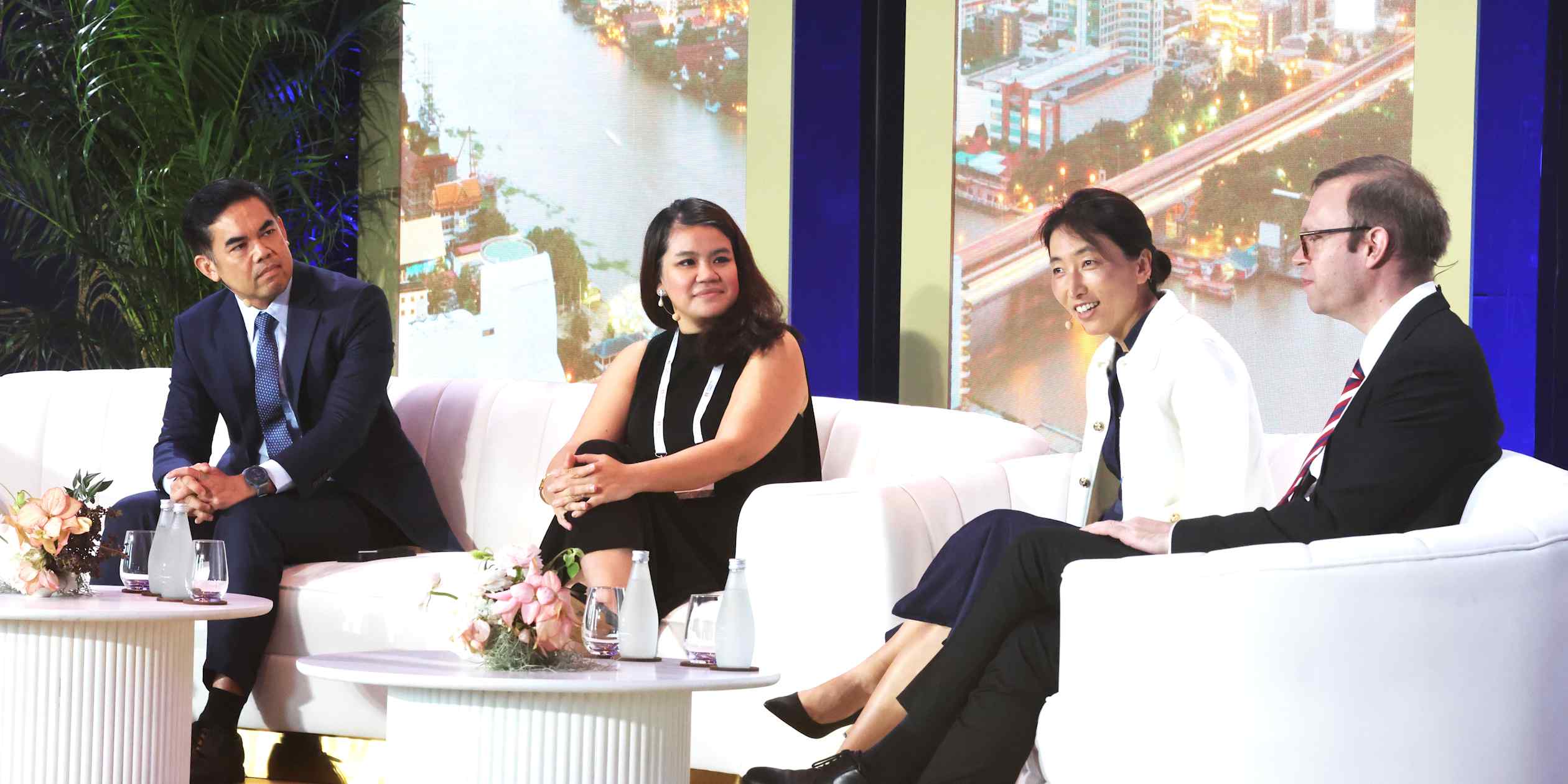
曼谷——经济学家周二在一个奢侈品商业会议上表示,亚洲当前的人工智能投资热潮正在提振出口和经济增长,但这些好处并未渗透到消费者身上。
BANGKOK -- The ongoing artificial intelligence investment boom in Asia is lifting exports and economic growth, but the benefits are not filtering down to consumers, economists said at a luxury business conference on Tuesday.
欧亚集团中国区总监丹·王(Dan Wang)在曼谷举行的由《金融时报》和《日经》组织的的奢侈品商业峰会上,被问及当前的人工智能热潮是否正在促进消费者支出时表示:“中国并没有出现这种情况。”她说:“这种人工智能投资高度集中在少数获得大量政府资金的公司里。”她还指出,中国人工智能热潮及相关出口增长带来的好处,正被低迷的房地产行业和其他结构性障碍所抵消。丹·王表示,这个拥有数百万就业人口的行业的疲软,可能仍会拖累消费者支出。
"It's not happening in China," Eurasia Group's China director Dan Wang said when asked whether the current AI boom is feeding consumer spending at the Business of Luxury Summit in Bangkok, organized by the Financial Times and Nikkei. "This kind of AI investment is so concentrated within a few companies with a lot of government funding." She also noted that the benefits of China's AI boom and related export growth are being offset by the slumping real estate sector and other structural impediments. Wang said the weakness of the sector, which employs millions of people, could still weigh on consumer spending.
丹·王说:“中国政府一直在试图拯救房地产行业,但收效甚微。”“我们的预测是,房价可能会一路进一步下跌至2030年。”泰国也正在经历类似的情况。据开泰帕查金融集团经济学家皮帕·伦纳鲁米柴(Pipat Luengnaruemitchai)称,尽管人工智能刺激了电子行业的投资和出口,但整体经济增长速度相对较慢,泰国人的购买力也只获得了有限的好处。
"The Chinese government was trying to save the housing sector, but with very little success," Wang said. "Our forecast is that housing prices are probably going to fall further all the way until 2030." Thailand is experiencing something similar. While AI has spurred electronics sector investments and exports, the overall economy grew at a relatively slow pace, and Thais have seen limited benefits to their spending power, according to Pipat Luengnaruemitchai, an economist at Kiatnakin Phatra Financial Group.
他在同一次会议上表示:“泰国的经历与中国非常相似,尽管你能看到大量总出口和总投资涌入,但它并未对普通消费者产生这种效应。”
"The experience of Thailand is very similar to China in the sense that even though you see a lot of gross exports and gross investment coming through, it hasn't triggered that effect to the general consumer," he said at the same session.
受益于人工智能热潮的人的财富与未受益者的财富正在出现分化,皮帕称泰国正在经历K型经济扩张。皮帕说:“像人工智能这样的大赢行业表现良好,但你仍然有很多传统行业饱受竞争力薄弱问题的困扰。”牛津经济研究院首席亚洲经济学家路易丝·卢(Louise Loo)表示,人工智能的兴起刺激了对技术价值链和基础设施的投资,但在一些与人工智能相关的业务中增长有限,不太可能使更广泛的经济受益。
Pipat said Thailand is experiencing a K-shaped economic expansion, with the fortunes of those benefiting from the AI boom diverging from those who are not. "The winning industry, like AI, is doing well," Pipat said, "but also you still have a lot of traditional industries that are still suffering from the weak competitiveness issue." Louise Loo, chief Asia economist at Oxford Economics, said the rise of AI has spurred investment in the technology value chain and infrastructure, but growth has been limited in some AI-related businesses and is unlikely to benefit the broader economy.
路易丝·卢说:“在任何投资超级周期中……大量的财富创造都将集中在企业主手中。”“因此,这显然会对消费等方面产生不同的影响。”
"With any investment super-cycle ... a lot of the wealth creation is going to be concentrated among business owners," Loo said. "So that obviously has different implications for things like consumption."