霍尔木兹海峡的动荡将能源价格推至多年高位,石油公司正在权衡如何使用意外暴利。行业数据显示,交易部门从与更广泛的伊朗战争相关的波动中获利,增加了生产商在投资、分红和回购之间做决定的压力。
Oil companies are weighing how to spend windfall profits after the Strait of Hormuz disruption pushed energy prices to multi-year highs. Trading desks have profited from the volatility stemming from the Iran war, adding pressure on producers to decide between investment, dividends and buybacks.
霍尔木兹海峡的动荡将能源价格推至多年高位,石油公司正面临如何部署意外现金流的新抉择。行业数据显示,交易部门从由此产生的、与更广泛的伊朗战争相关的波动中获利。
Oil companies are facing fresh decisions over how to deploy windfall cash after disruption in the Strait of Hormuz pushed energy prices to their highest levels in years. Trading desks have profited from the resulting volatility tied to the broader Iran war, industry figures show.
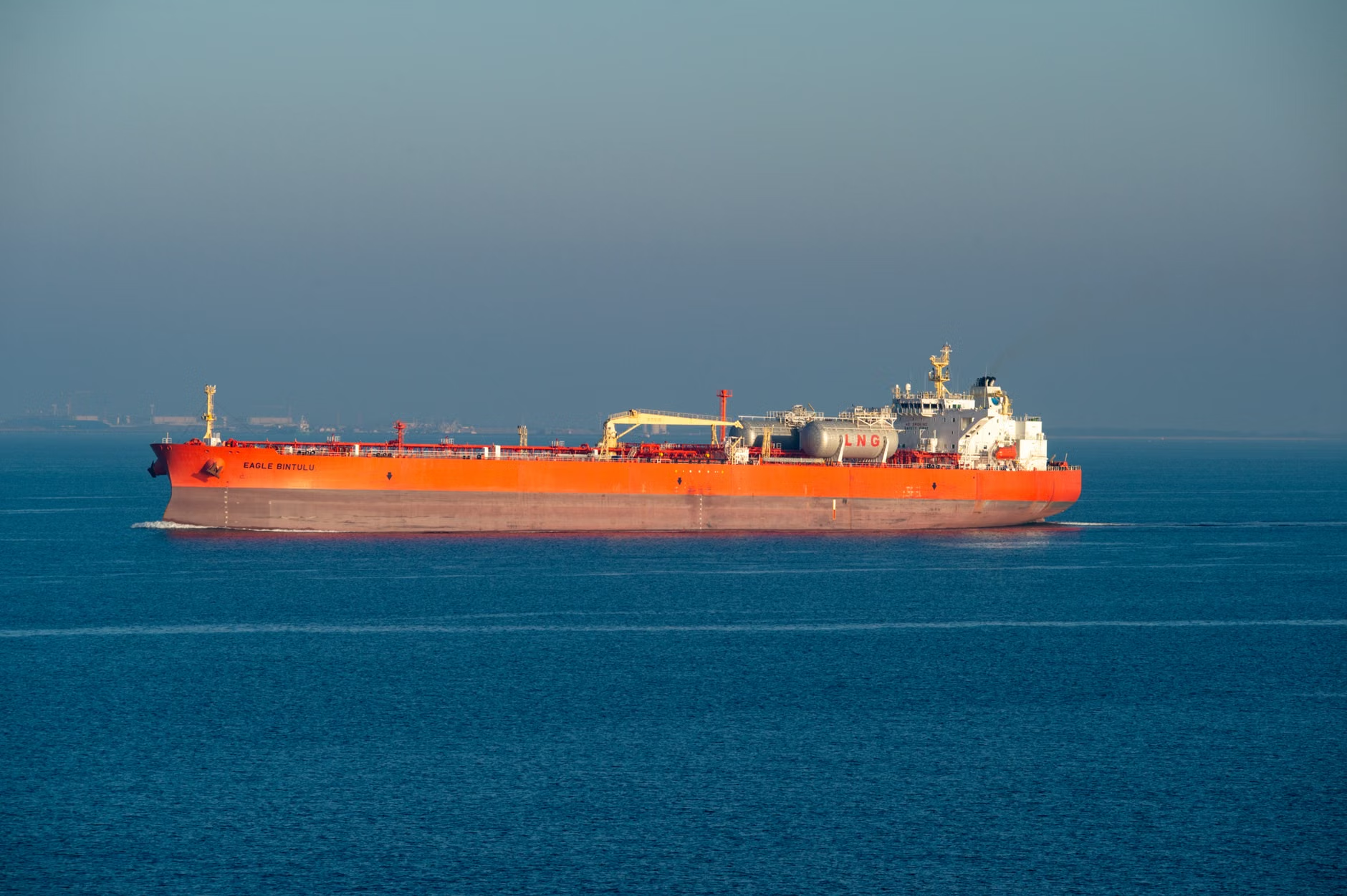
数月来,该海峡附近的航运遭受袭击,这一全球石油流动的关键走廊的动荡导致油价居高不下,即使部分油轮已改道绕行该区域。生产商从较高油价中受益,尽管动荡增加了整个行业的成本和风险。
The price swings follow months of attacks on shipping near the strait, a vital corridor for global oil flows, which have kept crude prices elevated even as some tankers have rerouted around the area. Producers have benefited from the higher prices even as the disruption raises costs and risks across the sector.
公司目前正在权衡是将额外现金用于新投资、股东分红还是股票回购。由于冲突持续时间仍不确定,生产商必须在近期利润与长期规划之间取得平衡。
Companies are now weighing whether to direct the extra cash toward new investment, shareholder dividends or share buybacks. The decisions come as the conflict's duration remains uncertain, leaving producers to balance near-term profits against longer-term planning.