加拿大议会预算官表示,包括一项针对企业的重大税收激励在内的新联邦措施,其成本已超过主要由能源价格上涨推动的收入激增所带来的财政空间。
Canada’s budget watchdog says new federal measures, including a major tax incentive for businesses, have more than offset a surge in revenues driven largely by higher energy prices.
周二发布的议会预算官(PBO)财政与经济展望显示,与春季预算更新相比,联邦财政空间在2026-27至2030-31财年期间增加了374亿加元(约合266亿美元)。议会预算官估计,较高的能源价格将在未来三年增加114亿加元的收入。
The parliamentary budget officer’s fiscal and economic outlook published Tuesday shows federal fiscal room has increased by C$37.4 billion ($26.6 billion) over 2026-27 to 2030-31 compared with the spring budget update. The PBO estimates higher energy prices will boost revenues by C$11.4 billion over the next three years.
与此同时,自那时以来宣布的措施在同一时期总计达526亿加元,超过了新增的财政空间。
Meanwhile, measures announced since then total C$52.6 billion over the same period, more than offsetting the additional fiscal room.
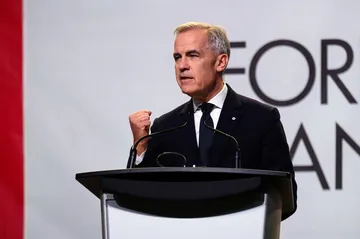
最大的一项新措施是联邦政府扩大的税收激励,被称为“生产力超级扣除”,五年成本将达360亿加元。总理马克·卡尼在上个月举行的加拿大首届投资峰会上,向全球顶尖商业领袖推介在加拿大投资时公布了这项福利——该政策将允许企业立即冲销某些资本支出,并加速扣除其他支出。
The largest new measure is the federal government’s expanded tax incentive, dubbed the “productivity mega deduction,” which will cost C$36 billion over five years. Prime Minister Mark Carney unveiled the benefit — which will allow businesses to immediately write off certain capital expenses and accelerate deductions for others — as part of his pitch to the world’s top business leaders to invest in Canada during the country’s first investment summit last month.
德嘉登集团副首席经济学家兰德尔·巴特利特在接受采访时表示:“我们的看法是,至少在未来五年内,‘生产力超级扣除’远无法弥补联邦政府因这一决定而将面临的税收损失。”
“Our view is that the productivity mega deduction isn’t going to come anywhere close to replacing, at least over the next five years, the lost tax revenue that the federal government is going to experience as a result of this decision,” Randall Bartlett, Desjardins Group’s deputy chief economist, said in an interview.
“话虽如此,从长远来看,我们认为这将提振加拿大实际GDP,特别是如果我们确实能实现与美国贸易关系的某种常态化。”报告中,议会预算官还表示,赤字与GDP之比在未来几年不太可能每年都下降,这表明联邦政府很可能会错过其关键财政目标之一。
“That said, over the very long term, we think it is something that is going to boost Canadian real GDP, particularly in the event that we do get some normalization in trade relations with the US.”In the report, the PBO also said the deficit-to-GDP ratio isn’t likely to decline every year in coming years, suggesting the federal government will likely miss one of its key fiscal targets.
“我们预计2026-27财年的赤字占GDP比例为1.8%。该比例在2027-28财年上升至2.0%,随后呈下降趋势,到2030-31财年降至1.7%。自6月以来若无新措施,该比例本应逐年下降,”该监督机构表示。
“We project the deficit-to-GDP ratio at 1.8 per cent in 2026‑27. The ratio rises to 2.0 per cent in 2027‑28 and then trends down to reach 1.7 per cent in 2030‑31. Absent new measures since June, the ratio would have declined in each year,” the watchdog said.