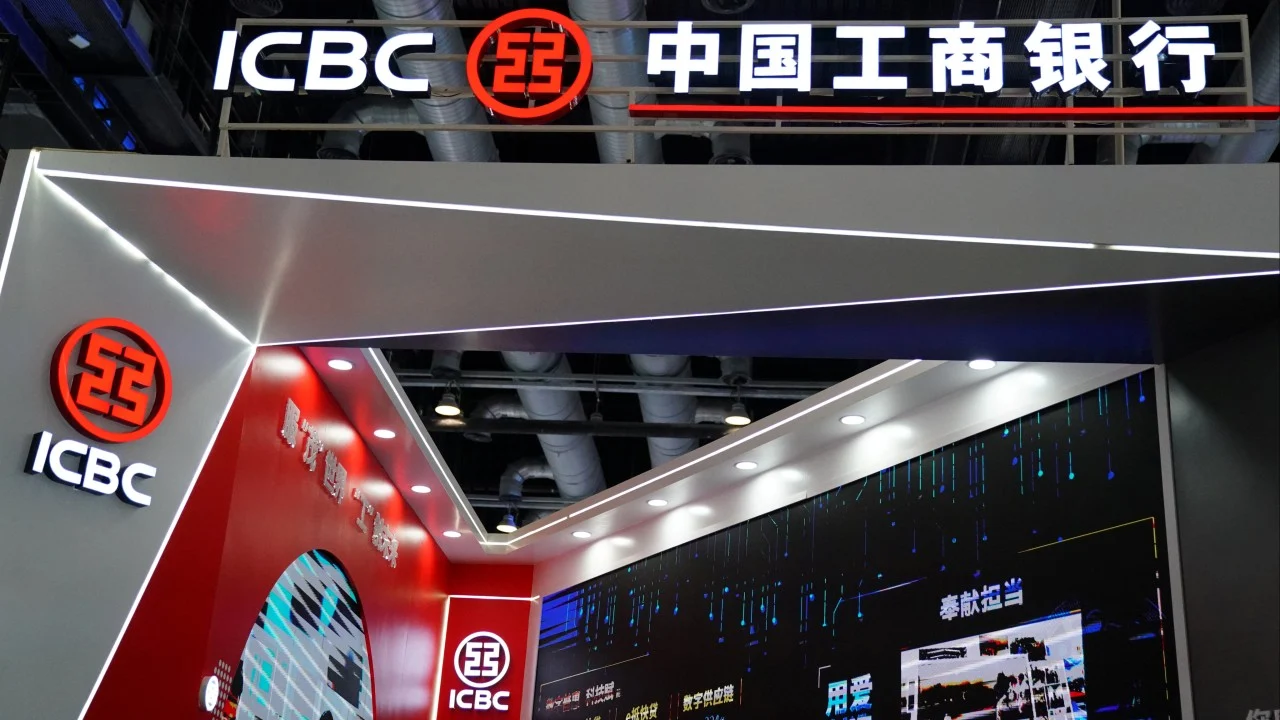
随着人工智能重塑金融行业,资产规模全球最大的贷款机构负责人表示,商业银行家面临的转型比央行同行“更加痛苦”。
As artificial intelligence reshapes the finance industry, commercial bankers are facing a “more miserable” transition than their central banking counterparts, the head of the world’s largest lender by assets said.
中国工商银行行长刘珺表示,央行关注的是监管与政策,而商业银行在大规模部署 AI 时,直接承担财务与法律责任。
Industrial and Commercial Bank of China president Liu Jun said that while central bankers focused on oversight and policy, commercial lenders bore direct financial and legal liability when deploying AI at scale.
“如果工行把 AI 工具……部署到不同业务条线,所有收益都计入 IT 资产负债表和利润表,那就意味着我要承担 AI 部署的责任,”刘珺周一在上海外滩金融峰会的圆桌讨论中表示。
“If [ICBC] deploys AI tools … towards different business lines, and all the benefits contribute to the IT balance sheet and income statements, it means I take the responsibility of the AI deployment,” Liu said during a panel discussion at the Shanghai Bund Summit on Monday.
“如果出了问题,我得赔偿受害人,并向市场给出最终交代。”他说,服务大众与实体经济的商业银行只能依赖成熟技术,但它们才刚踏入数字化转型,前路充满“我们永远不知道会发生什么”的不确定性。
“If something bad happens, I’m going to have to pay the victim and give the final answer to the market.”He said commercial banks, which served the public and industry every day, could only rely on well-established technology. Yet they were only just entering digital transformation, and the journey ahead was one where “we never know what’s going to happen”.
刘珺列举了 AI 与传统银行业的四大错位:披露、数据存储、主权与公信力。他指出,当开发者、部署者与使用者各自掌握不透明系统的不同环节时,界定责任是一大难题。
Liu cited four mismatches between AI and conventional banking: disclosure, data storage, sovereignty and credibility. He said a major hurdle was assigning liability when developers, deployers and users each handled distinct parts of an opaque system.
刘珺说,工行已部署数百个 AI 模型,在数据密集型工作中赋予它们更大自主权,同时让人工团队留守面向客户的一线岗位。
ICBC had deployed hundreds of AI models and given them more autonomy in data-heavy work,” Liu said, while keeping human teams in client-facing positions.
为降低操作风险,他表示工行推出了“效益举证”框架——一种将问责直接绑定到获取财务回报、在系统内作出独立决策者身上的方法。
To mitigate operational risks, he said ICBC had introduced a framework called the “proof of benefit” – an approach that directly tied accountability to those who reaped the financial returns and made independent decisions within the system.
同场圆桌上,香港金融管理局副总裁袁国恒呼应了刘珺的担忧,指出随着银行采用具备代理能力的 AI——能够规划并执行多步骤任务的系统——问责问题愈发凸显。
On the same panel, Arthur Yuen Kwok-hang, deputy chief executive of the Hong Kong Monetary Authority, echoed Liu’s concern about accountability as banks adopt agentic AI – systems that can plan and carry out multi-step tasks.
机构通常将一个申请拆分到六到八个代理中处理,他说,但如果每个代理和人类监督者只负责任务的一部分,“没有人对整体负责”。
Institutions typically split one application across six to eight agents, he said, but if each agent and the human supervisor were responsible for only part of the task, “nobody is responsible for the whole thing”.
为应对这些挑战,香港事实中央银行上周发布了一项更新的AI治理框架,聚焦于问责、韧性和信任。
To address such challenges, Hong Kong’s de facto central bank unveiled an updated AI governance framework focused on accountability, resilience and trust last week.
根据新框架,香港货币监理署(HKMA)将发布一份关于监管此类系统的讨论文件,探讨与意图挂钩的问责机制、材料AI代理的登记册以及干预方式。
Under the new framework, the HKMA will publish a discussion paper on supervising such a system, exploring accountability tied to intent, a registry of material AI agents and ways to intervene.
余先生表示,香港政府旨在营造一个金融机构能够安全“快速失败”的环境。
Yuen said the Hong Kong government aimed to foster an environment in which financial institutions could safely “fail fast”.
“作为监管者,我们变得更加促进性而非监管性,”他说。“如果你有想法,就去试试。”
“We, as supervisors, become more facilitative rather than regulatory,” he said. “If you have an idea, go in, test it out.”