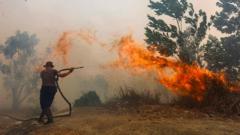
消防员们已经与这场顽固的火灾抗争了数周之久。——丽莎·坦布南(Liza Tambunan),印度尼西亚中加里曼丹地区记者,加文·巴特勒(Gavin Butler)报道当阳光照射在笼罩印度尼西亚婆罗洲的浓烟上时,一切都被染成了锈色:汽车、房屋和街道仿佛都隐藏在朦胧的红色雾气中,若隐若现。用“末日般的景象”来形容这一情况,再贴切不过了。
Firefighters have been battling the stubborn blaze for weeks now Liza Tambunan Indonesia correspondent Central Kalimantan Gavin Butler 6 minutes ago When the sun hits the smog enveloping Indonesian Borneo, it turns everything the colour of rust. Cars, houses and streets appear and disappear out of a dim russet fog. There are few better words than "apocalyptic" to describe the way this looks.
然而,真正让这位三个孩子的母亲迪安尼拉·埃卡·纳斯蒂蒂(Dianyra Eka Nastiti)感到恐惧的,却是夜晚的寂静与黑暗。
But it's at night, in the quiet darkness, that mother-of-three Dianyra Eka Nastiti grows most fearful. "Sometimes at night my baby's chest makes a rattling sound," she says.
“有时候晚上,我孩子的胸口会发出‘咔嚓咔嚓’的声音,”她说,“她出生仅一个半月时就被诊断出患有支气管肺炎,从那以后,我每晚都在担心:‘明天她还会咳嗽吗?’这种担忧一直伴随着我。”
"She was hospitalised for bronchopneumonia when she was just a month and a half old, and every single night I worry: Will my child cough tomorrow? "Those thoughts haunt me every night." Dastiti lives in Palangkaraya, at the frontline of a months-long environmental catastrophe that has blanketed large parts of Southeast Asia in a toxic haze.
纳斯蒂蒂住在帕朗卡拉亚(Palangkaraya)——这场持续数月的环境灾难的最前线。这场灾难已经导致东南亚大部分地区笼罩在有毒的雾霾之中。
Wildfires have torched some 1.9 million hectares across Indonesia since the start of the year, according to open-access satellite platform Nusantara Atlas – an area roughly the size of the US state of New Jersey, or the entire nation of Fiji. One million hectares are thought to have burned in September alone. But the toxic fallout is larger still.
根据公开可获取的卫星数据平台“Nusantara Atlas”的统计,自今年年初以来,印度尼西亚已有约190万公顷的森林被烧毁;其中仅9月份就烧毁了100万公顷的森林。
Swathes of smouldering forest, swamp and peatlands have turned the air thick with microparticles and carbon monoxide, creating a noxious cloud that has swaddled Indonesia and drifted as far as Singapore, Malaysia and the Philippines.
然而,这场灾难的后果更为严重:大片燃烧的森林、沼泽和泥炭地释放出大量微粒物和一氧化碳,使得空气变得极其有害。这些有害物质不仅笼罩了印度尼西亚,还扩散到了新加坡、马来西亚和菲律宾等地。
As of mid-October, Indonesia's Health Ministry had recorded more than 277,000 cases of people suffering from chronic coughs and acute respiratory infections. More than 62,000 of those were infants and toddlers under the age of five.
截至10月中旬,印度尼西亚卫生部已记录到超过27.7万人患有慢性咳嗽和急性呼吸道感染疾病,其中6.2万患者是5岁以下的婴幼儿。
"The forest fires have had a huge impact, especially on everyone's health," says 22-year-old Natari Victoria, who was admitted to a health centre in Palangkarya after suffering from a cough for more than a week.
“森林火灾对人们的健康造成了巨大影响,”22岁的娜塔丽·维多利亚(Natari Victoria)说。她因持续咳嗽一周多,不得不被送往帕朗卡拉亚的医疗机构接受治疗。
"I have young cousins, including babies, who are coughing too. It's really taking a toll on them." Dianyra Eka Nastiti is worried about how her children will recover Haze and smoke from peat fires contain a complex mixture of pollutants that pose serious health risks to the human body.
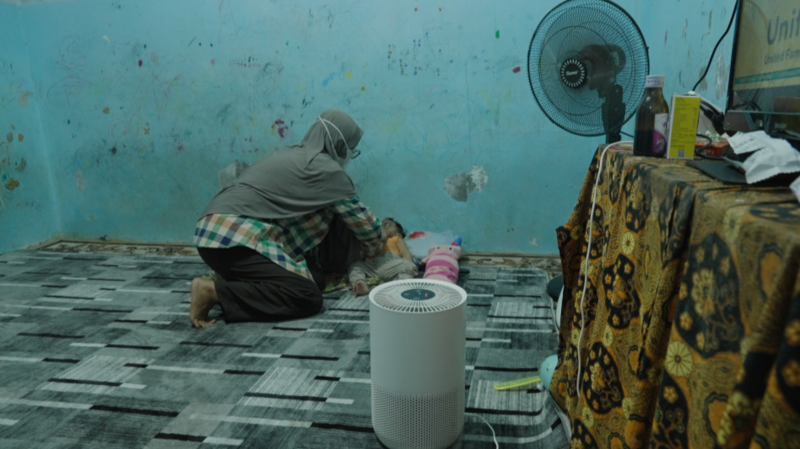
“我年幼的表亲们,包括婴儿,也在咳嗽。这对他们影响真的很大。”Dianyra Eka Nastiti 担心自己的孩子该如何恢复健康。泥炭火灾产生的霾和烟雾含有复杂的污染物混合物,对人体构成严重健康风险。
Among these are tiny microparticles which can penetrate deep into the lungs and, in some cases, enter the bloodstream, causing inflammation, chronic lung diseases and increased risk of premature death. Another concern is the toxic greenhouse gases that are being unleashed into the air.
其中包括微小颗粒物,它们能深入肺部,在某些情况下进入血液循环,引发炎症、慢性肺病并增加过早死亡的风险。另一个令人担忧的是释放到空气中的有毒温室气体。
"Here in Central Kalimantan, especially in Palangkaraya, the sky has turned yellow and hazy," says Riduan, head of the Palangkaraya Health Office. "So what are the residents actually breathing in?
“在中加里曼丹这里,特别是在巴朗卡拉亚,天空变得发黄、朦胧,”巴朗卡拉亚卫生局局长 Riduan 说。“那么居民们实际吸入的是什么?不是新鲜氧气,而是二氧化碳和污染物。结果会怎样?身体——具体来说是大脑——得不到足够的氧气。”儿童、老年人和孕妇对霾的危害特别敏感,尤其是在长时间暴露的情况下,健康影响会累积。
It's not fresh oxygen; it's carbon dioxide and pollutants. And what happens as a result? The body – specifically the brain – doesn't get enough oxygen." Children, older adults and pregnant women are particularly vulnerable to the dangers of haze, especially during prolonged periods of exposure, when the health impacts can accumulate. In places like Palangkarya, the official advice is to stay indoors and avoid going out. But Dastiti says this is unrealistic.
在巴朗卡拉亚这样的地方,官方建议是待在室内、避免外出。但 Dastiti 表示这不切实际。
"I still need to buy vegetables, stock up on food, purchase school supplies, and take care of other necessities," she explains.
她解释说:“我仍然需要买菜、囤食物、买学习用品,并处理其他必需品。这根本不可能做到,我觉得说这种话的人根本不知道这里实际发生了什么。”然而,Dastiti 的首要任务是孩子们的健康与安危。一旦霾情加重,她就会赶紧把孩子们赶回屋里。
"It's simply not possible, and I feel like the people who say things like that have no idea what is actually happening here." Dastiti's utmost priority, however, is the health and wellbeing of her children. And when the haze grows heavy, she is quick to force them inside. "With conditions being so unsafe, I have no choice," she says.
“由于环境极其危险,我别无选择,”她说,“我们的孩子本应该在公园里和朋友们玩耍、去上学,但他们现在却被关在家里。”37岁的洛拉·马西特里住在帕朗卡拉亚以北50公里(31英里)的拉曼格乡村。随着雾霾在过去几周内逐渐加重——从灰蒙蒙的尘土色变成了琥珀黄色,最近又变成了焦橙色——她和她的家人不得不大部分时间都待在室内。
"Our young children should be at the park, playing with their friends and going to school. Instead, they are locked inside the house." Lola Macitri, a 37-year-old who lives in the rural village of Ramang, 50km (31 miles) north of Palangkaraya, has been similarly housebound. As the smog has deepened over the past few weeks – from dusty grey to amber yellow and, more recently, burnt orange – she and her family have come to spend most of their time indoors.
她说,她的孩子们和其他生活在雾霾严重地区的孩子们一样,都在通过在线方式上课;而她和许多成年人则不得不在这种有毒的空气中勉强完成半天的工作。
Her children, like many others in Indonesia's more haze-affected areas, have been doing their school classes online, she says, while she and other adults struggle to manage half-a-day's work out in the poisonous air.
许多人因感到不适而前往医院就诊。无数以日薪为生的农民和小商贩同样被迫放弃自己的生计,或者冒着外出的风险继续工作。除此之外,许多人别无选择,只能等待这场“风暴”自行过去。
People have been turning up at hospitals after complaining of feeling sick from the toxic smog Countless farmers, daily-wage earners and small vendors have similarly been forced to either sacrifice their livelihoods or endure the risk of stepping outside. Beyond that, many are left with no choice but to wait out the storm.
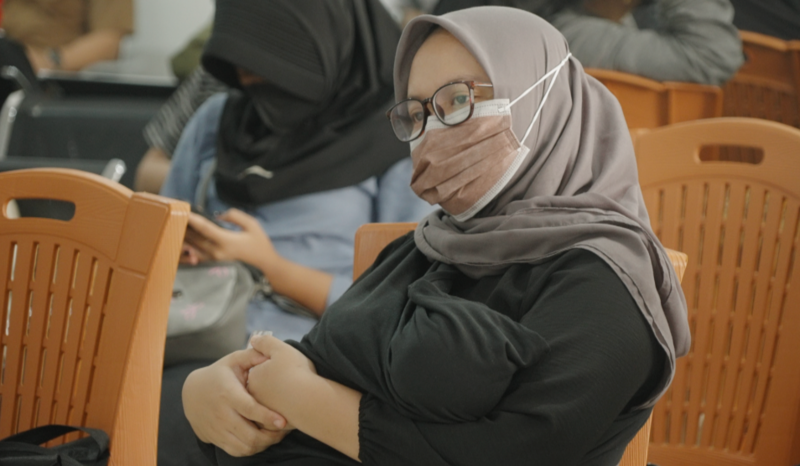
“如果你问我们是否害怕健康风险,当然害怕。但我们还能去哪里呢?”马西特里说,“我们只能忍受这一切,保持坚强,因为真的没有其他办法了。”政府面临着公众越来越大的压力,要求其采取更多措施来控制火灾;许多人批评政府的应对措施严重不足。
"If you ask whether we are afraid of the health risks, of course we are. But where else can we go?" says Macitri. "We just have to endure and stay strong through this situation, because there is simply no other option." The government is under mounting pressure from the public to do more to stop the fires, with many criticising what they see as a woefully inadequate response by the authorities.
当局坚称已经采取了多种措施来试图扑灭火焰、减少烟雾——从空中投水到尝试使用天气调控技术。上周,印度尼西亚政府表示已调派了超过6万名人员参与灭火工作,并声称在扑灭新发火灾方面取得了80%的成效。
Authorities insist they have pursued a range of measures to try to extinguish the flames and, in turn, the smoke – from aerial waterbombing to experimental weather modification. Last week, the Indonesian government said it had deployed more than 60,000 personnel to carry out a "land operation", claiming they'd achieved an 80% success rate in extinguishing new fires.
“在这种情况下,我认为我们需要利用所有安全且有效的手段来扑灭这些火灾,”印度尼西亚自然保护组织 Yayasan Konservasi Alam Nusantara(YKAN)的林业专家兼泥炭地研究员尼萨·诺维塔博士说道。
"At this point, I think we need to use every safe and effective option available to suppress the fires," says Dr Nisa Novita, a forestry expert and peatland researcher at Indonesian conservation NGO Yayasan Konservasi Alam Nusantara (YKAN).
“这就像试图拯救一艘正在下沉的船:我们必须立即采取行动,使用一切可用的工具,在还能控制局势的时候防止进一步的破坏。”然而,对于那些奋战在一线的救援人员来说,这些资源正在迅速耗尽。
"It's a bit like trying to save a sinking ship: we need to act urgently, use whatever tools can help, and prevent further damage while we still can." But those resources are fast depleting for responders on the ground.
过去 100 多天里,朱尼一直在与野火作斗争,但这些野火的火势似乎并没有减弱。表面上看,火焰已经熄灭了;但实际上,地下仍然有暗火在燃烧,不断侵蚀着厚厚的碳层、植被和泥炭层。
For more than 100 days, Juni has been fighting wildfires that show only false signs of abating. On the surface, the flames are out – but underground, smouldering blazes continue to burn through a deep understory of carbon, vegetation and peat.
“这真的让人精疲力竭,”他描述道,“浓烟导致我呼吸困难、持续咳嗽,眼睛也感到剧痛。”当被问及最需要什么时,他回答:“空气。”
"It is truly exhausting," he says, describing how the relentless smoke has produced in him a shortness of breath, a persistent cough and an unshakeable pain in his eyes. When asked what he needs, he says "air".
“雾霾让呼吸变得非常困难,”他解释道,“我们只希望能下大雨。”野火已经严重破坏了印度尼西亚中加里曼丹地区的生态环境;印度尼西亚和东南亚的其他地区也有成千上万的人在过去几个月里都在盼望着同样的降雨。
"The haze makes it hard to breathe," he explains. "We are just hoping for heavy rain." Wildfires have been devastating Indonesia's Central Kalimantan region Thousands of others across Indonesia and Southeast Asia have spent the past several months hoping for the same.
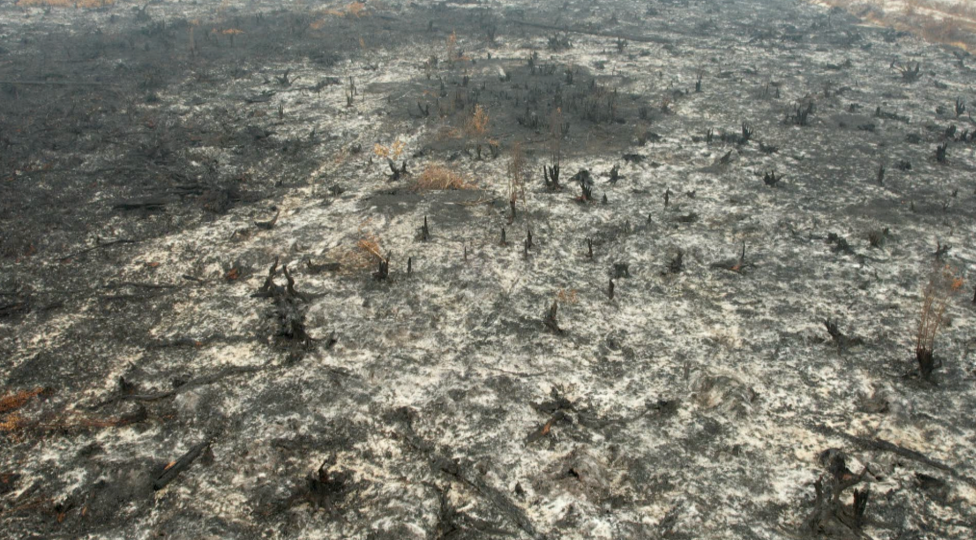
季节性野火在印度尼西亚并不罕见,但今年,所谓的“超级厄尔尼诺”现象加剧了干旱状况,推迟了能够有效扑灭泥炭火灾的降雨。这也使得像朱尼这样的救援人员的工作难度大大增加——他们已经与这场看似无法控制的火灾抗争了数月之久。
Seasonal wildfires are not new to Indonesia but this year, a so-called Super El Nino has amplified drought conditions and delayed the kind of rainfall that is critical to extinguishing peat fires. It has also made things exponentially harder for those at the coalface, like Juni, who have spent months battling a seemingly irrepressible fire front.
诺维塔博士指出,最近几周的情况变得更加恶劣,因为长期干旱导致水资源日益匮乏。
Dr Novita explains that conditions on the ground have become much harsher even in recent weeks, as the prolonged drought makes water increasingly scarce.
帕朗卡拉亚的另一位消防员福齐·拉赫曼也强调了这一点,他认为这是他和他的同事们面临的主要困难之一。
Fauzi Rahman, another firefighter in Palangkaraya, highlighted this as one of the main difficulties confronting him and his peers.
“泥炭地火灾很难扑灭,因为它们需要大量的水并且需要很长时间才能被控制住,”他说。“在普通的土地上,我们一天内就可以扑灭20公顷的火势,尤其是如果有大量人员参与的话……但在泥炭地上,可能需要几个月的时间才能完成。”
"Peatland fires are hard to put out because they require a lot of water and a long time," he says. "On regular land we can clear 20 hectares in a single day, especially with a large team... On peatland, it can take months.
“我们真的必须将水注入地下深处,直到泥炭层的底部,而这需要大量的水资源。然而,目前水资源非常紧张。”让诺维塔博士更加担忧的是,她的团队报告称,火灾正在蔓延到那些以前从未发生过火灾的地区。
"We really have to inject water deep down, all the way to the bottom, which requires a huge amount of water. And right now, water is hard to find." What's more concerning for Dr Novita, however, is that her team has reported fires spreading into areas where there has been no history of fire before.
“因此,我们不仅面临着那些常见的火灾热点区域,还发现新的火灾正在出现,”她说。
"So we're not only dealing with fires in the usual hotspots but also seeing them emerge in new areas," she says.
在帕朗卡拉亚,人们迫切希望这场灾难能够结束。不过,要实现这一目标,很可能需要自然力量的介入。
In Palangkaraya, people are growing desperate for an end to this apocalypse. But it will likely take a force of nature for that to happen any time soon.
帕朗卡拉亚卫生局局长里杜安告诉BBC:“希望在社会、军队和警方的共同努力下,这些火灾能够被扑灭。”
Riduan, head of the Palangkaraya Health Office, tells the BBC that "hopefully, with all the extraordinary efforts from the community, the military, and the police working together, the fires can be put out".
“不过,目前火灾仍在持续蔓延,”他补充道,“那么我们还能期待什么呢?我们最大的希望就是万能的上帝能尽快降下雨水。”亚洲·印度尼西亚
"However, as of right now, the fires are still burning," he adds. "So what can we hope for? Our greatest hope is that Almighty God will bring us rain soon." Asia Indonesia