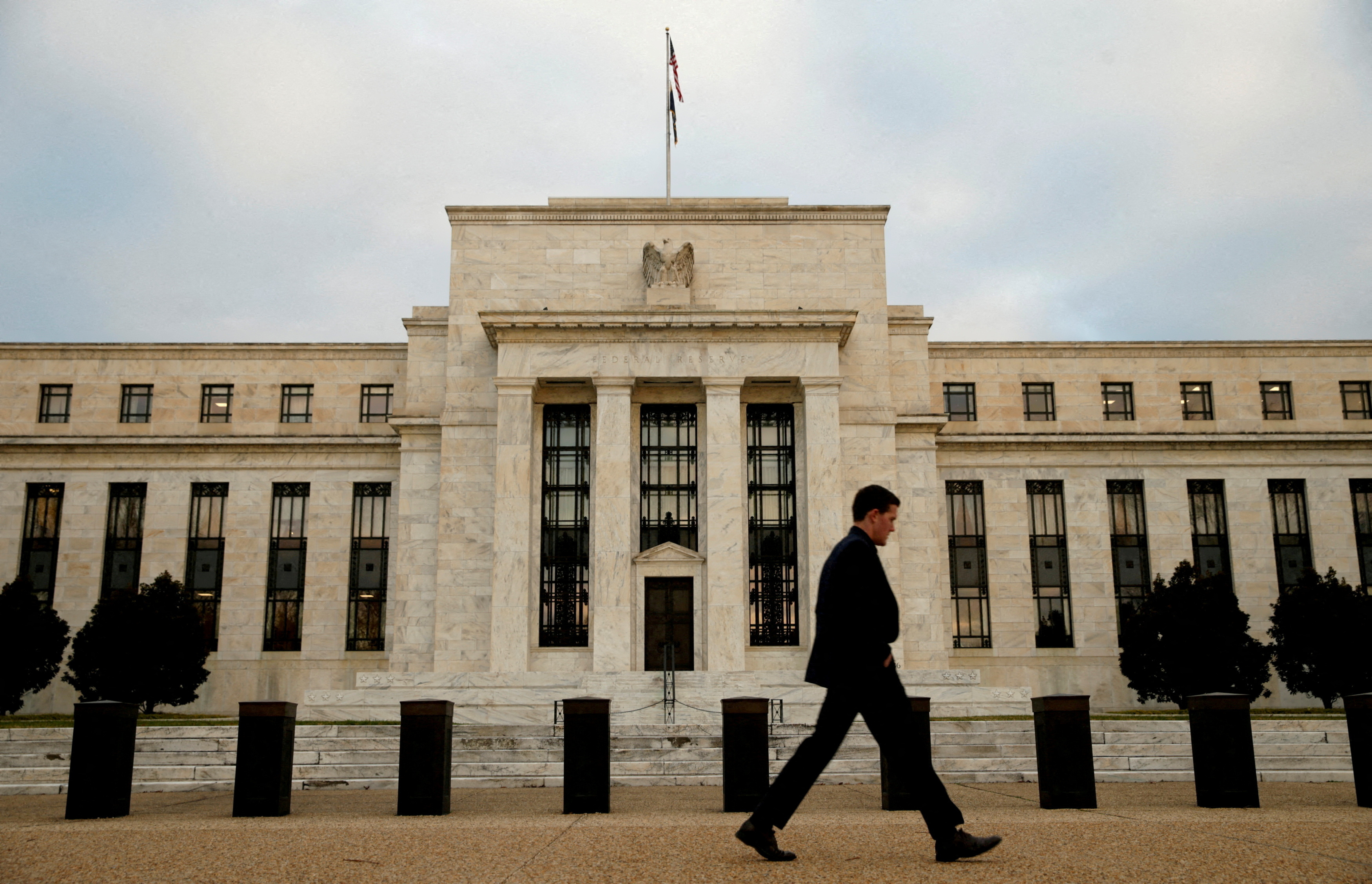
美联储理事凯文·沃什并非因提高利率而获提名,但他还是这么做了。现在,现金投资者正在询问为何货币市场基金收益率滞后。答案在于运作机制,而非故障。
Reserve Chair Kevin Warsh wasn't nominated to raise rates, but he did so anyway. Now, cash investors are asking why money market fund yields have lagged. The answer is mechanics, not malfunction.
沃什及其在联邦公开市场委员会(FOMC)的同僚或许感受到了来自白宫、债券市场和关注物价的消费者的压力,要求维持利率稳定,但他们最终不得不顺从数据,数据显示经济足够健康,足以维持高于2%目标的通胀。他们上个月几乎别无选择,只能将目标区间上调至3.75%-4.00%。
Warsh and his colleagues on the Federal Open Market Committee (FOMC) may have felt pressure from the White House, the bond market and price-conscious consumers to keep interest rates steady, but they ultimately had to acquiesce to data showing that the economy was healthy enough to sustain inflation above the 2% target. They had little choice last month but to lift the band to 3.75-4.00%.
必须给沃什肯定——这并非许多人对他预期的结果,但他做了数据要求的事。
You must give Warsh credit — it wasn't the outcome many expected from him, but he did what the data demanded.
在利率上行的背景下,你本可能预期资金会涌入货币市场基金(MMF)。但事实上,根据投资公司协会(ICI)的数据,截至9月30日当周,货币市场基金总资产减少了454.5亿美元,降至7.89万亿美元。
Against that backdrop of rising rates, you might have expected capital to flood into money market funds (MMFs). But, in fact, total MMF assets decreased by $45.45 billion to $7.89 trillion, as of the week ending September 30, according to the Investment Company Institute (ICI).
这反映出并非所有类现金工具都以相同速度重新定价。的确,当美联储上调政策利率时,隔夜市场、政府拍卖和浮动利率证券的收益率几乎可以立即调整。然而,货币市场基金的收益率通常需要更长时间才能追上。
This reflects the fact that not all cash-like instruments reprice at the same speed. It is true that when the Fed raises its policy rate, yields across overnight markets, government auctions and floating-rate securities can adjust almost immediately. Yet the yield on a money market fund usually takes longer to catch up.
但这种滞后以及理性投资者的反应,并非市场出现故障或失去投资者青睐的迹象。相反,它们是这些投资组合构建方式的正常后果。
But this lag and the logical investors' response are not signs that the market is malfunctioning or losing favor with investors. Rather, they are a normal consequence of how these portfolios are constructed.
回购协议(回购)利率及其他与联邦基金利率紧密挂钩的工具几乎可以立即重置,因为它们是直接与联邦基金目标区间挂钩的隔夜利率。
Repurchase agreement (repo) rates and other instruments closely linked to the federal funds rate can reset almost immediately because they are overnight rates tied directly to the federal funds target range.
货币市场基金的运作方式则有所不同。货币市场基金并非单纯跟踪隔夜利率,而是持有一个由短期证券组成的多元化投资组合,这些证券是在不同时间点以不同到期日买入的。部分持仓可能在明天到期,其他则可能在数周或数月后到期。这被称为“阶梯策略”。当美联储加息时,货币市场基金持有的现有证券不会突然开始按新的、更高的市场收益率付息。这一过程需要时间。相反,随着证券到期,基金将所得收益再投资于新发行的、反映当前较高利率环境的证券。
A money market fund works differently, however. Rather than simply tracking an overnight rate, a fund owns a diversified portfolio of short-term securities purchased at different points in time and with different maturity dates. Some holdings may mature tomorrow; others in several weeks or months. This is referred to as the "laddered strategy." When the Fed raises rates, the existing securities held by MMFs do not suddenly start paying the new, higher market yield. That process takes time. Instead, as they mature, the fund reinvests the proceeds in newly issued securities offering rates that reflect the now higher-rate environment.
视投资组合的加权平均期限和市场状况而定,加息传导至货币市场基金收益率大约需要三到四周时间。基金实际上是在爬阶梯,或者可以说是爬楼梯,而不是乘电梯直达顶层。
Depending on the portfolio's weighted-average maturity and market conditions, it can take roughly three to four weeks for a rate increase to work its way through to an MMF's yield. The fund is effectively climbing a ladder, or a staircase if you will, rather than shooting to the top in an elevator.
这也解释了为何同一机制在降息时会反向运作。如果美联储降息,隔夜工具会迅速向下重新定价,而货币市场基金在某些情况下可能会继续受益数周,享受此前以较高收益率买入的证券带来的收益。这使得货币市场基金对投资者具有吸引力,并有助于解释为何它们在降息后能吸引短期资金流入。
This also explains why the same mechanism operates in reverse. If the Fed cuts rates, overnight instruments reprice downwards quickly, while an MMF may continue to benefit, in some cases for weeks, from securities previously purchased at higher yields. That can make MMFs attractive to investors and helps explain why they can attract short-term inflows after a rate cut.
当前的高利率环境为机构投资者提供了更广泛的、具有吸引力的流动性管理场所。货币市场基金及其他类现金工具(如国库券和直接回购协议),可让寻求满足特定流动性要求的财务主管将风险敞口分散在广泛的高质量发行人身上,而非仅依赖一两家发行人。
Today's higher-rate environment provides institutional investors with a much broader range of attractive places to maintain liquidity. MMFs and other cash-like instruments, such as Treasury bills and direct repo, can let treasurers seeking certain liquidity requirements spread exposure across a wide range of high-quality issuers, rather than just relying on one or two.
在现金已实实在在地以主动配置的方式占据投资组合一席之地的时代,现在的问题是现金究竟该放在何处。
In an era where cash very much has a place in portfolios in an active sense, the question now is where exactly that cash should sit.
隔夜存款或许操作简便,但也会使投资者面临特定银行的风险敞口。直接回购协议能提供有吸引力的利率和高质量抵押品,但要求具备交易和管理这些头寸所需的基础设施和专业知识。国库券提供对美国政府证券的直接敞口,但要求投资者自行管理到期日和再投资事宜。
An overnight deposit may offer operational simplicity, but it also creates exposure to a particular bank. Direct repo can provide an attractive rate and high-quality collateral but requires the infrastructure and expertise to transact and manage those positions. Treasury bills provide direct exposure to US government securities but require investors to manage maturities and reinvestment themselves.
当利率接近零时,许多现金工具之间的差异可能感觉相对微不足道。现金本身常被视为临时停放之地,是投资者在等待将资金投往他处时持有的资产。较高的利率改变了这一局面,投资者因持有流动性而获得了实质性补偿。
When interest rates were close to zero, the differences between many cash instruments could feel relatively inconsequential. Cash itself was frequently viewed as a temporary parking place, something investors held while waiting to put capital to work elsewhere. Higher rates have changed that, and investors are being compensated meaningfully for liquidity.
但利率走高且波动加大,也意味着短端收益率曲线上的相对价值可能快速变化。当前的挑战在于如何跟上这种变化。
But having higher and more variable rates also means that the relative value available across the short end of the curve can move quickly. The challenge now is to keep up.