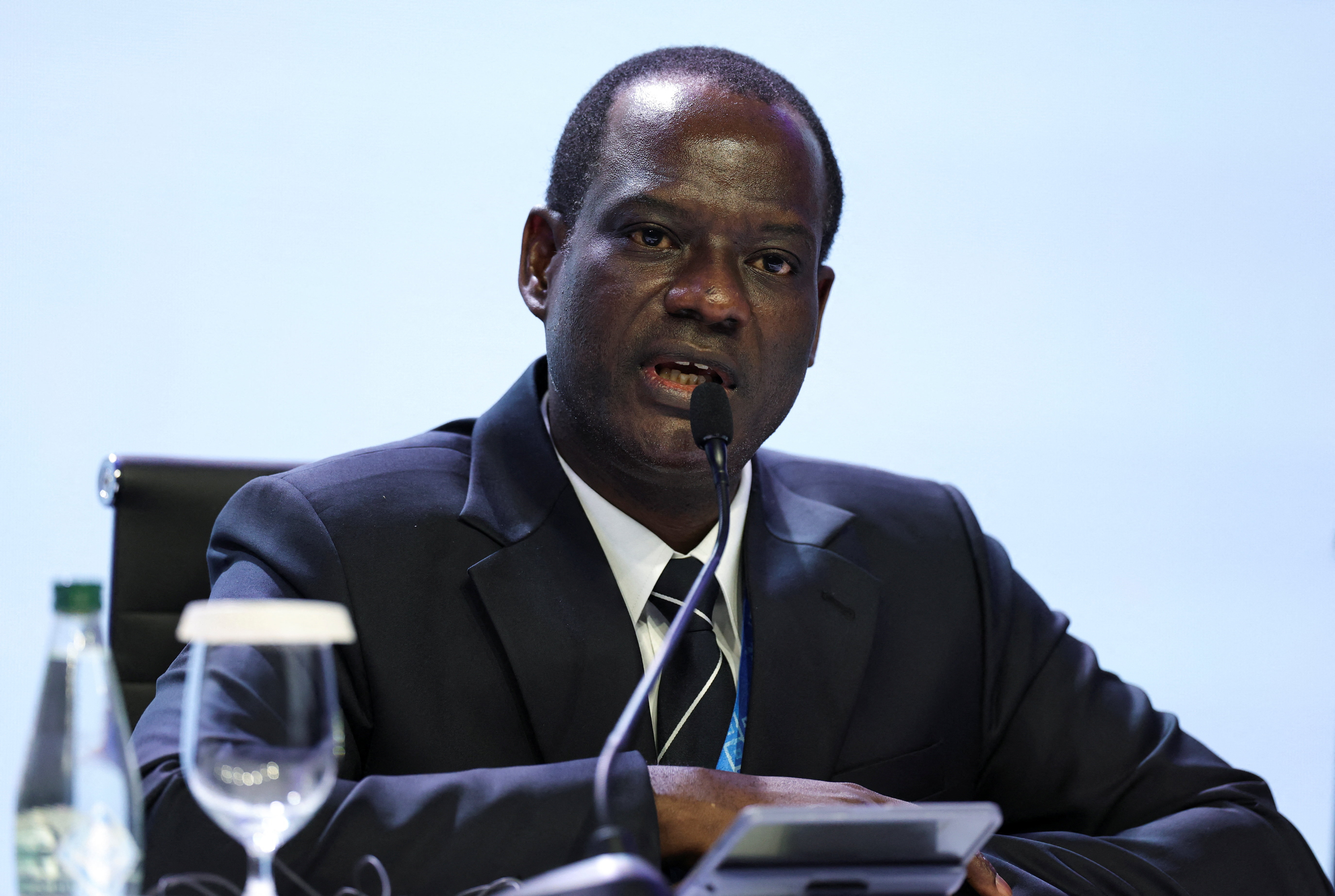
尼日利亚财政部长泰沃·奥耶德莱(Taiwo Oyedele)周三表示,该国在下一阶段的增长中将越来越多地依赖国内外的私人投资者来提供资金,而不是继续依赖政府借贷;同时,政府也排除了重新实施汽油补贴的可能性。
Nigeria will increasingly turn to private investors at home and abroad to finance its next phase of growth rather than relying on state borrowing, Finance Minister Taiwo Oyedele said on Wednesday, while ruling out any return to petrol subsidies.
奥耶德莱在查塔姆研究所(Chatham House)举办的一场活动中指出:“下一阶段的增长将依靠国内外的私人资本来推动,而不是通过增加政府借贷来实现。”
"The next phase of growth will be financed by private capital, domestic and foreign, and not by the state borrowing more," Oyedele said during an event at think tank Chatham House.
尼日利亚长期以来一直依赖借贷来维持经济发展,但这种状况即将结束。他补充说:“汽油补贴已经取消,并且这种政策不会被重新恢复。”
Nigeria had been living on "borrowed money, and increasingly, borrowed time", but that was coming to an end. "The petrol subsidy is gone and it is staying gone," he added.
他还表示,目前尼日利亚的通货膨胀率已从一年前的21%下降至14.63%,未来几个月内通胀率需要进一步降至“个位数水平”。
Oyedele also said inflation, which has fallen to 14.63% from 21% a year ago, needed to reach "low single digits over the next coming months."