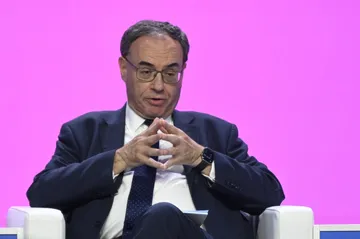
英格兰央行行长安德鲁·贝利表示,他为时任美联储主席杰罗姆·鲍威尔抵御唐纳德·特朗普的攻击是正确的,如果重来一次他还会这样做。
Bank of England Governor Andrew Bailey said he was right to defend then-Federal Reserve Chair Jerome Powell from Donald Trump’s attacks and would do so again.
贝利周三发言称,他和其他央行行长之所以选择发声,是因为美国总统开始针对鲍威尔“个人”发起攻击,而非针对该机构的政策。
Speaking on Wednesday, Bailey said he and other central bank chiefs were prompted to speak out because the US president had started to take aim at Powell “as a person” rather than the policy of the institution.
贝利在官方货币金融机构论坛组织的一场关于央行独立性的线上活动中表示:“只有当我认为这是对他个人和人格的攻击时,我才发表了评论。我把杰伊视为朋友。他是一位正直无比的人。当时做出‘抱歉,我们要站在朋友这边’的反应是正确的,你们知道我还会再这么做一次。”今年早些时候,在特朗普向美联储发出传票、以总部翻修为由威胁刑事起诉后,贝利与包括欧洲央行和加拿大央行行长在内的其他央行负责人签署了一封联名信,宣布对鲍威尔表示“完全声援”。这一举动被广泛视为试图胁迫美联储的尝试,特朗普曾多次抱怨利率过高。
“I only commented when I felt it was an attack on his person and the personality of a friend,” Bailey said in an online event on central bank independence organized by the Official Monetary and Financial Institutions Forum. “I count Jay as a friend. He’s a man of the utmost integrity. It was the right reaction at that time to say, ‘I’m sorry, we are going to stand by our friend,’ and you know I would do the same again.”Earlier this year, Bailey and other central bank heads including those at the European Central Bank and the Bank of Canada signed a coordinated letter declaring “full solidarity” with Powell after Trump served the Fed with subpoenas threatening a criminal indictment over renovations to its headquarters. The move was widely seen as an attempt to coerce the Fed, with Trump repeatedly complaining that interest rates were too high.
贝利此前曾表示,他对特朗普攻击美联储官员“非常担忧”,警告称央行独立性的任何削弱都可能波及世界其他地区。
Bailey had previously said he was “very concerned” by Trump’s attacks on Fed officials, warning that any erosion of central bank independence could spill over to the rest of the world.
随着英格兰央行官员准备于11月初做出下一次利率决定,行长避而不谈当前的货币政策辩论。经济学家和投资者普遍预期将加息25个基点,以应对中东冲突引发的通胀飙升。
The governor steered clear of commenting about the current monetary policy debate as BOE officials prepare for their next interest-rate decision in early November. Economists and investors are widely expecting a quarter-point hike to fight the inflation surge triggered by the Middle East conflict.