前中国外交官警告称,欧盟认为中国正在其贸易施压战术下屈服,这是“严重误判”,因为北京在去年与美国的关税战中已证明,它不会在对抗中退让。
The European Union’s perception that China is yielding to its pressure tactics on trade is a “serious misjudgment”, as Beijing proved during last year’s tariff war with the United States that it will not back down from a confrontation, a former Chinese diplomat has warned.
本月初,北京在与欧盟的贸易谈判中表现出妥协意愿——双方就中国混合动力汽车对欧出口配额达成一致——这被布鲁塞尔部分人士视为其强硬路线奏效的信号,从而引发要求进一步采取行动的呼声。
Beijing’s willingness to compromise during trade talks with the EU earlier this month – where the two sides agreed a quota on Chinese hybrid car exports to Europe – has been taken by some in Brussels as a sign that their tougher approach is working, leading to calls for further action.
但曾在2000年代担任驻印度和驻牙买加外交官的崔洪建指出,实际上,中国这样做仅是出于维护其与欧洲庞大双边经贸关系的意愿,进一步的挑衅可能会对欧盟产生反噬效应。崔洪建现任北京外国语大学欧盟与区域发展研究中心主任。
But in reality, China only acted out of a willingness to safeguard its vast bilateral economic ties with Europe, and further provocations could backfire on the EU, according to Cui Hongjian, who served as a diplomat in India and Jamaica during the 2000s.
“中国愿意就电动汽车出口限制等问题与欧盟达成协议,不是因为我们惧怕欧洲,也不是因为我们只对压力做出反应,”崔洪建周四在四川省省会成都举行的第十九届欧中企业技术合作交易会上表示。
“China’s willingness to reach agreements with the EU on electric vehicle export restrictions and other issues is not because we fear Europe, nor because we only respond to pressure,” said Cui, who now serves as director of the Centre for EU and Regional Development Studies at Beijing Foreign Studies University.
“中国从不主动惹事,但也不怕事。即使在美国巨大的贸易压力下,中国也没有妥协,也没有低头,”他说。
“China has never sought trouble, but neither has it shied away from it. Even under enormous trade pressure from the United States, China has neither compromised nor bowed down,” he said during the 19th Europe-China Business and Technology Cooperation Fair in Chengdu, capital of China’s southwestern Sichuan province, on Thursday.
崔洪建援引了欧盟委员会主席冯德莱恩的言论。冯德莱恩欢迎近期与北京贸易谈判取得的突破,但表示布鲁塞尔将继续谈判,同时准备采取更严厉措施,以解决持续存在的贸易失衡问题。
Cui pointed to remarks by European Commission President Ursula von der Leyen, who welcomed recent breakthroughs in trade talks with Beijing but said Brussels would continue negotiations while preparing tougher measures to address persistent trade imbalances.
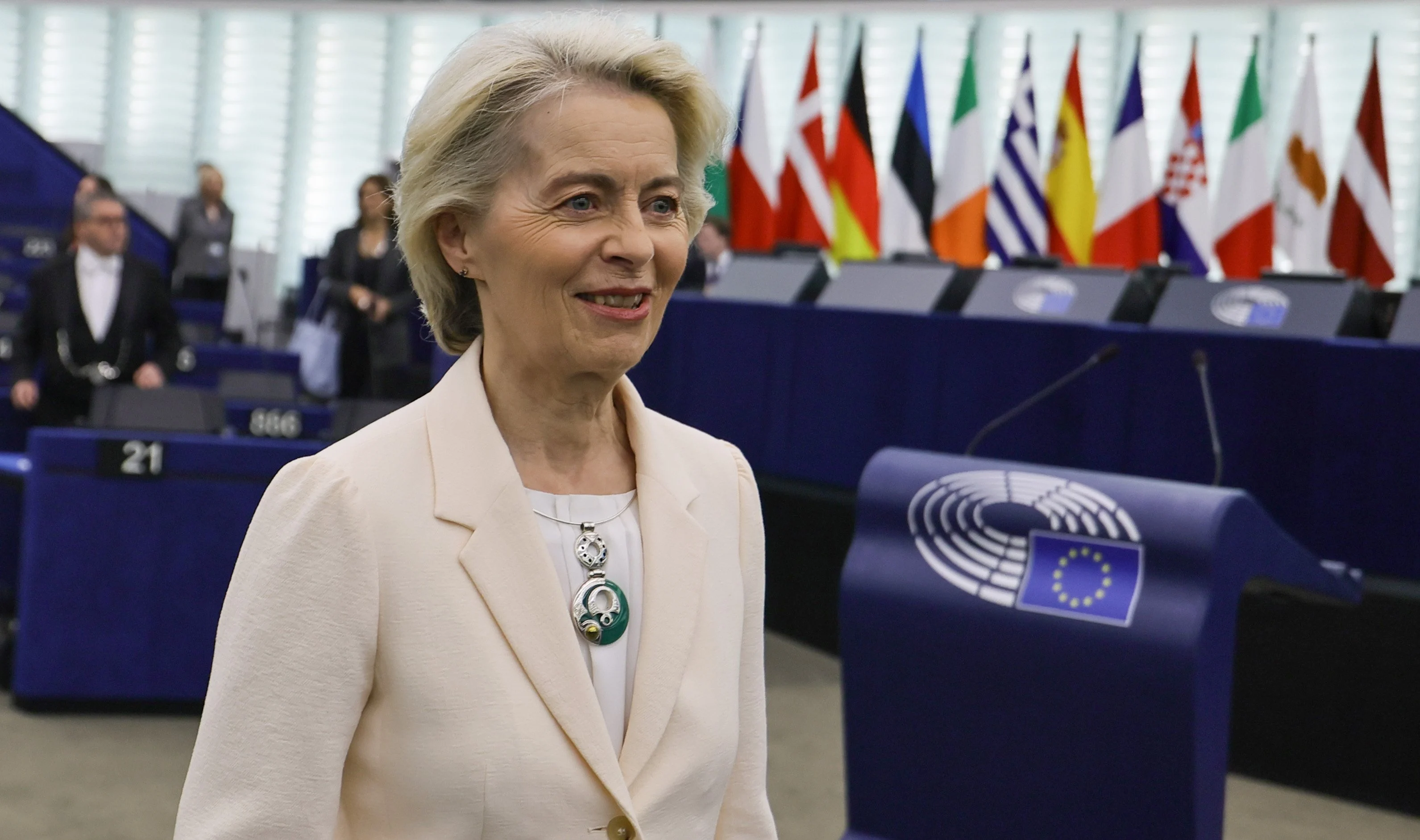
冯德莱恩周三在欧洲议会发言时表示,当对话未能产生成果时,欧盟必须准备好部署贸易防御工具。
Speaking to the European Parliament on Wednesday, von der Leyen said the EU must be ready to deploy trade defence instruments when dialogue failed to produce results.
布鲁塞尔的其他人士也在谈判与贸易保护措施之间建立了类似的联系。欧洲议会国际贸易委员会主席贝恩德·朗格在上周的一条社交媒体帖文中表示:“持续谈判和有效保障措施是同一战略的两面。”
Others in Brussels have made a similar link between negotiations and trade protection measures. “Continued negotiations and effective safeguards are two sides of the same strategy,” said Bernd Lange, chairman of the European Parliament’s committee on international trade, in a social media post last week.
在这场为期三天的年度活动上,崔天凯表示,布鲁塞尔的政策制定者不应误读北京在贸易谈判中的意图。
At the annual three-day event, Cui said policymakers in Brussels should not misread Beijing’s intentions in trade negotiations.
他补充道:“中国的行动源于维护其与欧盟广泛经贸关系、深化绿色和数字产业合作的意愿,而非出于对任何人的恐惧。”
“China is acting out of a desire to preserve its extensive trade and economic ties with the EU and deepen cooperation in green and digital industries, not out of fear of anyone,” he added.
崔天凯还指出,中欧之间的经济差异——布鲁塞尔近年来日益强调这一点——并非新事物,自双方四十多年前开始建立经贸关系以来就已存在。
Cui also argued that the economic differences between China and Europe – increasingly emphasised by Brussels in recent years – were nothing new, having existed since the two sides began building economic ties more than four decades ago.
他说:“差异不必然导致分歧,分歧也不必演变为竞争。”他补充称,如果双方愿意管控这些张力,而非任由其升级为破坏性的对抗,这些张力反而能推动对话与合作。
“Differences do not necessarily lead to disagreements, nor must disagreements turn into competition,” he said, adding that such tensions could instead drive dialogue and cooperation if both sides were willing to manage them rather than allow them to escalate into destructive rivalry.
崔天凯将欧洲对其与中国深化经贸关系日益感到的不安比作“婚前恐惧症”,认为布鲁塞尔不愿超越传统贸易关系,迈向更紧密的产业、投资和技术合作。
Cui likened Europe’s growing unease over its deepening economic ties with China to “pre-wedding jitters”, arguing that Brussels was hesitant to move beyond traditional trade ties towards closer industrial, investment and technological cooperation.
他说:“如果中欧正从‘恋爱’走向‘结婚’,欧洲似乎临阵退缩了。”他还表示,更深度的融合可能比布鲁塞尔担心的更有回报。
“If China and Europe are moving from dating to marriage, Europe seems to be getting cold feet,” he said, adding that deeper integration could prove more rewarding than Brussels feared.
他还为中欧在绿色和数字产业的合作提出了一种新模式,即颠覆双方传统角色,由中国提供资本和技术,欧洲提供劳动力和市场准入。
He also proposed a new model for China-EU cooperation in green and digital industries, reversing their traditional roles by having China provide capital and technology while Europe contributes labour and market access.