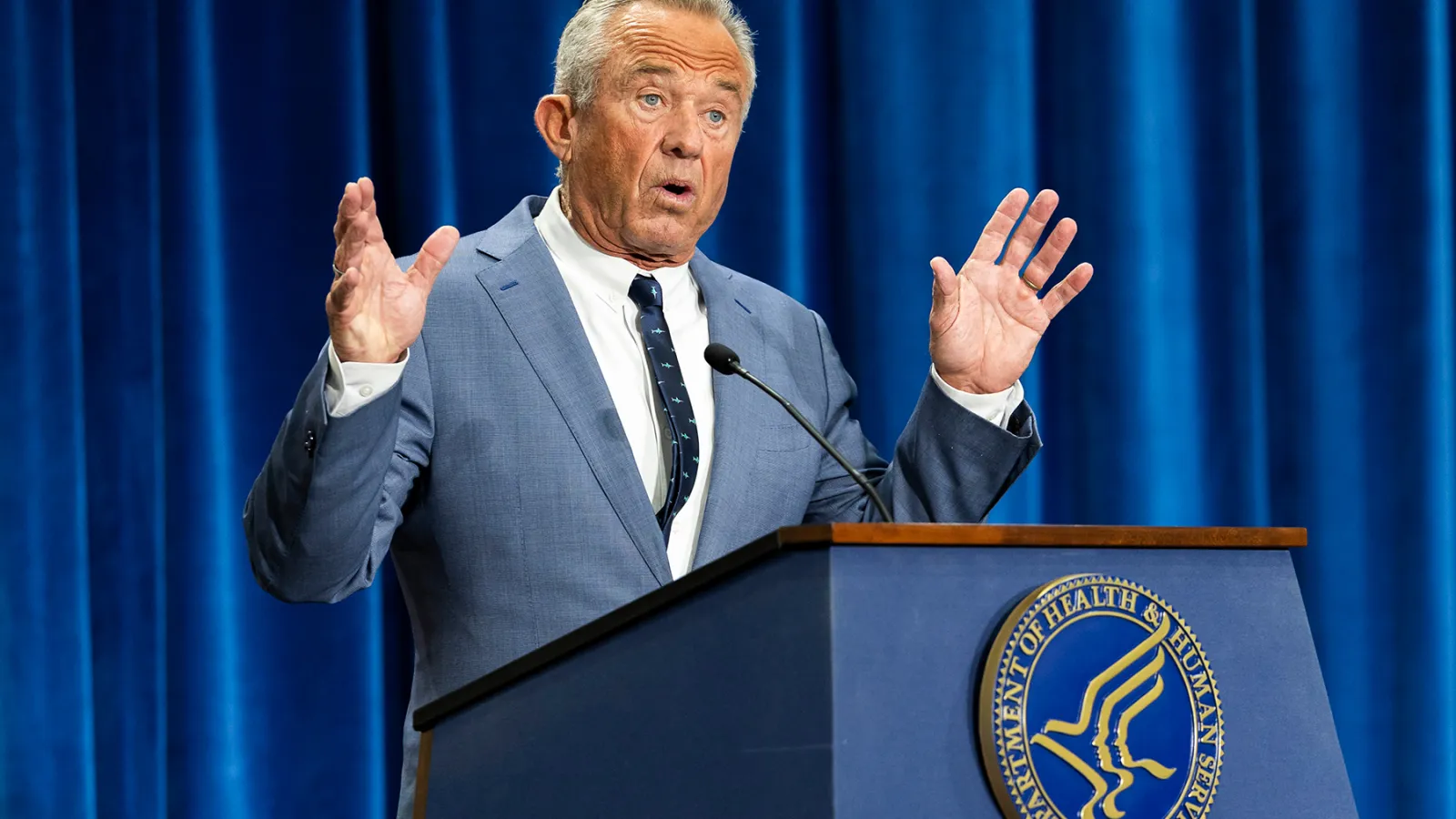
在全球对伦理问题的强烈谴责、美国国会委员会要求解释、丹麦伦理委员会成员辞职以及《滚石》杂志等媒体持续报道之后,由美国卫生部长罗伯特·F·肯尼迪 Jr. 倡导、计划由美国疾病控制与预防中心资助的几内亚比绍乙肝疫苗临床试验,一名丹麦研究人员周三在该研究人员弗雷德里克·施尔茨-布赫霍尔泽尔(Frederik Schaltz-Buchholzer)的推文中宣布,该试验“将不继续”。
After a global outcry over ethics, a demand for answers from a U.S. congressional committee, resignations from a Danish ethics board, and sustained reporting from Rolling Stone and other news outlets, a hepatitis B vaccine clinical trial in Guinea-Bissau that was championed by Health Secretary Robert F. Kennedy Jr., and was to be funded by the Centers for Disease Control and Prevention, will “not proceed,” one of the Danish researchers announced Wednesday on The study failed to get the “necessary government approval” from Guinea-Bissau health authorities, the researcher Frederik Schaltz-Buchholzer wrote.
该试验原本计划向仅有 14,000 名新生儿中一半,即 7,000 名婴儿提供救命的乙肝疫苗出生剂量,尽管几内亚比绍近五分之一的成年人已感染该病毒,该研究引发公共卫生专家将其与臭名昭著的持续 40 年的塔斯基吉梅毒研究相比较,该研究曾拒绝向非裔美国受试者提供梅毒治疗。
The trial, which would have provided a lifesaving hepatitis B vaccine birth dose to only half of 14,000 newborns enrolled in the study, despite almost one in five adults in Guinea-Bissau being infected with the disease, led public health experts to liken it to the infamous 40-year Tuskegee study, which withheld syphilis treatment from African American study subjects.
丹麦南丹麦大学的主要研究人员克里斯汀·斯塔贝尔·本(Christine Stabell Benn)和彼得·阿比(Peter Aaby)长期以来因他们对疫苗可能产生的非特异性(即难以明确具体影响的)危害效应的研究而受到肯尼迪(Kennedy)的赞扬,但他们始终拒绝接受这些批评。直到10月17日,他们仍坚称:没有任何儿童会因此而无法接种本应接种的疫苗;因为在几内亚比绍,乙型肝炎疫苗的新生儿接种计划要到2028年才会正式实施。
The lead Danish researchers, Christine Stabell Benn and Peter Aaby at the University of Southern Denmark, long lauded by Kennedy for their research into the nonspecific and possibly harmful effects of vaccines, persistently rejected that criticism. As recently as Oct. 17, they argued that no child would be deprived of a vaccine they would otherwise get, as the hepatitis B birth dose won’t become standard in Guinea-Bissau until 2028: “In fact, the study expands access to hepatitis B vaccine while it is not yet part of the national program,” they wrote.
他们写道:“事实上,这项研究实际上扩大了乙型肝炎疫苗的接种范围——尽管该疫苗目前尚未被纳入国家免疫计划。”他们强调,这一研究的目的与那些声称该研究会剥夺儿童接种机会的说法完全相反。他们指出,该研究方案是在世界卫生组织提出批评后于8月份修订的;修订后的方案会对准妈妈进行乙型肝炎检测,并为所有6周龄以上的婴儿提供疫苗。
“This is quite different from the frequently repeated suggestion that the trial takes vaccines away from children” The protocol, which they revised in August after World Health Organization criticism, would screen prospective mothers for hepatitis B, provide vaccine doses for all participants starting at six weeks of age, and was conceived independently of Kennedy, they emphasized.
不过,乙型肝炎专家指出,这种做法仍会让新生儿面临感染风险,从而可能导致肝硬化或肝癌等终身健康问题。
But it would still leave newborns at risk of infection that could lead to lifelong consequences of cirrhosis or liver cancer, hepatitis B experts say.
《滚石》(Rolling Stone)杂志1月份首次曝光的美国疾病控制与预防中心(CDC)内部邮件显示,这项在几内亚比绍进行的研究是肯尼迪在CDC内部的支持者的“优先资助项目”。他们通过非招标方式推动了这项研究的实施,这一做法在CDC内部引发了警觉。此外,该研究从未经过CDC伦理委员会的全面审查——而这一审查过程虽然耗时,但却是保护受试者安全的必要环节。
Internal CDC emails first reported by Rolling Stone in January showed that the Guinea-Bissau study was a “funding priority” for Kennedy’s allies inside CDC. They pushed through the study as a no-bid contract, sparking alarm within the agency. As well, the study never underwent a full review by a CDC ethics board, a time-consuming but customary process, designed to protect human subjects.
批评者担心肯尼迪会利用这项研究来推动自己终止美国新生儿乙型肝炎疫苗接种计划的努力,尽管数十年来该疫苗已被证明是安全有效的。就在上周,《滚石》杂志再次报道称,即使研究方案已经修订,这项研究仍然属于不道德的行为。
Critics feared Kennedy would use the study to help support his efforts to end the hepatitis B vaccine birth dose in the United States, despite being proven safe and effective for decades. Just last week, WHO stated that even with a revised protocol, the study remained unethical, Rolling Stone was first to report.
当几内亚比绍政府本周拒绝批准这项研究时,该研究已经成为了肯尼迪领导的疾病控制与预防中心(CDC)在医学伦理方面存在严重问题的象征,以及资金被滥用的一个例证。“肯尼迪部长及CDC的政治领导层滥用CDC的资金来支持一个毫无科学依据、且可能对儿童造成伤害、甚至延误治疗的项目,这一行为应当由国会进行审查,”CDC的前首席医疗官黛布拉·霍里博士表示。
By the time the Guinea-Bissau government refused to greenlight it this week, the study became a symbol of cratered medical ethics and misuse of funds by Kennedy’s CDC. “The overreach by Secretary Kennedy and CDC political leaders to use CDC funding for a project with no scientific merit that could result in harm and delayed treatment of children should be reviewed by Congress,” says the CDC’s former chief medical officer Dr. Debra Houry.
“这些宝贵的联邦资金本应被用于应对真正的健康威胁。”今年2月,《滚石》杂志曾报道了有关该研究在伦理审查方面存在违规行为的消息:一份批准文件的签名是在相关医疗官员不知情、也未获得其同意的情况下被添加的,这一事件导致南丹麦大学暂停了该研究的试验。
“Use of these scarce federal funds should be focused on health threats as intended.”In February, Rolling Stone reported on revelations about irregularities in the Guinea-Bissau ethics review, including a signature on an approval letter used without the knowledge or consent of the named medical official, which led the University of Southern Denmark to halt the trial.
然而到了10月7日,这项研究又被重新提上议程,并计划使用CDC为全球卫生安全目的而专门拨出的资金来继续进行。由于预算截止日期的紧迫性,CDC不得不加紧筹措资金,这也促使南丹麦大学(该研究的研究人员所在机构)的伦理审查委员会加快了审查进程。
But on Oct. 7, the study had been resurrected and was to be funded with CDC money designated by Congress for global health security. A budget deadline had driven the CDC’s scramble for funds, and led an ethics committee at the University of Southern Denmark, where the researchers are based, to rush its review.
自始至终,这项研究都面临着诸多质疑:首先,该研究依赖于几内亚比绍的一个单一伦理审查小组来进行审查;其次,CDC本身并未对该研究进行全面的伦理审查。由于丹麦法律存在漏洞,由于审查工作是在海外(几内亚比绍)进行的,该国的国家级和地区级伦理审查委员会无法对该研究进行独立审查。
All along, the study has been dogged by scrutiny over its reliance on a single ethics-review panel in Guinea-Bissau and the omission of a full CDC ethics review. A loophole in Danish law meant that because of the overseas ethics review in Guinea-Bissau, the country’s national and regional committees could not review it separately.
在未能说服世界卫生组织(WHO)或其他欧洲伦理审查委员会进行独立审查后,南丹麦大学最终决定自行开展审查。不过审查会议的安排过于仓促,导致那些反对批准该研究的委员会成员未能出席。
After trying unsuccessfully to get the WHO or another European ethics committee to conduct an independent review, the University of Southern Denmark conducted its own, with a vote so hastily scheduled that committee members opposed to approval were not in attendance.
10月12日,在《Rolling Stone》杂志就这一监管漏洞提出质疑后,南丹麦大学校长延斯·林斯莫斯(Jens Ringsmose)致信丹麦卫生部长,询问“部长是否会考虑将《赫尔辛基宣言》的原则纳入丹麦法律”,以确保研究方案必须同时经过资助方和所在国家的审查。
On Oct. 12, amid questions from Rolling Stone about this regulatory shortcoming, the rector of the University of Southern Denmark, Jens Ringsmose, wrote to the Danish minister of health to raise the question of “whether the minister will consider whether the principle of the Declaration of Helsinki should be reflected in Danish legislation,” to ensure that research protocols should be reviewed by both sponsor and host countries.
周三,研究员弗雷德里克·沙尔茨-布赫霍尔泽(Frederik Schaltz-Buchholzer)表示:“在英语媒体中,我们提出的由研究人员主导的这项研究被错误地称为‘肯尼迪试验’。”他称这项研究是“我参与过的最崇高、最有价值的研究项目”。
On Wednesday, the researcher Frederik Schaltz-Buchholzer wrote, “In the Anglophone media, our proposed investigator-initiated trial was wrongly framed as ‘Kennedy’s trial.’”He described the study as “the most noble and valuable I have ever been involved in.”
在医学伦理学家看来,这项研究从一开始就存在伦理和科学上的问题。“我的担忧在于,他们利用这项研究以及几内亚比绍的婴儿来达到自己的目的,”芝加哥卢里儿童医院的生物伦理学家西玛·沙阿(Seema Shah)说。“如果你不关注预防乙型肝炎这一目标,那你就只看到了问题的一半,而忽略了另一半真相。”
To medical ethicists, the study stood out as both ethically and scientifically compromised from the very beginning. “My worry was, they were using the study and the infants in Guinea-Bissau for their own ends,” says Seema Shah, bioethicist at the Lurie Children’s Hospital in Chicago. “If you’re not looking at the benefit of preventing hepatitis B, you’re looking for one half of the story and omitting the other half.”