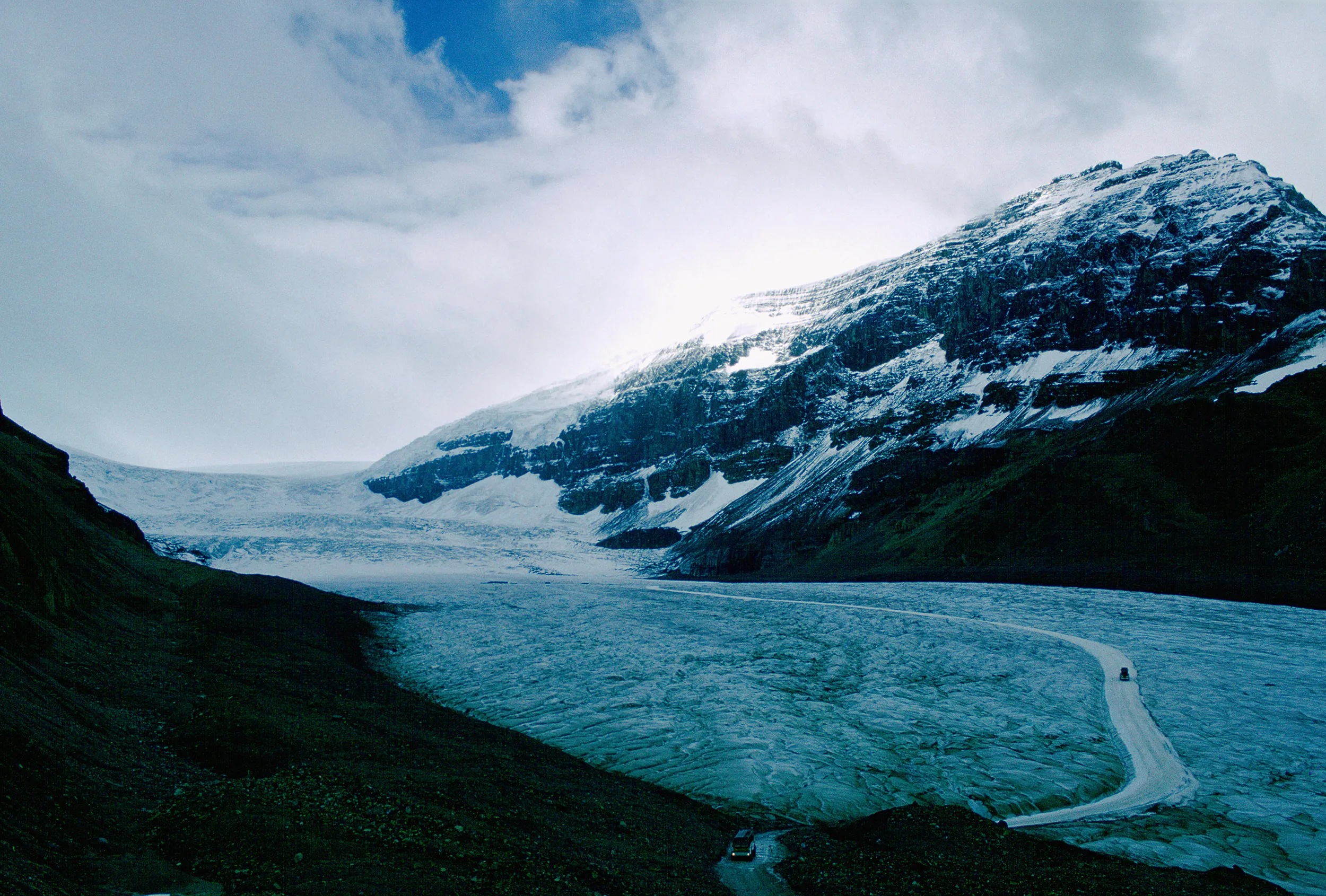
燃烧化石燃料可能阻止了地球进入下一个冰河时代,一项新研究表明。该研究于周四发表在《科学》期刊上,利用古代植被样本和岩石记录,分析了一座冰盖的生长及其突然退缩过程——这座冰盖是曾经覆盖北美大部分地区的冰盖最后的残余。
Burning fossil fuels may have stopped the Earth from entering another ice age, a new study suggests. The research, published Thursday in the journal Science, uses samples of ancient vegetation and rock records to analyze the growth—and sudden retreat—of an ice cap that is the last vestige of an ice sheet that once covered much of North America.
研究发现,覆盖加拿大巴芬岛部分地区的巴恩斯冰盖在几千年前开始生长,随后在20世纪60年代随着碳排放激增而迅速逆转趋势,开始退缩。
The findings shows the Barnes Ice Cap, which covers parts of Canada’s Baffin Island, started growing a few thousand years ago before rapidly reversing course beginning in the 1960s as carbon pollution ramped up.
“公众关心的一个问题是,我们造成的全球变暖是否足以阻止下一个冰河时代的到来?”未参与该研究的明尼苏达大学双城分校环境科学副教授安德鲁·威克特表示。这项新研究表明,“即使我们才刚刚开始增加排放,我们已经造成了足够的破坏,导致北美主要冰盖已经开始退缩。这很显著。”
“A question that’s in the popular consciousness is, have we caused enough global warming to stop the next ice age from happening?” says Andrew Wickert, an associate professor of environmental science at the University of Minnesota Twin Cities, who was not involved in the research. The new research shows that “even as we were just starting to ramp up emissions, we’ve already done enough damage to cause the major North American ice sheet to already start retreating. That’s significant.”
由于地球自转和轨道的自然变化——即米兰科维奇循环,地球会定期经历冰层从高纬度向外延伸的阶段——我们通俗地称之为“冰河时代”。随后是间冰期,冰层向两极退缩。
The planet regularly goes through phases where ice extends down from the high latitudes—what we colloquially call "ice ages"—due to natural shifts in the Earth's rotation and orbit, known as Milankovitch Cycles. Those are followed by interglacial periods where ice retreats toward the poles.
上一个冰河时代在1.2万年前结束。在其顶峰时期,被称为劳伦泰德冰盖的冰盖覆盖了整个加拿大,并向南延伸至纽约和美国中西部。它退缩后形成了巴恩斯冰盖,覆盖面积相当于特拉华州,位于巴芬岛上。
The last ice age ended 12,000 years ago. At its peak, what's known as the Laurentide Ice Sheet covered all of Canada and extended as far south as New York and the Midwest. It retreated to form the Barnes Ice Cap, which covers an area the size of Delaware on Baffin Island.
与可以移动的冰川不同,巴恩斯冰盖冻结在基岩上,保存了冰层周围生长植被的记录。这一特点使领导这项新研究的科学家能够获取关于其生长和收缩程度的信息。
Unlike glaciers, which can move, the Barnes Ice Cap is frozen to the bedrock, preserving the vegetal record of what grew around it under the ice. That quirk allowed the scientists leading the new study to glean information about how much it has grown—and shrank.
为了确定冰盖何时首次达到现代规模,他们采用了一种暴露年龄测定技术,计算距离冰川边缘数米处的岩石暴露在天空下的大致时间。通过测量铍-10(一种在暴露岩石表面形成的元素),作者计算出冰盖大约在3600年前首次达到了如今的规模。
To determine when it first reached its modern size, they used an exposure dating technique to calculate roughly how long rocks several meters from the glacier’s edge had been exposed to the sky. Using measurements of Beryllium-10, an element that forms on the surface of exposed rock, the authors calculated that the ice sheet first reached the size it is today around 3,600 years ago.
接下来,他们想看看冰盖从那时起重新增长了多少。为此,他们求助于冰川前苔原上不起眼的居民:苔藓和地衣。
Next, they wanted to see how much the ice cap had regrown from that point. To do this, they turned to the humble denizens of the tundra in front of the glacier: mosses and lichen.
“冰盖退缩后,苔藓最终殖民了这片新暴露的土地,”哥伦比亚大学拉蒙特-多尔蒂地球观测站的古气候学家、新论文的第一作者尼古拉斯·杨说。“这些苔藓在那里生存,一切正常——然后,最终冰盖开始重新扩张。冰覆盖了苔藓,将其杀死。”死苔藓的痕迹保存在新近重新暴露的土地上,使杨和他的团队能够拼凑出冰川如何在景观中移动的时间线。
“After the ice cap retreated, mosses eventually colonized this newly exposed land,” says Nicolás Young, a paleoclimatologist at the Lamont-Doherty Earth Observatory at Columbia University and lead author of the new paper. “These mosses are living there, and things are normal—then, eventually, the ice cap starts to re-expand. The ice covers the moss, and kills it.”The traces of the dead moss are preserved in newly reexposed land, allowing Young and his team to piece together a timeline of how the ice has moved across the landscape.
得益于这些记录,杨及其合著者估计冰川大约在2000年前再次开始增长。这可能预示着另一个冰川期的开始。
Thanks to these records, Young and his coauthors estimate that the glacier started growing again around 2,000 years ago. This may have signaled the start of another glaciation period.
但从20世纪60年代开始,冰盖做了一件与另一个冰河时代不相符的事:它再次变小了。该团队利用历史航拍照片显示,冰川改变了方向,从其新边缘显著退缩。自20世纪80年代以来,巴恩斯冰盖的边缘平均每年退缩4米。这与碳排放迅速增加的时期吻合,后者导致冰川在全球范围内退缩。不过,考虑到20世纪60年代之前的增长,巴恩斯冰盖提供了一个特别鲜明的例子。
But starting in the 1960s, the ice cap has done something that wouldn’t correspond with another ice age: It started getting smaller again. The team used historic aerial photos that showed that the ice has reversed course, retreating significantly back from its new margins. The Barnes Ice Cap’s edges have retreated an average of 4 meters per year since the 1980s. That coincides with a period of rapidly increasing carbon emissions, which has caused ice to go into retreat worldwide. The ice cap offers a particularly stark example, though, given the growth prior to the 1960s.
“这种冰川的现代退缩逆转了2000年的净扩张——那是一段相当长的时间,”杨说。
“Modern retreat of this glacier has reversed 2,000 years of net expansion—that’s a pretty decent chunk of time,” Young says.
达特茅斯学院地球科学教授梅雷迪思·凯利表示,这项研究中收集的数据“非常棒”,研究显示了“冰盖活动的清晰模式”。不过,凯利说,她希望看到其中一些数据与全球其他地点的数据进行比较,以便更全面地理解在人为变暖影响显现之前,地球究竟是如何进入冰期阶段的。虽然我们对触发冰盖可以增长的时期的因素有广泛的了解,但确切机制仍需要更多研究。
Meredith Kelly, a professor of earth sciences at Dartmouth, says the data gathered in the study is “awesome” and that the study shows a “clear pattern of what the ice cap was doing.”However, Kelly says that she would like to see a comparison of some of the data to other sites around the world to more fully grasp how, exactly, the Earth was moving into its glaciation period before the effects of human-caused warming kicked in. While we have a broad understanding of what kicks off periods where ice can grow, the exact mechanisms are still something that require more research.
杨说,这篇论文中提出的证据还可能验证一个几十年来一直被气候否认者拿来当作气候变化是骗局“证据”的假说。20世纪70年代初,科学家们聚集在布朗大学开会,讨论下一次冰期可能何时到来的各种假说。(杨说,他这篇论文的两位合著者参加了那次会议。)科学家们得出结论认为,冰期迫在眉睫,以至于他们给理查德·尼克松总统发了一封警告信。
The evidence presented in this paper, Young says, could also validate a decades-old hypothesis that has long been held up by climate deniers as “evidence” climate change is a hoax. In the early 1970s, scientists gathered for a meeting at Brown University to discuss hypotheses of when the next ice age might happen. (Young says that two of his coauthors on this paper were at that meeting.) The scientists concluded that a glaciation period was so imminent that they sent a warning letter to President Richard Nixon.
“我认为这项研究实际上有助于表明,科学家们对即将到来的冰期是正确的,”杨说。“媒体对那次会议的报道,以及20世纪70年代一段较冷的天气时期,长期以来一直被气候否认者拿来当作全球变暖并未真正发生的‘证据’。然而,全球变暖确实正在发生,这项新研究实际上为证据增添了内容。
“I think this study actually helps show that scientists were right about a pending glaciation,” Young says. “Media coverage of the meeting, as well as a colder period of weather in the 1970s, have long been pitched by climate deniers as “proof” that global warming isn’t actually happening. It very much is, though, and the new research actually adds to the evidence.