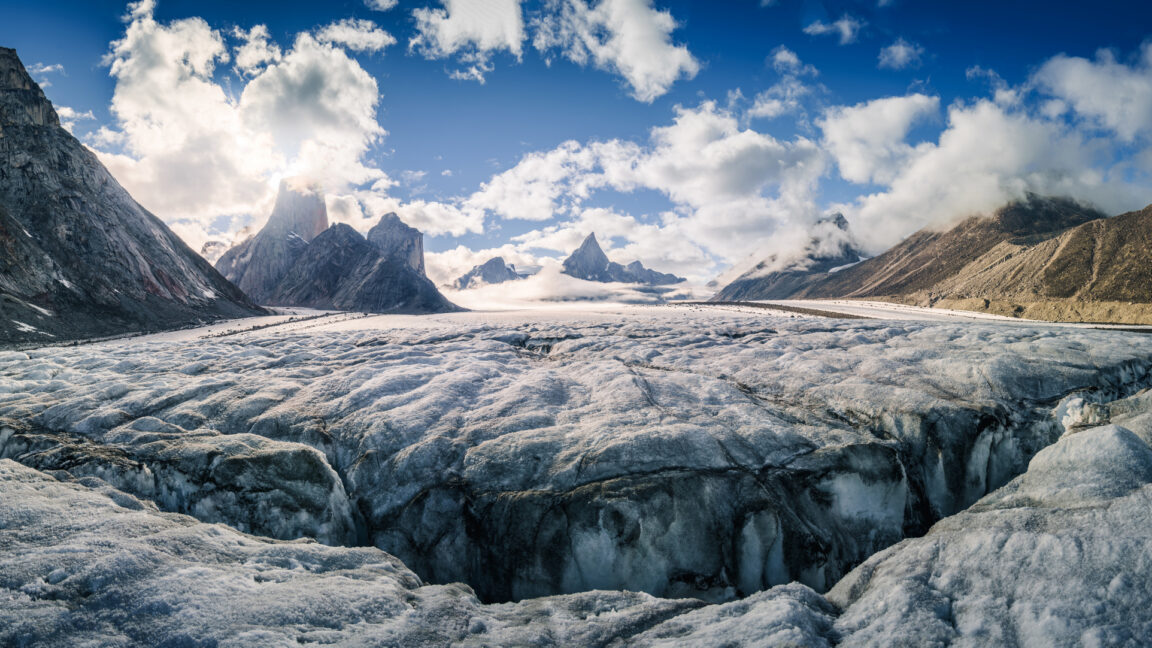
巴恩斯冰盖位于加拿大北极地区巴芬岛的中央高原上。它是劳伦泰德冰盖最后幸存的残余,后者是更新世最大的冰盖,在其鼎盛时期曾用两英里厚的冰层覆盖加拿大大部分地区,并锁住了约80米的海平面。这一残余如今提供了直接的物理证据,表明冰盖可能在数千年前扭转了退缩趋势并开始重新增长。
Barnes Ice Cap sits on the central plateau of Baffin Island, in the Canadian Arctic. It is the last surviving fragment of the Laurentide Ice Sheet, the largest of the Pleistocene ice sheets, which at its peak buried most of Canada under two miles of ice and locked away around 80 meters of sea level. That remnant has now yielded direct physical evidence that ice sheets might have reversed their retreat and started to grow again thousands of years ago.
在最近发表于《科学》杂志的一项研究中,研究人员表明,劳伦泰德冰盖在约3600年前达到最小规模,随后在约2000年前开始重新扩张,研究团队将其解读为下一次冰期的开端。显然,这一全新的冰期正在到来,直到约1960年,人为导致的气候变暖才扭转了这一进程。
In a recent Science study, researchers show that the Laurentide reached its smallest size about 3,600 years ago, then started re-expanding roughly 2,000 years ago, which the team interprets as the opening move of the next glaciation. Apparently, this brand-new ice age was on its way until about 1960, when human-caused climate warming reversed it.
“巴恩斯是劳伦泰德冰盖其中一个冰穹最后剩下的部分,”哥伦比亚大学拉蒙特-多尔蒂地球观测站的地质学家、该研究的主要作者尼古拉斯·杨说。随着这个巨大的冰穹在全新世变薄,其边缘退缩至巴芬岛上,如今剩下的就是曾经两英里厚的冰体泄气后的核心部分。杨解释说,巴恩斯之所以能见证自己的历史,归根结底取决于其底部的温度。
“Barnes is the last remaining piece of one of the domes of the Laurentide Ice Sheet,” says Nicolás Young, a geologist at Columbia University's Lamont-Doherty Earth Observatory and lead author of the study. As that enormous dome thinned through the Holocene, its margin withdrew up onto Baffin Island, and what's left today is the deflated core of something that was once two miles thick. The reason Barnes can testify about its own history, Young explains, comes down to the temperature at its base.