Riley Walters 是哈德逊研究所高级研究员,专注于经济与国家安全研究。
Riley Walters is a senior fellow at Hudson Institute where he researches economics and national security.
日本、韩国和台湾作为与唐纳德·特朗普总统政府达成的投资协议的一部分,共同承诺了 1.4 万亿美元的直接投资和信贷承诺,外界对这些承诺寄予厚望。随着美国中期选举临近,这些协议的最新进展并不令人意外。
There are great political expectations for the combined $1.4 trillion in direct investment and credit commitments that Japan, South Korea and Taiwan have made as a part of their investment deals with the administration of President Donald Trump. Recent updates on these deals should come as no surprise as the U.S. quickly approaches its midterm elections.
但在过去一年里,各项协议朝着总投资额目标都取得了进展,只是速度有快有慢。各协议条款不尽相同,而现在美国信贷条件收紧,投资者预期利率将上升并长期维持在高位,这给这三方都带来了额外压力。
But progress toward each deal's total investment value has been seen over the last year, with some moving faster than others. The terms of each deal differ and, now ,tightening credit conditions in the U.S. are putting additional pressure on all three as investors expect to see interest rates rise and stay elevated for longer.
台湾在实现 2500 亿美元直接投资目标方面进展最大,得益于台积电自身承诺的 2650 亿美元投资已超额完成该目标。台湾企业对于美国对人工智能的旺盛需求至关重要。
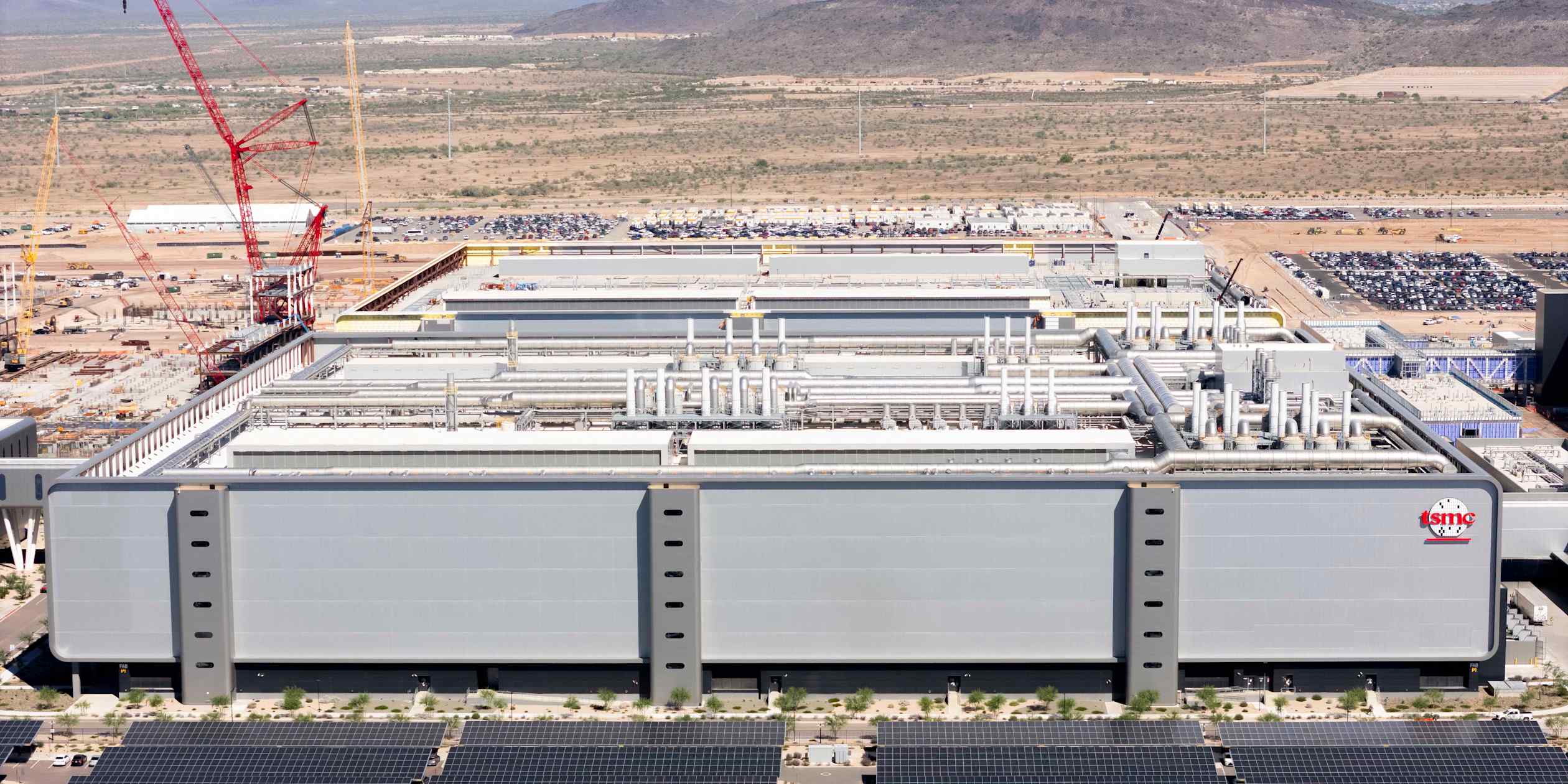
Taiwan has made the greatest progress toward its direct investment goal of $250 billion thanks to Taiwan Semiconductor Manufacturing Co. exceeding that amount with its own commitments of $265 billion. Taiwan's companies are paramount for America's insatiable demand for artificial intelligence.
台湾仍有一项目标,即实现 2500 亿美元的信贷承诺。近期宣布的 550 亿美元科技相关项目和 44 亿美元阿拉斯加液化天然气(LNG)项目是积极进展,但要弥补剩余 1900 亿美元的缺口将变得更加困难。
Taiwan still has an additional goal of $250 billion in credit commitments to make. Recent announcements of $55 billion in technology-related projects, and $4.4 billion in Alaskan liquefied natural gas (LNG), are positive developments but bridging the remaining $190 billion gap will become harder.
这些项目的融资预计将以美元计价,并采用美国利率。在三个亚洲经济体中,台湾更容易遭受货币冲击。美国对半导体进口征收关税可能会在瞬间进一步削弱新台币。当唐纳德·特朗普总统于2025年4月宣布其全球关税时,新台币对美元贬值了7%,而日元和韩元均仅下跌了3%。与此同时,美国利率已大致是台湾利率的两倍。随着美国利率预计在未来一年将更接近5%,这一差距可能进一步扩大。
Finance for these projects is expected to be denominated in U.S. dollars and using U.S. interest rates. Of the three Asian economies Taiwan is more vulnerable to a currency shock. U.S. tariffs on semiconductor imports could further weaken the Taiwan dollar at a moment's notice. When President Donald Trump announced his global tariffs in April 2025, the Taiwan dollar depreciated 7% against the U.S. dollar, while the Japanese yen and South Korean won both fell just 3%. Meanwhile, U.S. rates are already roughly double what's offered in Taiwan. This difference could widen further as U.S. rates are expected to move closer to 5% over the next year.
与此同时,日本在实现其在战略领域5500亿美元投资目标的进程中已完成约四分之一,已宣布向核能和燃气发电项目投资约1300亿美元,并向格芯(GlobalFoundries)进行半导体制造投资。与台湾一样,日本的投资深受美国短期利率影响,因为其投资协议与六个月担保隔夜融资利率(SOFR)挂钩。鉴于剩余的4200亿美元很可能在未来两年内分散到不同项目中,且不会一次性全部宣布,这将影响未来项目的盈利能力。
Meanwhile, Japan is about one-quarter of its way toward satisfying its $550 billion investment in strategic sectors, with approximately $130 billion announced toward nuclear and gas-powered energy projects and an investment into Global Foundries for semiconductor manufacturing. Like Taiwan, Japan's investments are heavily influenced by short-term U.S. interest rates as its investment deal links to a six-month Secured Overnight Financing Rate. Given the remaining $420 billion will likely be spread across different projects over the next two years, and not all announced overnight, this will affect the profitability of future projects.
最后,近期宣布韩国将向八个核电项目和一个天然气发电厂投资1420亿美元以上,另外可能有540亿美元投向同一个阿拉斯加液化天然气(LNG)项目。合计来看,这些投资将几乎满足其先前同意的2000亿美元直接投资承诺,仅剩造船领域的1500亿美元尚未落实。
Finally, it was recently announced that South Korea will put upwards of $142 billion toward eight nuclear projects and a natural gas power plant with an additional $54 billion potentially going to the same Alaska LNG project. Combined, these would nearly satisfy the $200 billion in direct investments it has previously agreed to, with only an additional $150 billion for shipbuilding remaining.
左起:美国驻日大使乔治·格拉斯、软银集团首席执行官孙正义、美国总统唐纳德·特朗普和商务部长霍华德·卢特尼克,于2025年10月28日在东京美国大使官邸签署谅解备忘录后合影留念。
From left, U.S. Ambassador to Japan George Glass, Softbank CEO Masayoshi Son, U.S. President Donald Trump and Secretary of Commerce Howard Lutnick pose for photos after theg of memorandums of understanding at the U.S. Ambassador's Residence in Tokyo on Oct. 28, 2025.
对韩国而言,问题在于其投资协议的条款将项目的基准利率与美国20年期固定期限国债(CMT)收益率挂钩。20年期国债收益率(进而带动CMT收益率)正迅速逼近6%的25年高位。这也是为何尽早敲定这些协议显得更为重要的另一原因。
The problem for South Korea, and another reason why securing these deals sooner than later has been important, is that the terms of their investment deal link the base rate for their projects to the U.S.'s 20-year Constant Maturity Treasury (CMT) rate. The yield for 20-year Treasury securities, and subsequently the CMT, is quickly approaching a 25-year-high of 6%.
宣布数十亿美元投资与成功为其融资是两码事。可以推测,目前已宣布的项目(多为能源领域)具有最高的标价和最长的项目周期。未来的项目总价值可能更小,但面临技术发展和资本升级等问题的短期风险更大。
Announcing multi-billion-dollar investments and successfully financing them are two different challenges. It's safe to assume that the projects that have been announced so far, most of which are in the energy sector, have the largest sticker value with the greatest project lifespan. Future projects will likely be smaller in total value with greater short-term exposure to issues such as technology developments and capital upgrades.
作为各自协议的一部分,日本和韩国均同意与美国实行利润分享机制。韩国协议中包含更具体的条款,要求项目必须具备商业可行性。这也是韩国对承诺参与阿拉斯加液化天然气(LNG)项目犹豫不决的原因。但这同时也解释了为何特朗普宣布新的台湾投资将包含一份为期20年、价值700亿至800亿美元的该项目购气协议。
As a part of their respective deals, both Japan and South Korea have agreed to a profit-sharing mechanism with the U.S. South Korea's agreement includes more specific language that deals need to be commercially viable. This is why there has been some hesitancy on its part to commit to the Alaska LNG project. But also why Trump announced the new Taiwan investment will include a 20-year off-take agreement from that project worth $70 billion to $80 billion.
较高的利率和收益率最终将拖慢未来投资的回报速度。韩国的协议允许其至少与美国官员讨论替代方案,如果认为某项目无法在20年内收回投资。但所有协议均保留了这样一条规定:如果国家拒绝为项目提供全额或部分资金,美国仍可征收关税。
Higher rates and yields will ultimately slow the rate of returns for future investments. South Korea's deal allows it to at least discuss with U.S. officials alternative solutions if they believe a project won't recoup its investments within 20 years. But all deals also maintain that the U.S. can still impose tariffs if countries refuse to fully or partially fund a project.
美国正迎来前所未有的投资热潮,股权和投资组合资金流入均创下历史新高。随着美国信贷条件收紧,投资者将变得更加挑剔,加剧寻求融资项目之间的竞争。为这些政府关联项目寻找投资者本已颇具难度。而更高的利率将推高投资者对新项目预期回报的要求。
The U.S. is seeing an investment boom unlike ever before with equity and portfolio flows at record highs. As U.S. credit conditions tighten, investors will become more selective, increasing competition among projects seeking financing. Finding investors for these government-linked projects has already been difficult. And higher rates will raise the expected returns investors want from new projects.
归根结底,特朗普政府将获得承诺的1.4万亿美元新增投资。现在的问题是,这些政府能否在足够有吸引力的条款下敲定交易,从而使其能够尽早而非稍晚收回投资。
At the end of the day, the Trump administration will get the $1.4 trillion worth of new investments it's been promised. The question now is whether these governments can secure their deals under attractive enough terms that allow them to recover their investments sooner rather than later.