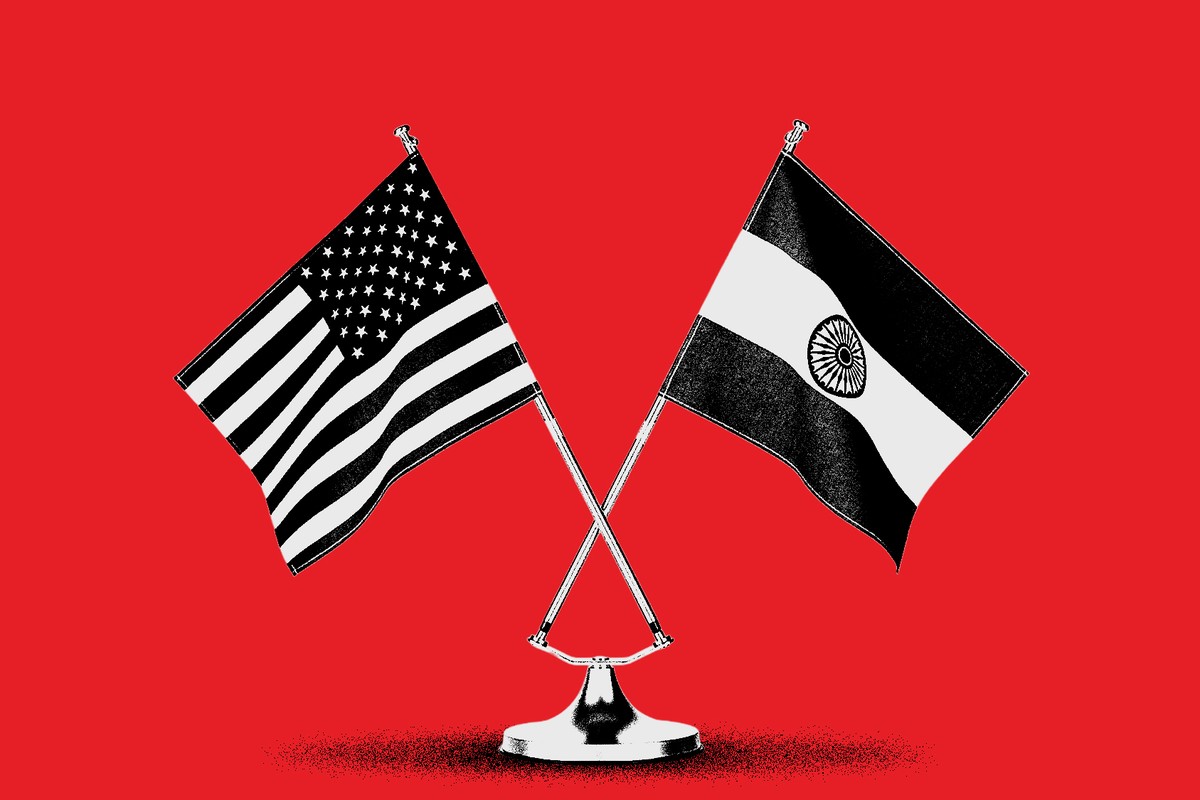
这个国家依靠其人才、雄心和技能来推动两个至关重要的行业——科技和医疗。
The country relies on their talents, ambition, and skills to power two of its most important sectors—technology and medicine.
如果你询问许多成功的印度裔首席执行官、企业家或科学家,他们为什么会在美国取得成功,他们会告诉你:除了坚韧不拔的精神和天赋之外,关键因素在于这个国家本身——一个能够奖励人才、并吸引来自世界各地的有抱负之人的经济体系和文化环境。
By Meenakshi Ahamed Ask many successful Indian CEOs, entrepreneurs, or scientists how they rose to prominence in America, and they will tell you that, grit and talent aside, the key factor was the country itself: an economy and a culture that rewarded merit and drew ambitious, talented people from around the world.
印度裔美国人是美国最富裕、受教育程度最高的群体之一。他们的独特之处在于:他们仅用一代人的时间就登上了社会的顶峰。印度裔美国人的家庭年收入中位数为151,200美元,而白人美国人的家庭年收入中位数为92,530美元。在美国,25岁及以上的印度裔成年人中约有四分之三拥有学士学位,而全国平均水平仅为38%;近一半的人拥有研究生学位,他们的贫困率(6%)是所有族裔群体中最低的之一。印度裔美国人普遍有稳定的工作,并且遵守法律。
Indian Americans are among the most affluent and best-educated groups in the country. What distinguishes them from other immigrant groups is that they have risen to the top in one generation. Median household income for Indian Americans is $151,200, compared with $92,530 for white Americans. About three-quarters of Indian adults 25 and older in the U.S. hold a bachelor’s degree, against a national average of 38 percent. Nearly half have graduate degrees, and the poverty rate, 6 percent, is among the lowest of any ethnic group. Indian Americans tend to be employed and law-abiding.
对于这个常被称为“模范少数族裔”或“科技行业新巨头”的群体来说,最近出现的反印度言论(这些言论在X、YouTube和Reddit等平台上屡见不鲜)确实令人震惊。根据“Stop AAPI Hate”组织的数据,仅在2025年,就有近一半的南亚裔成年人报告自己成为了种族歧视的受害者;从2023年到2025年,网络上针对南亚裔的侮辱性言论增加了109%。
For a community more accustomed to being called the “model minority” or “tech’s new titans,” a recent rise in anti-Indian rhetoric—now commonplace on sites and apps such as X, YouTube, and Reddit—has been a shock. According to Stop AAPI Hate, nearly half of South Asian adults living in America reported having been targeted in a “race-based hate act” in 2025 alone. From 2023 to 2025, the use of anti–South Asian slurs online surged by 109 percent.
特朗普政府还通过严格限制H-1B签证计划(该签证是印度人进入美国工作的合法途径)来攻击来自印度的移民——而H-1B签证的持有者中,70%都是印度人。尽管两位法官驳回了特朗普总统提出的收取10万美元签证费的提议,但政府仍声称,在最大的IT企业和外包公司中,H-1B签证的申请数量减少了92%,并将其视为巨大的“成功”。
The Trump administration has also attacked immigrants coming from India with efforts to severely restrict the H-1B visa program, a legal pathway to American jobs; 70 percent of H-1B recipients are Indian. Despite two different judges blocking President Trump’s $100,000 fee for the visa, the administration claims that applications are down 92 percent at the largest IT-staffing and -outsourcing firms—a decline that it views as a massive success.
印度移民帮助让这个国家变得伟大。美国长期以来需要印度移民,现在依然需要。但那些不了解印度裔美国人巨大贡献的人宁愿关上大门,并对已经身处此地的人表现出敌意。
Indian immigrants have helped make this country great. America has long needed Indian immigrants, and it still does. But people who don’t understand the great contributions of Indian Americans would rather close the door, and are hostile to those who are already here.
到1960年,欧洲人占美国所有移民的75%。到2010年,这一比例发生了逆转,欧洲人仅占所有移民的12%。根据美国人口普查局数据,1990年在美国居住的印度人不足100万。十年后,由于为避免潜在的“千年虫”危机而大量招聘工程师,他们的数量翻了一番。如今,约有520万印度人居住在美国,其中超过60%出生于印度。尽管他们仅占人口的1.5%,但他们突然的成功使他们非常显眼——这种显眼也让他们成为了攻击目标。
By 1960, Europeans made up 75 percent of all immigrants in the U.S. By 2010, the balance had reversed, and Europeans were just 12 percent of all immigrants. According to U.S. Census Bureau data, in 1990 fewer than a million Indians were living in the U.S. A decade later, their numbers doubled because of a hiring spree for engineers to help avert a potential Y2K crisis. Today, some 5.2 million Indians reside in America, more than 60 percent of whom were born in India. Although they represent just 1.5 percent of the population, their sudden success has made them very visible—and that visibility has made them targets.
出生于印度的高管正在掌管几家最大的科技公司,如谷歌、微软、IBM和Adobe。他们一直处于一些人对整个科技行业人工智能发展和裁员愤怒的中心。在政治领域,罗·康纳、维韦克·拉马斯瓦米、卡玛拉·哈里斯和佐赫兰·马姆达尼的崛起,也引发了网络上和现实中对印度裔人士的仇恨。对于那些对国家变化感到不安的美国人来说,看到印度人掌权可能更像是一种威胁,而非美国梦依然可行的希望信号。
Indian-born executives are running several of the biggest technology companies, such as Google, Microsoft, IBM, and Adobe. They have been at the center of some people’s anger over AI and layoffs throughout the tech industry. In politics, the rise of Ro Khanna, Vivek Ramaswamy, Kamala Harris, and Zohran Mamdani has also caused online and real-life hate toward those with Indian heritage. For Americans uneasy about how the country is changing, seeing Indians in charge can feel more like a threat than a hopeful sign about the viability of the American dream.
移民政治始终与歧视纠缠在一起。19世纪50年代,美国引进廉价中国劳工在矿场、农场和铁路工作。19世纪70年代经济萎缩时,“他们抢了我们的工作”这一至今耳熟能详的呼声高涨,导致1882年《排华法案》出台,随后60年限制中国移民。日本工人,后来的韩国工人也遭遇同样的敌意,1917年《移民法》(又称《亚洲禁入区法案》)实际上切断了来自亚洲大部分地区的移民。
Immigration politics have always been tangled up with discrimination. In the 1850s, the United States brought in cheap Chinese laborers to work its mines, farms, and railroads. When the economy shrank during the 1870s, the cry of “they’re taking our jobs”—familiar today—led to the Chinese Exclusion Act of 1882, which restricted Chinese immigration for the next 60 years. Japanese and, later, Korean workers met the same antagonism, and the Immigration Act of 1917, also known as the Asiatic Barred Zone Act, effectively shut out immigrants from most of Asia.
美国经历了一段漫长的排外时期,打击对象不仅是非白人移民,也包括“不受欢迎”的白人移民,如意大利人和东欧犹太人。1910年,外国出生人口占比为14.7%;到1960年,这一比例已降至5.4%。
The country went through a long period of xenophobia that targeted not only nonwhite immigrants but also “undesirable” white immigrants, such as Italians and Eastern European Jews. In 1910, the foreign-born population was 14.7 percent; by 1960, it had fallen to 5.4 percent.
1965年,《移民与国籍法》放宽了旧有限制,很大程度上是因为国家缺乏熟练劳动力,尤其是在STEM(科学、技术、工程和数学)领域。两项发展推动了这一变化。
In 1965, the Immigration and Nationality Act eased the old restrictions, in large part because the country was short of skilled labor, particularly in the STEM fields. Two developments drove the change.
第一是“斯普特尼克”卫星。1957年,苏联发射了第一颗人造卫星。美军担心在冷战中落后,开始大力投资科学,向顶尖研究大学拨付巨额资金。到了20世纪60年代,竞赛加速,但工程师短缺,国家遂开始在海外招募。从1950年起,印度与外国合作伙伴合作,开始建设世界一流的工程学院——印度理工学院(IIT)。受过良好训练、讲英语的工程师毕业之际,正值美国急需之时。
The first was Sputnik. In 1957, the Soviet Union launched the first satellite into space. The U.S. military, fearful it was losing the Cold War, began investing heavily in science, sending large sums to top research universities. By the ’60s, the race had accelerated, but engineers were in short supply, so the country began recruiting overseas. Starting in 1950, India, in collaboration with foreign partners, had begun building world-class engineering schools called the Indian Institutes of Technology (IITs). Well-trained, English-speaking engineers began graduating just as the U.S. was desperate for them.
印度原本希望这些工程师能助推本国发展,但国内提供的岗位太少,而美国却发现了一个理想的招聘基地。即便在今天,印度理工学院依然竞争极其激烈,每年约100万申请者中录取率不足1%。谷歌首席执行官桑达尔·皮查伊、风险投资家兼太阳微系统联合创始人维诺德·科斯拉、以及国际商业机器公司首席执行官阿尔温德·克里希纳,全都是印度理工学院毕业生。第一波印度工程师赴美浪潮出现在1965年后。第二波大规模赴美潮则发生在90年代末,缘于千年虫问题的应对准备。
India had hoped that these engineers would help drive its own development, but it offered too few jobs, and the U.S. had found an ideal recruiting ground. Even today, the IITs remain fiercely selective, accepting less than 1 percent of roughly 1 million applicants per year. Sundar Pichai, the CEO of Google; Vinod Khosla, a venture capitalist and co-founder of Sun Microsystems; and Arvind Krishna, the CEO of IBM, are all IIT graduates. The first wave of Indian engineers was recruited after 1965. A second big wave came in the late ’90s, during Y2K preparations.
第二个推动因素是对医生的需求。1965年7月,林登·约翰逊总统签署《医疗保险和医疗补助法案》,近2000万美国人几乎一夜之间获得了医疗保障资格。医院人手严重不足,无法应对。越南战争升级,医务人员被派往前线,残疾退伍军人返乡需要长期护理。医院将目光投向海外,印度再次向这个紧绷的体系输送了受过训练的专业人才。印度医生在80年代的艾滋病疫情和2020年代初的新冠疫情中均冲在一线。
The second development was a need for doctors. In July 1965, President Lyndon B. Johnson signed the Medicare and Medicaid Act, and almost overnight, 20 million Americans became eligible for health care. Hospitals lacked the staff to cope. The Vietnam War was escalating, medical personnel were being sent to the front, and disabled veterans were returning home needing long-term care. Hospitals looked overseas, and India again supplied trained professionals to a strained system. Indian doctors were on the front lines of the AIDS epidemic in the ’80s and the coronavirus pandemic in the early 2020s.
美国无需在印度裔人才的教育上投入太多,便享受了他们带来的技能红利。许多人在美国获得了高级学位,但他们的基础培养大多在印度完成。更诚实的说法是,印度连同其他较贫穷国家,一直在补贴美国。
The U.S. has benefited from the skills that Indians bring without having had to invest much in their education. Many have earned advanced degrees in America, but the bulk of their training happened in India. A more honest way to see it is that India, along with other poorer countries, has been subsidizing the United States.
总统们喜欢用一句口号来定义自己的时代,以传达他们希望留下的政治遗产。约翰·肯尼迪称其为“新边疆”。他决心赢得冷战、阻止共产主义蔓延,推动国家投身太空探索,并加大对科技的投入。约翰逊的口号是“伟大社会”。他的目标是照顾老人和穷人。他亲身经历过贫困,希望将医疗保障延伸至弱势群体,并签署了《医疗保险法》和《民权法案》。这两位总统的愿景都依赖于从海外引进人才。
Presidents like to define their eras with a slogan that conveys the legacy they hope to leave. John F. Kennedy called his the “New Frontier.”He was determined to win the Cold War and stop the spread of communism, and pushed the country toward space exploration while investing in science and technology. Johnson’s was the “Great Society.”His goal was to care for the elderly and the poor. Having known poverty firsthand, he wanted to extend health care to the vulnerable, and he signed both the Medicare and the Civil Rights Acts. Both of these presidents’ visions leaned on importing talent from abroad.
特朗普的口号是“让美国再次伟大”。然而,他持久的政治遗产之一,可能恰恰是他背弃了那些曾帮助美国走向伟大的人才。
Trump’s slogan is “Make America Great Again.”Yet one of his lasting legacies may be that he turned his back on the very talent that helped make America great in the first place.