在 AI 交易中,资本开支为王。无论是零部件制造商、超大规模云服务商,还是数据中心提供商,都需要资金来支撑其雄心壮志。而且需要大量资金,且需要能轻松获得更多资金。这使得支出成为整个市场的主要焦点。但市场究竟期望企业如何表现,正变得越来越难以捉摸。无论企业做什么,似乎都会让日益挑剔的投资者失望。本周早些时候发布财报的两大巨头——Meta 和特斯拉——便实时体验了这一点,尽管二者采取了截然不同的路径。
When it comes to the AI trade, capex is king. Companies — whether component-makers, hyperscalers, or data-center providers — need money to pour into their ambitions. Lots of it. And they need easy access to more. That's made spending a major flash point for the entire market. But it's becoming increasingly unclear what the market expects from companies. No matter what they do, it seems to disappoint ever-pickier investors.
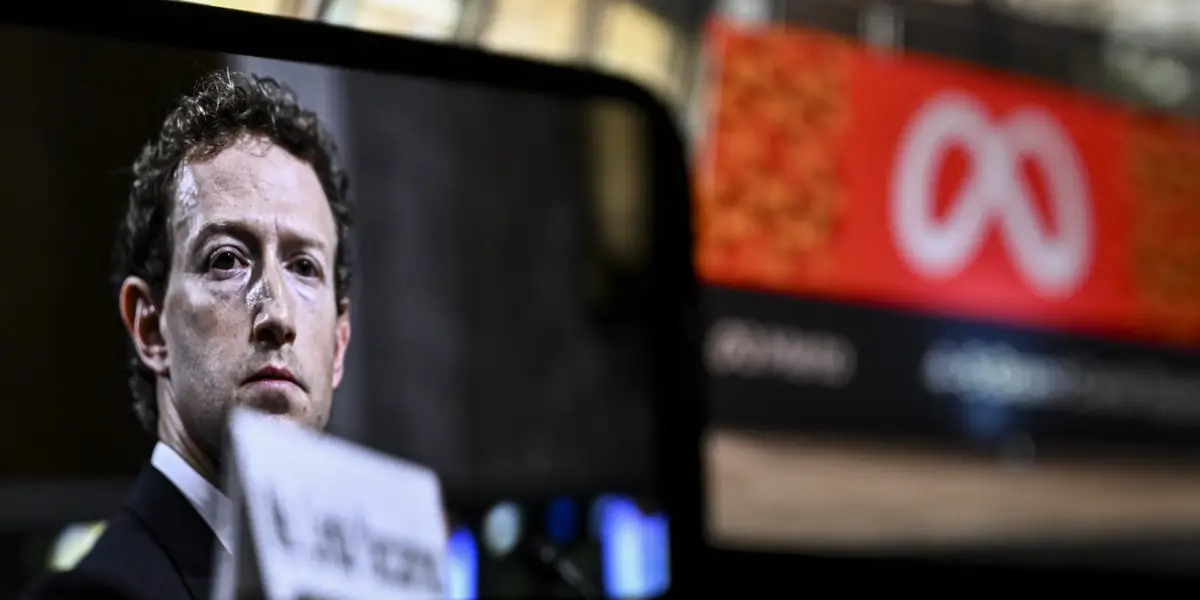
Meta 选择了加大资本开支的路线,将 2026 年支出预测的下限从 1300 亿美元上调至 1350 亿美元。其未来支出承诺也攀升至 8250 亿美元,其中包括租赁、算力交易以及为不断增长的 AI 雄心提供动力所需的能源协议。显然,这被视为过于激进。投资者担心该预测可能加剧全市场的融资压力。股价暴跌 7%。为 Meta 债务购买保险的成本飙升。
Two titans that reported earlier this week — Meta and Tesla — found that out in real time, albeit by taking very different routes. Meta took the more-capex path, raising the low end of its 2026 spending forecast to $135 billion from $130 billion. Its future spending commitments also climbed to $825 billion, including leases, computing deals, and energy agreements needed to power its growing AI ambitions. Apparently, that was too aggressive. Investors worried the forecast could add to market-wide financing stress. Shares tumbled 7%.
(详见下文。)特斯拉则走了一条减少资本开支的路线。该公司表示今年将“仅”支出 200 亿美元,低于此前 250 亿美元的预测。结果如何?投资者也不买账。削减开支引发了新的疑问:特斯拉是否正以足够快的速度推进其 AI 雄心。股价下跌 3%。这构成了典型的“进退维谷”局面。仿佛投资者心中有一个未明说的支出“最佳区间”——既要在过度热衷与增长放缓之间穿针引线。只是他们没跟任何人分享这个区间,甚至自己可能也不知道那是什么。
The cost to insure Meta's debt spiked. (More on that lower.) Tesla, meanwhile, took the less-capex route. The firm will spend "only" $20 billion this year, down from its previous $25 billion forecast. And guess what? Investors didn't like that either. The cut raised new questions about whether Tesla is building out its AI ambitions quickly enough. Shares fell 3%. It amounted to the ultimate damned-if-you-do, damned-if-you-don't situation. It's as if investors have an undefined sweet spot for spending — one that threads the needle between overzealousness and slowing growth. Except they haven't shared it with anyone, if they even know what it is.
这种资本开支的“二十二条军规”式困境,并不利于增强信心,让人担忧投资者下周将如何消化主导地位的三大超大规模云服务商——Alphabet、亚马逊和微软——的财报。与 Meta 一样,它们也是主要指数中权重最大的股票之一,任何失望情绪都可能产生全市场范围的后果。市场反应很可能取决于几个关键要素。
The capex catch-22 playing out doesn't exactly inspire confidence in how investors will digest earnings next week from the dominant hyperscaler trio of Alphabet, Amazon, and Microsoft. Like Meta, they're among the heaviest-weighted stocks in major indexes, and any disappointment could have market-wide consequences. The reaction will likely boil down to a few key elements.
如果这些公司在任何方面令市场失望,需警惕新一轮抛售潮。以下是一份实用的四点核查清单:与特斯拉不同,Alphabet、亚马逊和微软拥有庞大的云计算和广告业务,可为建设提供资金支持。但Meta表明,即便核心业务强劲,也未必能让管理层获得投资者无限的耐心。这就是为什么下周的资本支出数据可能与任何盈利超预期一样重要。核心问题是,这些公司能否说服投资者,它们已找到“恰到好处”的预算:既足以制胜,又足够克制以赢得信任。
If these companies disappoint in any area, beware a fresh wave of selling. Here's a handy four-part checklist: Unlike Tesla, Alphabet, Amazon, and Microsoft have giant cloud and ad businesses that can help fund the buildout. But Meta showed that even a strong core business may not buy management unlimited patience. That's why next week's capex figures may matter as much as any earnings beats. The big question is whether these companies can convince investors they've found their Goldilocks budget: big enough to win, but restrained enough to trust.