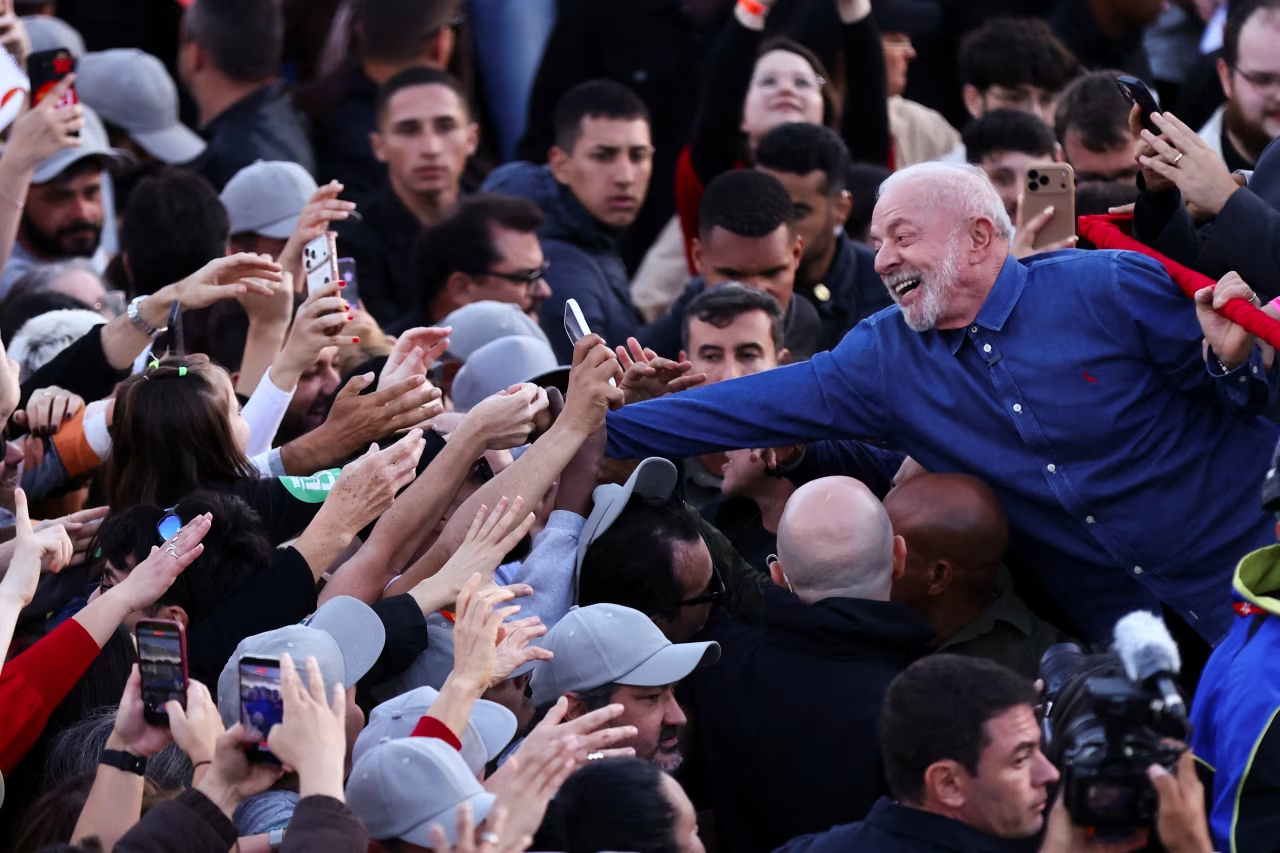
圣保罗——巴西总统路易斯·伊纳西奥·卢拉·达席尔瓦是拉美左翼的标志性人物,几十年来一直深受巴西人拥护。要在周日获胜,他必须重新点燃曾经对选民所具有的那种强大吸引力,那些选民曾成群结队地为他的平民魅力而投票。
SÃO PAULO—President Luiz Inácio Lula da Silva, a defining figure of the Latin American left, has won over Brazilians for decades. To win Sunday, he must rekindle the magnetic hold he once had on voters who turned out in droves for his everyman appeal.
距离81岁生日还有几天,达席尔瓦正在参加他可能的最后一次总统选举,目前微弱落后于前总统雅伊尔·博尔索纳罗的儿子弗拉维奥·博尔索纳罗,后者是他死对头的政敌。民调机构表示,在周日充满分歧的决选前,不太可能有大量选民改变立场,因此第四个任期现在取决于动员那些在10月4日第一轮投票中弃权的巴西人。
Days away from turning 81, da Silva is fighting what is likely his last presidential election, narrowly trailing Flávio Bolsonaro, son of former President Jair Bolsonaro, his bitter political rival. With few voters likely to switch sides ahead of Sunday’s divisive runoff, pollsters say, a fourth term now rests on mobilizing Brazilians who abstained from the first round of voting on Oct. 4.
投票对这里的大多数人来说是强制性的,但约有3340万巴西人——超过五分之一的选民——缺席了那次选举,创下自1998年以来的最高弃权率。许多巴西人表示,他们对充斥着丑闻、互相诋毁和个人恩怨的选举深感厌倦,因此选择支付因违反选举规则而被处以的少量罚款。
Voting is compulsory for most people here, but some 33.4 million Brazilians—more than one in five voters—stayed home for that election, the highest abstention rate since 1998. Many Brazilians said they were so fed up with an election dominated by scandal, mudslinging and personal vendettas that they opted to pay the small fine levied for flouting electoral rules.
达席尔瓦在第一轮投票中仅以220万票之差落后于博尔索纳罗,他周日有望通过争取部分缺席选民来缩小这一差距。上周一项Quaest民调显示,他在弃权或投空白票、无效票的选民中占有优势,40%支持他,而博尔索纳罗为36%。但赢得他们的支持是一回事,让他们去投票站则是另一回事。
Da Silva trailed Bolsonaro by just 2.2 million votes in the first round, a gap he could close Sunday by winning over a fraction of those who stayed home. A Quaest poll last week suggested he has an edge among those who abstained or cast blank or invalid ballots, with 40% backing him against 36% for Bolsonaro. But winning their support is one thing.
历史对达席尔瓦几乎没有给予鼓励。自巴西恢复民主以来,九次总统选举中有七次需要举行决选,而所有决选都由第一轮获胜者赢得。在这七次选举中,有六次的弃权率在两轮之间上升,2022年是唯一的例外,当时弃权率大致保持稳定。
Getting them to the polls is another. History offers da Silva little encouragement. Since Brazil’s return to democracy, seven of nine presidential elections have required runoffs, all won by candidates who won the initial round.
在这次选举中,女性的热情尤其低。根据最近一项BTG Pactual/Nexus民调,62%的男性表示对选举非常感兴趣,而只有49%的女性有同样的感觉。
Abstention rose between rounds in six of those seven elections, with 2022 the lone exception, when it remained roughly stable. Enthusiasm for this election is particularly low among women.
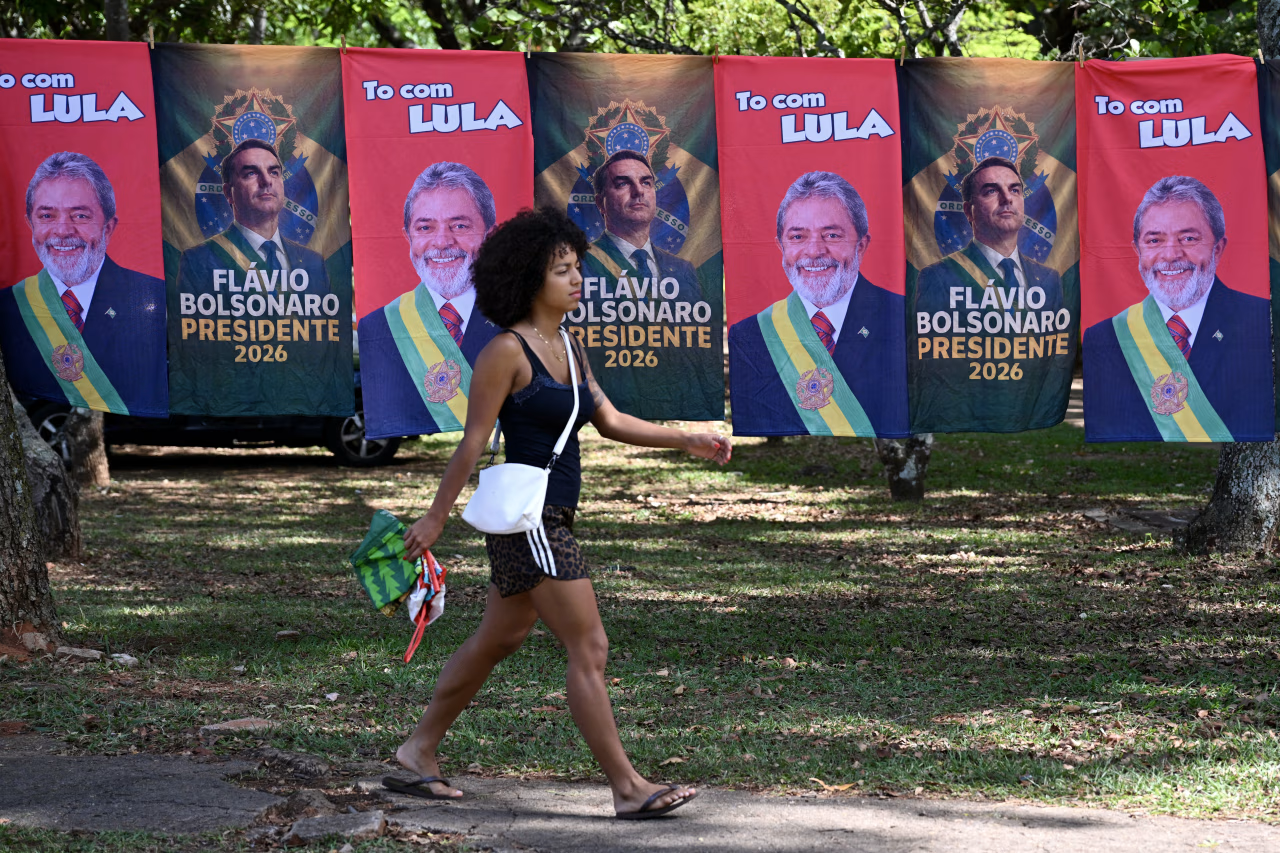
“我的天,这场斗争简直让人受不了,”来自圣保罗的行政助理保拉·莫拉斯说。
While 62% of men said they were very interested in the race, according to a recent BTG Pactual/Nexus poll, just 49% of women felt the same way.

本周,她在亲属因政治立场互相攻击后,退出了家族的WhatsApp群。她说,这场争执更让人恼火,因为“卢拉和博尔索纳罗一样糟糕”。尽管两人在意识形态上存在差异,但达·席尔瓦和博尔索纳罗已成为许多选民眼中,同样令人厌倦的多年政治闹剧的代表。
“My God, this whole fight is unbearable,” said Paula Moraes, an administrative assistant from São Paulo. She left her family’s WhatsApp group this week after relatives began attacking one another over their political allegiances. The feud is all the more exasperating, she said, because “Lula and Bolsonaro are equally bad.”
达·席尔瓦于2018年因腐败罪名入狱,后被撤销,而他的儿子如今面临另一桩贪腐指控。他否认有不当行为。弗拉维奥的父亲贾伊因策划推翻达·席尔瓦在2022年赢得的总统选举而被软禁。弗拉维奥本人也因向一位卷入重大诈骗丑闻的银行家寻求为其父亲的电影融资而受到质疑。他同样否认有不当行为。
For all their ideological differences, da Silva and Bolsonaro have come to represent, for many voters, the same tiresome political spectacle that has played out for years. Da Silva was jailed in 2018 on corruption convictions later annulled, while his son now faces separate graft allegations. He denies wrongdoing. Flávio’s father, Jair, is under house arrest for plotting to overturn the 2022 presidential election da Silva won. Flávio himself has faced questions over his efforts to secure financing for a film about his father from a banker at the center of a major fraud scandal.
虽然选举被描绘为左翼与右翼的对决,但两位候选人在最近几周都采纳了相同的民粹措施,承诺为穷人提供更多福利并缩短工作时间。
He also denies wrongdoing.
“两个骗子,”作者兼政治评论员费利佩·莫拉·巴西尔在上周日两位候选人的首次电视辩论后说。“各自试图在对方的污点中洗白自己。”当两位候选人在舞台上相互环视时,达·席尔瓦称博尔索纳罗是骗子和流氓,而对手则回击暗示总统可能会偷走他的钱包。
While the election has been cast as a showdown between left and right, both candidates have embraced the same populist measures in recent weeks, promising more benefits for the poor and a shorter working week. “Two phonies,” said Felipe Moura Brasil, an author and political commentator, of the first televised debate between the two candidates last Sunday. “Each trying to clean himself in the other’s dirt.”
巴西长期致力于推动投票,1932年将投票设为强制,1996年引入电子投票,并在选举日提供免费公共交通。
As the candidates circled each other onstage, da Silva called Bolsonaro a liar and a thug, while his rival sniped back by suggesting the president might steal his wallet.
然而,自2006年以来,每届总统选举第一轮的弃权率都在上升,当年为16.8%,本月初升至21.1%。疾病和实际障碍让一些选民待在家中。但政治学家表示,日益增长的幻灭感——尤其是对达席尔瓦的幻灭感,他于2002年首次当选总统——也在推动缺席投票。
Brazil has long sought to promote voting, making it mandatory in 1932, introducing electronic balloting in 1996 and offering free public transportation on election day. Yet abstention has risen in the first round of every presidential election since 2006, from 16.8% that year to 21.1% earlier this month. Illness and practical obstacles keep some voters at home.
选举数据显示,在第一轮投票中,达席尔瓦获得大量支持的最贫困投票区,有21.3%的选民未投票,而最富裕地区的这一比例为20.3%。
But political scientists say growing disillusionment—particularly with da Silva, first elected to the presidency in 2002—is also driving absenteeism.
在巴西,未投票且未说明缺席理由的人将面临不到1美元的罚款。未支付的罚款可能阻止他们获得护照或投票。去年,选举当局因约五百万人连续三次缺席选举且未提供理由或缴纳罚款,将其从选民名单中除名。
In the first round, 21.3% of voters in the poorest voting areas where da Silva draws much of his support stayed home, compared with 20.3% in the wealthiest, electoral data show. In Brazil, those who miss an election without justifying their absence face a fine of less than $1. Unpaid penalties can prevent them from obtaining a passport or voting.
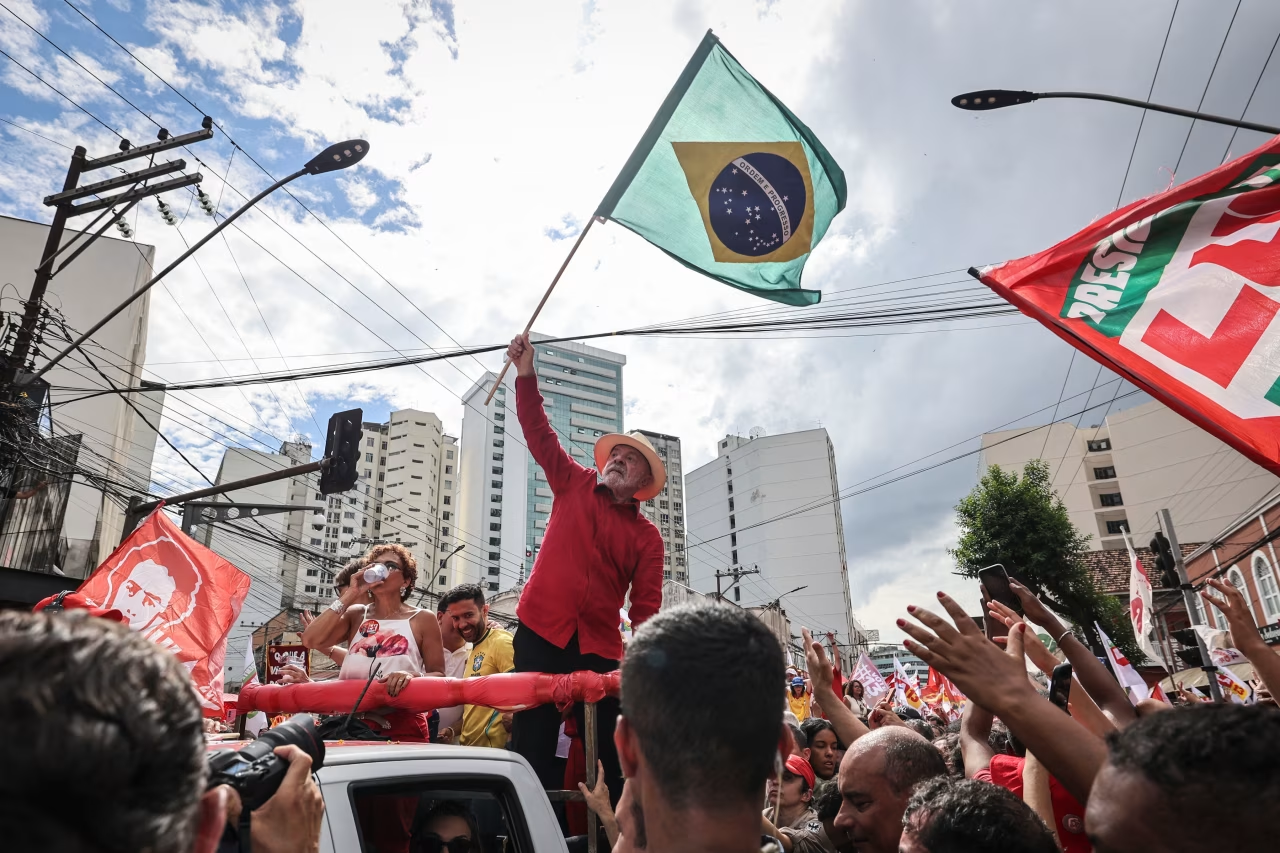
从英国和意大利到日本和南非,投票率都在下降。据民主观察组织国际民主与选举协会(International IDEA)称,全球适龄成年人投票率从2008年的65%下降至2023年的56%。该组织表示,社交媒体放大的激烈政治斗争既能激发忠实支持者,也可能加剧两极分化、削弱信任,并在全球范围内助长选民冷漠。
Last year, electoral authorities struck some five million people from the rolls for missing three consecutive elections without providing an excuse or paying a fine. Turnout has fallen in countries from Britain and Italy to Japan and South Africa. Globally, the share of voting-age adults casting ballots fell from 65% in 2008 to 56% in 2023, according to International IDEA, a democracy watchdog.
在巴西,2003年首次就职的达席尔瓦还面临现任总统的额外负担。
Bitter political battles amplified by social media can energize loyal supporters but also deepen polarization, erode trust and fuel voter apathy worldwide, IDEA said.
政治学家表示,对于对政治感到幻灭的选民来说,为了维持现状而投票是一项难以推销的主张。与此同时,博索纳罗从南美洲更广泛的右转趋势中获益,保守派领导人在对暴力犯罪的恐惧和对经济困难的愤怒中掌权。
In Brazil, da Silva, who first took office in 2003, faces the added burden of incumbency. For voters disillusioned with politics, casting a ballot to preserve the status quo can be a difficult sell, political scientists said.
随着最近几天民调趋于胶着——一些民调甚至显示双方势均力敌——达席尔瓦正在最后阶段争取选票,瞄准70岁以上的巴西人。对该群体而言,投票是可选的,第一轮投票中近一半人未投票。
Meanwhile, Bolsonaro has benefited from a broader shift to the right across South America, where conservative leaders have swept to power amid fears over violent crime and anger over economic hardships. In a final scramble for votes as polls have tightened in recent days—with some now showing a statistical tie—da Silva is targeting Brazilians over the age of 70.
“如果我已经80岁了,还在这里跳来跳去、竞选总统,为什么会有70岁的人说‘哦,我不需要投票’?”达席尔瓦在最近一次集会上如此问道。“站起来去投票吧,我的朋友。巴西需要你。”他的支持者们还响应了一个名为“Vovó Vota”(即“奶奶投票”)的非党派社交媒体活动,鼓励年轻人带着祖父母去投票。
Voting is optional for this group, and nearly half stayed home in the first round. “If I’m 80 and I’m here jumping around and running for president, why would a 70-year-old say, ‘Oh, I don’t need to vote’?” da Silva asked at a recent rally. “Get off your backside and go vote, my friend. Brazil needs you.”His supporters have also embraced a nonpartisan social-media campaign called “Vovó Vota,” or “Grandma Votes,” which encourages young people to take their grandparents to vote.
许多年长的巴西人经历过军政府时期,那时贾伊尔·博尔索纳罗还是一名陆军上尉,他们对达席尔瓦印象深刻,记得他曾是挑战政权的工会领袖,早在腐败争议玷污其道德形象之前。
Many older Brazilians lived through the military dictatorship, when Jair Bolsonaro served as an army captain, and remember da Silva fondly as a union leader who challenged the regime, long before corruption controversies tarnished his moral standing.
“这是我的权利,更是我的义务,”74岁的立法顾问兼公务员齐塔·德·莫拉·莱阿尔说,她表示计划投票给达席尔瓦,以确保“巴西民主的延续”。
“It is my right and, above all, my duty,” said Zita de Moura Leal, 74, a legislative consultant and public servant, who said she planned to vote for da Silva to ensure “the continuity of democracy in Brazil.”