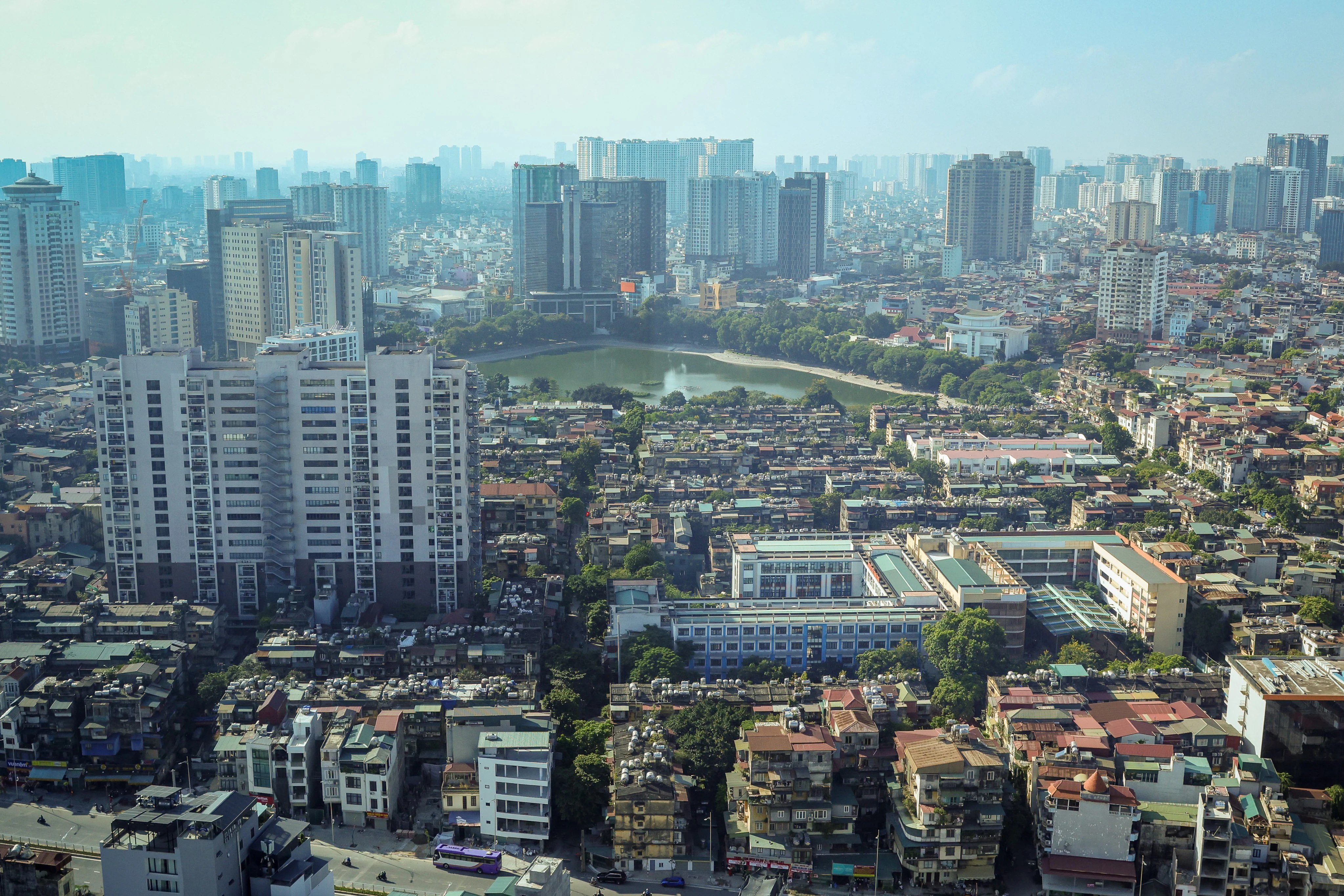
自2024年8月上台以来,总书记苏林强调了他将越南建设成为2045年高收入国家的雄心。为实现这一目标,国会4月通过的一项决议设定了到2030年平均年增长率10%的目标,预计基础设施建设将成为主要增长引擎。
Since coming to power in August 2024, General Secretary To Lam has emphasised his ambition to turn Vietnam into a high-income country by 2045. Towards this goal, a National Assembly resolution in April set a target of average annual growth of 10 per cent through 2030, with infrastructure building expected to serve as a major growth engine.
然而,由于国内和外部的双重制约,越南难以调动足够资本来为这一雄心勃勃的议程提供资金。因此,河内面临一个选择:要么将增长目标与其能以合理成本筹集的资本相匹配,要么接受大幅更高的经济风险。
However, Vietnam is struggling to mobilise sufficient capital to finance this ambitious agenda because of both domestic and external constraints. Hanoi therefore faces a choice: align its growth targets with the capital it can raise at a reasonable cost or accept considerably greater economic risks.
这些项目凸显了挑战的规模。南北高铁预计耗资670亿美元,而总装机容量为4000兆瓦的两座宁顺核电站预计耗资至少220亿美元。据估计,为越南2026年至2030年的高增长计划提供资金,每年需要约2970亿美元,相当于名义GDP的40%。
The projects illustrate the scale of the challenge. The North–South high-speed railway is projected to cost US$67 billion, while the two Ninh Thuan nuclear power plants, with a combined capacity of 4,000 megawatts, are expected to cost at least US$22 billion. Financing Vietnam’s high-growth plans for 2026–2030 is estimated to require about US$297 billion annually, or 40 per cent of nominal GDP.
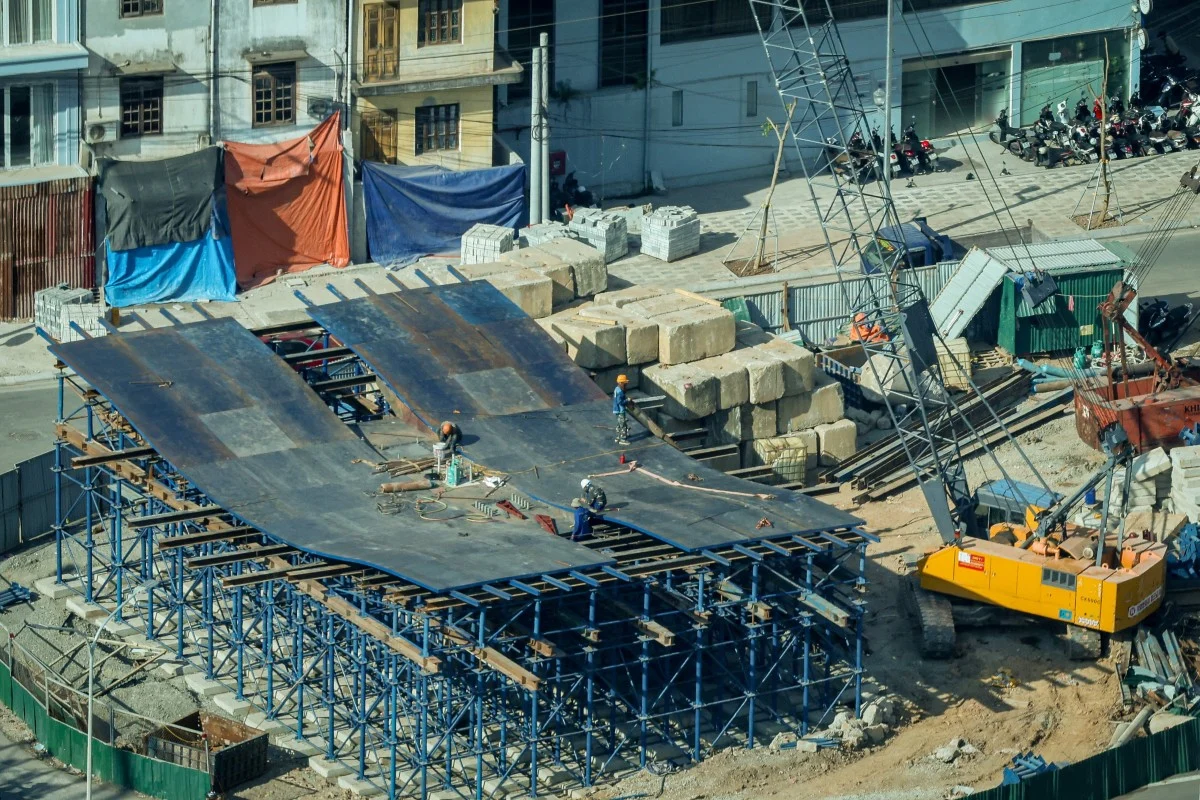
国内银行承担了这笔负担的大头。银行贷款占越南融资结构的约83%,债券占13%,股权融资占4%。截至6月底,未偿贷款余额达19970万亿越南盾(约合7600亿美元),同比增长18.1%。上半年信贷增长7.41%,而存款仅增长5.02%,推高贷存比至约112%。
Domestic banks carry most of this burden. Bank lending accounts for about 83 per cent of Vietnam’s financing mix, compared with 13 per cent for bonds and 4 per cent for equity. By late June, outstanding credit reached 19,970 trillion Vietnamese dong (US$760 billion), up 18.1 per cent year on year. Credit expanded by 7.41 per cent in the first half, while deposits grew by only 5.02 per cent, pushing the loan-to-deposit ratio to about 112 per cent.
银行通过更激烈地争夺资金作出回应。挂牌的6至12个月存款利率普遍为5.0%至6.5%,符合越南国家银行维持低利率的努力。但实际上,据报道存款人通过私下协商获得的实际收益率为8.5%至11.0%。
Banks have responded by competing more aggressively for funding. Posted six- to 12-month deposit rates are generally 5.0 per cent to 6.5 per cent, in line with the State Bank of Vietnam’s efforts to keep rates low. In practice, however, depositors are reportedly offered effective yields of 8.5 per cent to 11.0 per cent through private negotiations.
稀缺的信贷资源分配也极不均衡。6月,18个需资752万亿越南盾的重大项目获豁免,不受标准信贷增速限制。开发商包括Vingroup、Sun Group和Masterise等规模大、关系硬的大型企业集团。相比之下,占越南企业98%的中小企业,仅获得约20%的银行信贷。它们面临10%至12%的贷款利率,且93.5%的贷款要求抵押。然而,中小企业却承担了大部分就业和居民收入。
Scarce credit is also distributed unevenly. In June, 18 major projects requiring 752 trillion dong were exempted from standard credit-growth limits. Developers include large and well-connected conglomerates like Vingroup, Sun Group and Masterise. By contrast, small and medium-sized enterprises (SMEs), which account for 98 per cent of Vietnamese firms, receive only about 20 per cent of bank credit. They face lending rates of 10 per cent to 12 per cent, while 93.5 per cent of loans require collateral. Yet SMEs account for most employment and household incomes.
压力已现端倪:7月新登记注册企业同比下降13.9%,而完成注销的企业激增270%。笔者近期赴河内和胡志明市实地走访发现,许多中小企业因无法获得维持或扩大经营所需的信贷而陷入困境。这发生在前9个月GDP增速高达9%的耀眼头条数据背景下。
The strain is already visible: new business registrations fell 13.9 per cent year on year in July, while completed dissolutions rose by 270 per cent. This writer’s recent field trip to Hanoi and Ho Chi Minh City revealed that many SMEs are struggling because they cannot access the credit needed to sustain or expand operations. This is happening despite stellar headline GDP growth of 9 per cent in the first nine months of 2026.
高利率让房地产市场近乎停摆。平均住房贷款利率已达14%至16%,上半年全国住宅交易量同比暴跌36%。这抑制了投机、降低了房地产泡沫风险。
High interest rates have brought the property market close to a standstill. Average home-loan rates have reached 14 per cent to 16 per cent, while the number of residential property transactions nationwide fell by 36 per cent year on year in the first half. This has cooled speculation and reduced the risk of a property bubble.
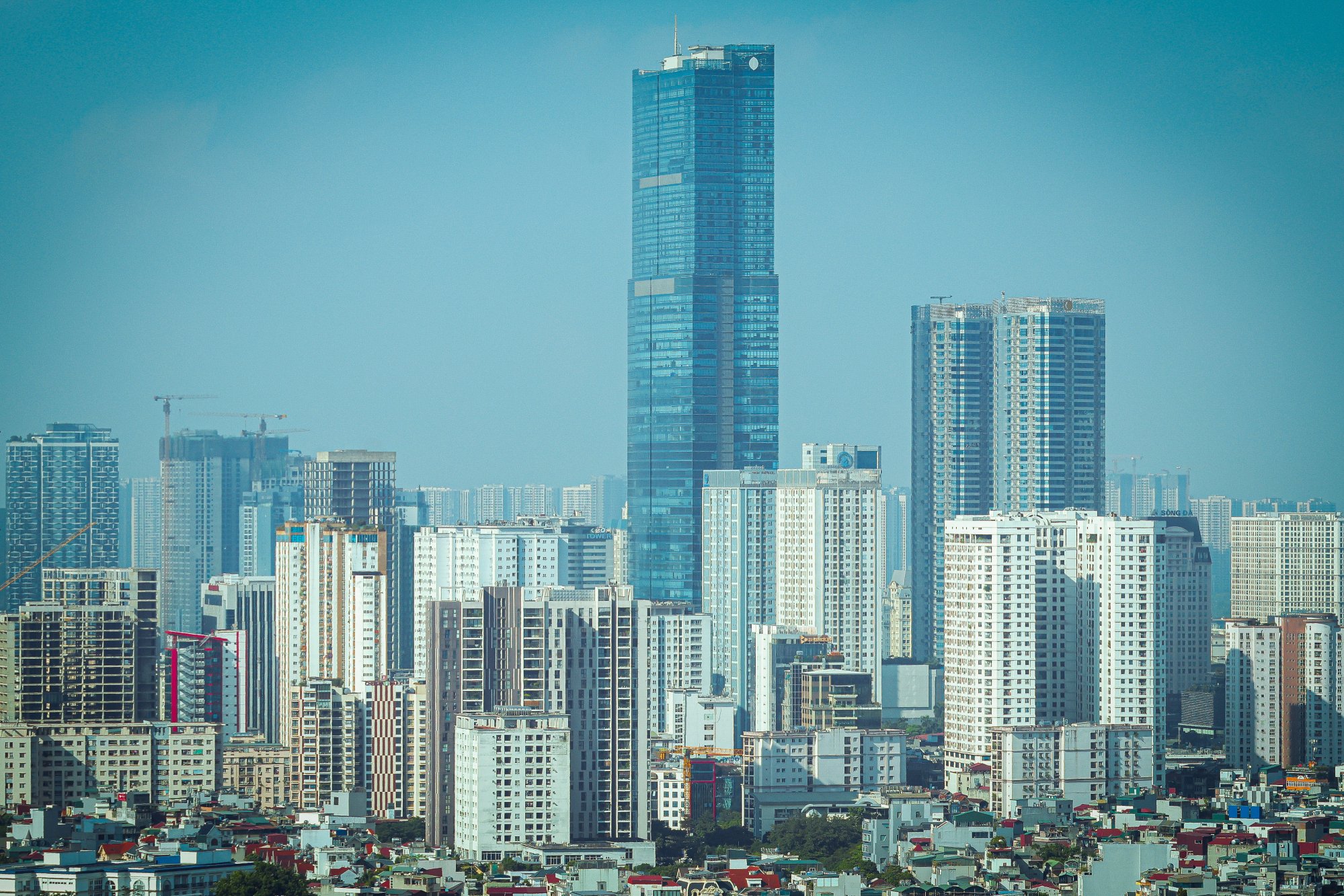
然而,高利率也催生了新脆弱性。开发商高度依赖房产销售回笼现金流,而其平均债券发行利率已升至11.4%,资产负债率攀升至74%,远高于2022至2025年平均54%的水平。现金流中断增加了还款困难转化为银行不良债权上升的风险。正如中国的经验所示,房地产长期低迷还会拖累居民信心、消费、公共财政和经济表现。
However, the high rates have also created new vulnerabilities. Developers depend heavily on property sales for cash flow, while their average bond issuance rate has risen to 11.4 per cent, and their debt-to-equity ratio has climbed to 74 per cent, against an average of 54 per cent during 2022 to 2025. Disrupted cash flows increase the risk that repayment difficulties will translate into higher bank bad debt. As China’s experience illustrates, a prolonged property slowdown can also weigh on household confidence, consumption, public finance and economic performance.
合乎逻辑的应对是向海外寻求资金,但外部选择依然有限。今年1月和2月启动的岘港和胡志明市国际金融中心,至今仅向几十名投资者发放了证书,而信用评级要求将一些主要外资银行拒之门外。主权债券发行受限于越南的信用评级,该评级在标普和惠誉的评级中比投资级低一级,在穆迪评级中低两级。
The logical response is to look abroad, but external options remain limited. The international financial centres in Da Nang and Ho Chi Minh City, launched in January and February, have issued certificates to only a few dozen investors, while credit-rating requirements exclude some major foreign banks. Sovereign bond issuance is constrained by Vietnam’s credit rating, which is one notch below investment grade from S&P and Fitch and two from Moody’s.
政府目标是在2030年实现投资级地位,分析师估计这最多可将借贷成本降低1.5个百分点。但这一红利来得太晚,赶不上当前启动的许多项目。
The government aims to achieve investment-grade status by 2030, which analysts estimate could cut borrowing costs by as much as 1.5 percentage points. But that benefit would come too late for many projects beginning now.
国际资本市场对越南企业和银行也变得不那么友好。美国10年期国债收益率约为5%,而美联储在9月将联邦基金利率目标区间上调至3.75%至4%。全球对资本的旺盛需求,特别是为人工智能及相关技术融资的需求,正在加剧融资竞争。同时,地缘政治压力,包括美国主导的对伊朗战争和俄乌冲突,正推高越南等新兴市场必须支付的风险溢价。这有三个关键启示。
International capital markets are also becoming less welcoming to Vietnamese firms and banks. The US 10-year Treasury yield is about 5 per cent, while the Federal Reserve raised its target range to 3.75 per cent to 4 per cent in September. Surging global demand for capital, particularly to finance AI and related technologies, is intensifying competition for funding. Meanwhile, geopolitical pressures, including the US-led war against Iran and the Russia-Ukraine conflict, are pushing up the risk premium that emerging markets like Vietnam must pay. There are three key implications here.
第一,越南可能需要将增长雄心与其能以合理成本融资的规模相匹配,以缓解资金压力,让扩张步入更可持续的轨道。
First, Vietnam may need to align its growth ambitions with what it can finance at a reasonable cost, to ease funding pressures and put expansion on a more sustainable footing.
第二,如果河内在国内利率居高不下的情况下维持现有目标,整个经济将承受压力,中小企业恐将首当其冲。高昂的借贷成本可能导致更多企业倒闭,抑制民间投资,使经济变得更加脆弱,即便基建支出支撑了表面的GDP增长。
Second, if Hanoi maintains its targets while domestic interest rates remain high, the wider economy will bear the strain, with SMEs likely to feel it first. High borrowing costs could produce more closures and discourage private investment, leaving the economy more fragile even as infrastructure spending sustains headline GDP growth.
第三,越南将日益需要国际融资,这为外国银行和其他信贷机构提供了机会。但对债务的更大依赖也带来风险。许多公共基础设施并不能产生足够的直接回报来偿付用于建设的借款。在长期高利率的环境下,过度的债务融资投资可能削弱政府和越南企业的偿债能力。
Third, Vietnam will increasingly need international funding, creating opportunities for foreign banks and other credit institutions. But greater reliance on debt carries risks. Much public infrastructure does not generate direct returns sufficient to service the borrowing used to fund it. In an environment of prolonged high interest rates, excessive debt-financed investment could weaken the repayment capacity of both the government and Vietnamese enterprises.
越南仍然可以建设所需的道路、铁路、机场和能源基础设施,只是未必能达到原先设想的速度。雄心必须与可负担的资本相匹配,而二者正日益出现脱节。更为精准的增长目标将降低融资压力,并减少日后更昂贵的债务调整风险。
Vietnam can still build the roads, railways, airports and energy infrastructure it needs, but not necessarily at the pace envisaged. Ambition must be matched by affordable capital, and the two are increasingly moving apart. A more calibrated growth target would reduce financing pressures and the risk of a costlier debt adjustment later.