中国比亚迪将在欧洲建设新工厂以争取更大市场份额,据一位高管透露,这家全球最大的电动汽车(EV)制造商正面临国内财政支持收缩和海外贸易壁垒升高的双重挑战。
China’s BYD will build new factories in Europe for a bigger market share, as the world’s largest electric vehicle (EV) maker faces fiscal support pullback at home and rising trade barriers overseas, according to an executive.
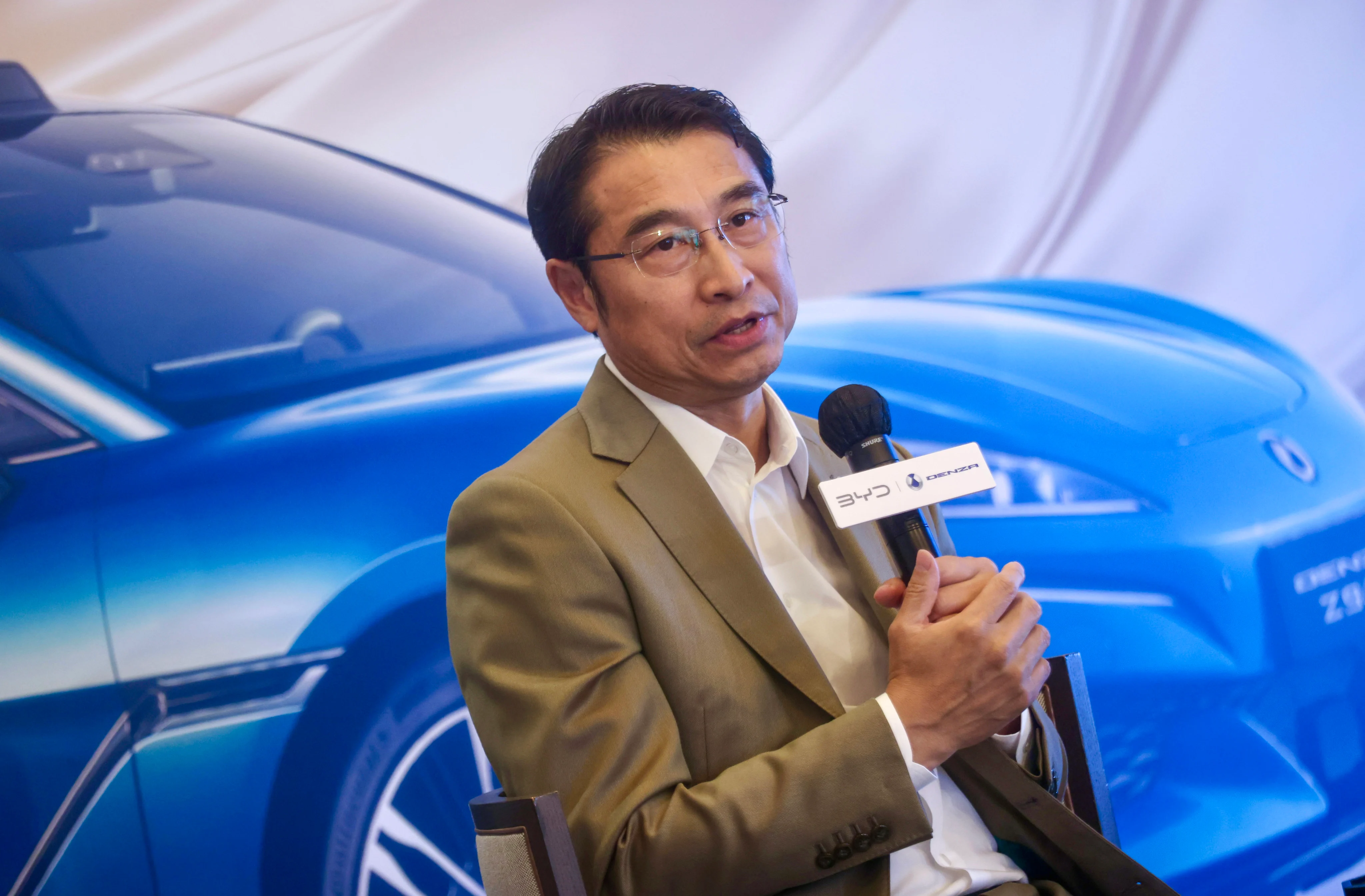
“欧洲是比亚迪非常重要的区域市场。我们不会让关税上调影响当地消费者选择比亚迪,”比亚迪副总裁刘学良在近期接受采访时表示。
“Europe is a very important regional market for BYD. We will not let tariff increases affect local consumers’ choice of BYD,” said Liu Xueliang, vice-president at the Shenzhen-based carmaker, in a recent interview.
刘学良还重申,比亚迪正在积极拓展本地版图,欧洲新工厂将“很快”投产。
Liu also reaffirmed that BYD was actively expanding its local footprint, with new plants in Europe set to be launched “soon”.
这与比亚迪海外业务首席执行官李柯(Stella Li)本月初披露的计划一致,即匈牙利工厂将于今年最后一个季度开始量产。
It aligned with a plan revealed by BYD’s overseas CEO Stella Li earlier this month that a plant in Hungary will kick off mass production in the last quarter of the year.
比亚迪对在全球第三大区域汽车市场实现本地生产的承诺,是在欧盟于10月中旬宣布将对中国进口混合动力汽车实施配额限制、并在两年前将中国产纯电动汽车关税最高提高至45.3%之后作出的。
The commitment to BYD’s local production in the world’s third-largest regional car market came after the European Union said in mid-October it would impose a quota on the hybrid cars imported from China, two years after hiking the tariffs on Chinese-made all-electric vehicles to as high as 45.3 per cent.
10月12日,中国宣布自2027年4月1日起,将新能源汽车出口退税率由13%下调至9%。
On October 12, China announced that the value-added tax rebate rate on exports of new energy vehicles will be lowered from 13 per cent to 9 per cent starting April 1, 2027.
摩根大通周二在一份研报中指出,加上消费税恢复征收,中国电动汽车行业的盈利能力可能会“比预期更快”恶化。
Together with the resumed battery consumption tax, China’s EV industry might see its profitability worsen “faster than expected”, JPMorgan said in a note on Tuesday.
得益于东南亚已建成的工厂,刘学良预计出口退税下调对该市场销售的影响有限。
Thanks to the established factories in Southeast Asia, BYD’s Liu expected the export tax rebate reduction to have limited impact on sales in the market.
他补充道,除了全球油价冲击带来的电动汽车需求增长外,比亚迪将继续扩大海外产能。
In addition to the growing demand for EVs amid the global oil shock, BYD will continue to increase its overseas capacity, he added.
不过,刘学良指出,比亚迪尚未决定是否在海外市场提高售价以转嫁税收成本,因为价格竞争也在加剧。
However, Liu noted that BYD had not yet decided whether to increase selling prices in overseas markets to pass on the tax costs, as competition over price points was also intensifying.
根据摩根士丹利10月13日发布的一份研报,截至10月,比亚迪在中国大陆以外的规划产能合计达100万辆电动汽车,其中仅30%在欧洲。
BYD’s planned capacities outside mainland China totalled 1 million EVs as of October, with only 30 per cent in Europe, according to a note by Morgan Stanley on October 13.
欧洲汽车制造商协会的数据显示,今年前九个月,比亚迪在欧盟新车市场的份额从一年前的1%跃升至2.4%,同期新车注册量激增154.4%至206,002辆。
BYD’s share in the EU’s new car market surged to 2.4 per cent in the first nine months of the year from 1 per cent one year ago, after new car registrations swelled 154.4 per cent to 206,002 units over the same period, data from the European Automobile Manufacturers’ Association showed.
尽管比亚迪加大了对欧洲的出口力度,但国内需求萎缩拖累上半年净利润同比暴跌逾20%至123亿元人民币(约18.4亿美元)。
Even though BYD stepped up its efforts in exports to Europe, the shrinking demand at home dragged the first-half net profit to slump over 20 per cent year on year to 12.3 billion yuan (US$1.84 billion).
为提升盈利能力,比亚迪加快了旗下高端车型腾势Z9GT的海外上市步伐。该车于4月在欧洲全球首发后,车企于周五在香港发布Z9GT车型,起售价为99.8万港元(约12.726万美元),较中国大陆26.98万元的起售价高出逾200%。
To improve profitability, BYD accelerated the overseas launch of its premium model Denza Z9GT this year. After a global debut in Europe in April, the carmaker unveiled the Z9GT model in Hong Kong on Friday with a starting price of HK$998,000 (US$127,260), over 200 per cent higher than that of 269,800 yuan in mainland China.
但刘亦承认,比亚迪在海外市场面临“诸多挑战”,正致力于实现董事长王传福在6月股东年会上宣布的目标:到2030年超越日本丰田,成为全球头号车企。
But Liu also admitted that BYD faced “many challenges” in overseas markets as it worked towards the goal of surpassing Japan’s Toyota and becoming the world’s top carmaker by 2030, which was announced by the chairman Wang Chuanfu at an annual meeting with shareholders in June.
刘补充称,在全球电动汽车规模效应的支撑下,减少对化石燃料的依赖,远比登顶榜首更有意义。
Instead, the reduced reliance on fossil fuels supported by the massive global EV scale was far more meaningful than reaching the No 1 spot, Liu added.