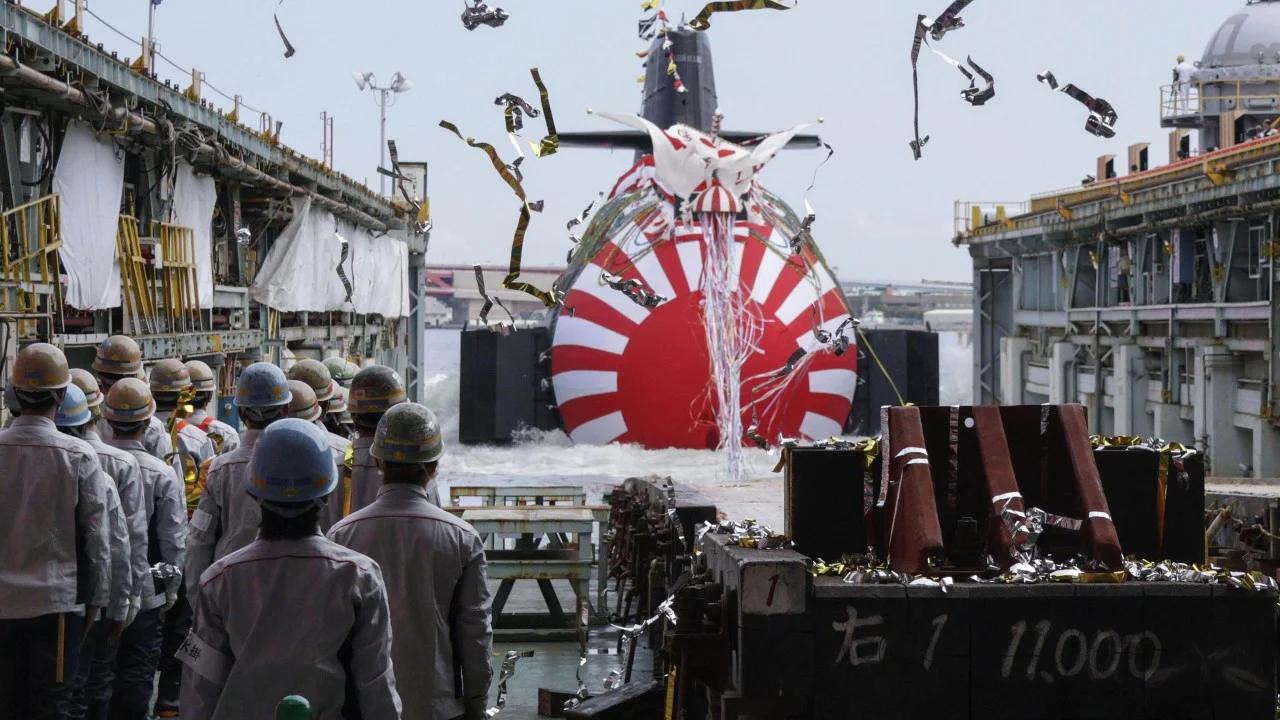
随着中国在太平洋地区展示海军实力、双边紧张关系居高不下,日本首相高市早苗正在权衡一项长期被视为禁忌的举措——为海上自卫队舰队配备核动力潜艇。
With China flexing its naval power across the Pacific and bilateral tensions running high, Japanese Prime Minister Sanae Takaichi is weighing a move long viewed as taboo – nuclear-powered submarines for the Maritime Self-Defence Force fleet.
“我们将以具体且现实的方式认真考虑(这一可能性),”高市早苗10月14日在日本国会表示。
“We will seriously consider [the possibility] in a concrete and realistic manner,” Takaichi told the Japanese parliament on October 14.
然而,在东京定于年底前修订其核心安全文件之际,这一提议正在使执政联盟产生分歧。
Yet with Tokyo set to revise its core security documents by year’s end, the proposal is dividing the ruling coalition.
作为执政联盟中的较小伙伴,日本维新会希望尽快引入核动力推进,而高市早苗所在的自民党的一些议员则在质疑,军事上的收益是否足以证明高昂成本和法律障碍是合理的。
The Japan Innovation Party – the junior coalition partner – wants nuclear propulsion introduced quickly, while some lawmakers from Takaichi’s Liberal Democratic Party are asking whether the military benefits justify the high costs and legal hurdles.
争议的核心在于:日本已经拥有一支先进的常规潜艇舰队,并且正在发展无人海上作战能力,是否还需要核动力潜艇。
At issue is whether Japan needs nuclear-powered submarines when it already operates an advanced conventional submarine fleet and is developing uncrewed maritime capabilities.
防卫大臣小泉进次郎去年12月对国会表示,日本的和平宪法并不禁止军舰采用核动力推进。
Defence Minister Shinjiro Koizumi told parliament last December that Japan’s pacifist constitution did not prohibit nuclear propulsion for military vessels.
但日本的《原子能基本法》将核能限制用于和平目的。历届政府均将此解释为排除军事核动力推进,高市早苗内阁当月晚些时候重申了这一立场。
But the country’s Atomic Energy Basic Act restricts nuclear energy to peaceful purposes. Successive governments have interpreted this as ruling out military nuclear propulsion, a position Takaichi’s cabinet reaffirmed later that month.
北京方面批评了这一有争议的提议。中国外交部发言人毛宁10月16日指责东京寻求逐步放宽其核限制,并将该提议与围绕日本核政策的更广泛辩论联系起来。毛宁警告说,此类举动威胁地区和平与稳定。
Beijing has criticised the controversial proposal, with Chinese foreign ministry spokeswoman Mao Ning on October 16 accusing Tokyo of seeking to gradually loosen its nuclear restrictions and linking the proposal to the wider debate over Japan’s nuclear policies. Such moves threatened regional peace and stability, Mao warned.
这场辩论之际,东京对中国人民解放军在西太平洋日益扩大的行动愈发担忧。
The debate comes amid growing concern in Tokyo about the People’s Liberation Army’s expanding operations in the western Pacific.
10月16日,小泉进次郎表示,中国的军事行动正在扩大,而日本在太平洋地区的情报收集和监视能力仍然有限,因此加强防御迫在眉睫。
On October 16, Koizumi said China’s military operations were expanding while Japan’s Pacific intelligence-gathering and surveillance capabilities remained limited, making stronger defences urgent.
防御手段包括水下装备。日本的常规潜艇尤其适合保卫其西南岛屿周边的海上咽喉要道,在这些地方以低速安静航行使它们能够有效地实施伏击。核动力潜艇也可以保卫这些咽喉要道,但其优势在于速度和航程。
The defences include underwater assets. Japan’s conventional submarines are particularly well-suited to defending the maritime chokepoints around its southwestern islands, where operating quietly at low speeds makes them effective in ambushes. Nuclear-powered submarines could also defend these chokepoints, but their advantage lies in speed and range.
常规潜艇只能在水下以高速航行有限的时间,之后电池就需要充电。核动力潜艇则能够在更长的距离上持续保持水下高速。
Conventional submarines can only travel at high speeds underwater for a limited time before their batteries need recharging. Nuclear-powered boats can sustain high underwater speeds over much longer distances.
这可能有助于日本以更快的速度抵达西太平洋的中国海军力量,在巡逻区域或拦截点之间随着对方改变航向而转移,并在攻击后更快地从危险水域撤退。这种机动性和续航能力代价高昂。
That could help Japan reach Chinese naval forces in the western Pacific with greater speed, shift between patrol areas or interception points as they change course, and retreat more quickly from dangerous waters after an attack. Such mobility and endurance would be costly.
麻省理工学院安全学者埃里克·赫金博瑟姆今年1月对《日本时报》表示,核动力潜艇的采购成本大约是常规潜艇的两到三倍,运行成本是常规潜艇的四倍,具体取决于设计。
Eric Heginbotham, a Massachusetts Institute of Technology security scholar, told The Japan Times in January that nuclear-powered submarines could cost roughly two to three times as much to buy and four times as much to operate as conventional boats, depending on design.
哈德逊研究所研究员村野将和四位同事在6月的一项研究中估计,在支出相近的情况下,日本可以采购并维持六艘核动力攻击潜艇(SSN)或10艘大型常规导弹潜艇,作为22艘常规潜艇基线舰队的补充。
A June study by Hudson Institute researcher Masashi Murano and four colleagues estimated that, for similar expenditure, Japan could acquire and maintain six nuclear-powered attack submarines (SSNs) or 10 large conventional missile submarines, supplementing a baseline fleet of 22 conventional boats.
研究人员还估计,在任何给定时间平均会有一到两艘核动力潜艇处于部署状态,而大型常规导弹潜艇则为三艘。
The researchers also estimated that an average of one or two nuclear-powered boats would be deployed at any given time, compared with three of the large conventional missile submarines.
他们的结论是,常规导弹潜艇与水下无人机相结合,很可能在常规战争方面为日本提供更好的性价比。
They concluded that conventional missile submarines combined with underwater drones would be likely to offer Japan better value for conventional warfare.
在一次采访中,村野表示:“核动力推进扩大了潜艇的航程,但一艘在位的潜艇无法在广阔的太平洋上盲目搜寻中国的核动力攻击潜艇。”虽然核动力推进在远离本土时更有价值,但他质疑日本是否应优先考虑此类任务,并指出“远洋公海行动正是美国海军最强的地方”。
In an interview, Murano said: “Nuclear propulsion extends a submarine’s reach, but a single boat on station cannot search blindly for Chinese SSNs across the vast Pacific.”While nuclear propulsion becomes more valuable further from home, he questioned whether Japan should prioritise such missions, noting that “distant open-ocean operations are where the US Navy is strongest”.
尽管拥有先进的潜艇建造工业和民用核能专业知识,日本仍需要全新的军事基础设施来支持核动力潜艇。
Despite its sophisticated submarine-building industry and civilian nuclear expertise, Japan would need entirely new military infrastructure for nuclear-powered submarines.
防卫大臣小泉于10月9日强调了核动力推进在财政和技术上的要求,指出核反应堆昂贵,需要更大的潜艇艇体,并且需要专业人才来操作和维护。
Defence Minister Koizumi highlighted the financial and technical demands of nuclear propulsion on October 9, noting that nuclear reactors were expensive, required larger submarine hulls and demanded specialist expertise for their operation and maintenance.
他表示,核动力潜艇通常被认为比常规潜艇噪音更大,尽管其声学性能正在改善。另一个关键问题是日本将如何获得舰用反应堆技术。
He said nuclear-powered submarines were generally considered noisier than conventional boats, although their acoustic performance was improving. Another pivotal question is how Japan would obtain naval reactor technology.
东京将不得不开发自己的推进系统,或从美国或法国等国获得帮助,这一选择将影响潜艇设计、建造成本以及对国外供应商的长期依赖。
Tokyo would have to develop its own propulsion system or get help from countries such as the United States or France, with the choice affecting submarine design, construction costs and long-term dependence on foreign suppliers.
美国的核动力潜艇使用高浓缩铀,而日本目前无法生产,而法国的设计使用低浓缩铀,更接近民用反应堆使用的燃料。
American nuclear-powered submarines use highly enriched uranium, which Japan cannot currently produce, while French designs use low-enriched uranium that is closer to the fuel used in civilian reactors.
日本还需要专门的造船厂、维护设施、核安全系统以及训练有素的舰用反应堆人员。
Japan would also need specialised shipyards, maintenance facilities, nuclear-safety systems and trained naval reactor personnel.
一艘美国弗吉尼亚级核动力潜艇需要约140名艇员——大约是“大鲸”级潜艇编制人数的两倍。
A US Virginia-class nuclear-powered submarine requires about 140 crew members – roughly twice the complement of a Taigei-class boat.
还需要额外人员用于维护、技术支持和核安全,这给日本本已捉襟见肘的军力带来进一步压力。这一转变也将需要相当长的时间。
Additional personnel would be needed for maintenance, technical support and nuclear safety, placing further pressure on Japan’s already overstretched military. The transition would take considerable time as well.
穆拉诺估计,即使现在就开始研发,日本也需要“十年或更长时间”才能让首艘核动力潜艇服役——“现实一点说,不会早于2030年代末,更可能是2040年代”。因此,建立一支可持续作战的潜艇舰队将需要更长时间。
Murano estimated that even if development began now, Japan would need “a decade or more” to field its first nuclear-powered submarine – “realistically not before the late 2030s and more likely the 2040s”. Establishing a sustainable operational fleet would therefore take even longer.
这给东京带来一个直接问题:投入数十亿美元发展核动力潜艇,是否比扩大现有常规潜艇力量、进一步开发无人海上能力具有更大的军事价值。
That raises an immediate question for Tokyo: whether investing billions in nuclear-powered submarines would deliver greater military value than expanding its existing conventional submarine force and further developing its uncrewed maritime capabilities.
华威大学国际政治与日本研究教授克里斯托弗·休斯质疑,对抗解放军海军是否必然是日本对核动力潜艇感兴趣的“首要功能”。他提出,东京可能是在寻求一种生存能力更强的常规反击能力。
Christopher Hughes, a professor of international politics and Japanese studies at the University of Warwick, questioned whether countering the PLA Navy was necessarily the “prime function” of Japan’s interest in nuclear-powered submarines. Tokyo might instead be seeking a more survivable conventional counterstrike capability, he suggested.
但这未必需要核动力推进。日本正在研究如何将垂直导弹发射系统整合到未来潜艇中。
But this would not necessarily require nuclear propulsion. Japan is studying how to integrate vertical missile-launch systems into future submarines.
智库兰德公司的日本事务负责人杰弗里·霍农表示,如果他是一名日本议员,他会要求评估核动力潜艇是否能填补日本能力中的“一个重要缺口”。
Jeffrey Hornung, Japan lead for the think tank Rand Corporation, said that if he were a Japanese lawmaker, he would seek an assessment of whether nuclear-powered submarines would close “an important gap” in Japan’s capabilities.
他说,如果常规潜艇、水下无人机和先进水雷能够满足这些需求,那就应该让政策制定者在匆忙采购之前“有理由停下来想一想”。
If conventional submarines, underwater drones and advanced mines could meet those needs, that should give policymakers “reason for pause” before rushing into acquisition, he said.