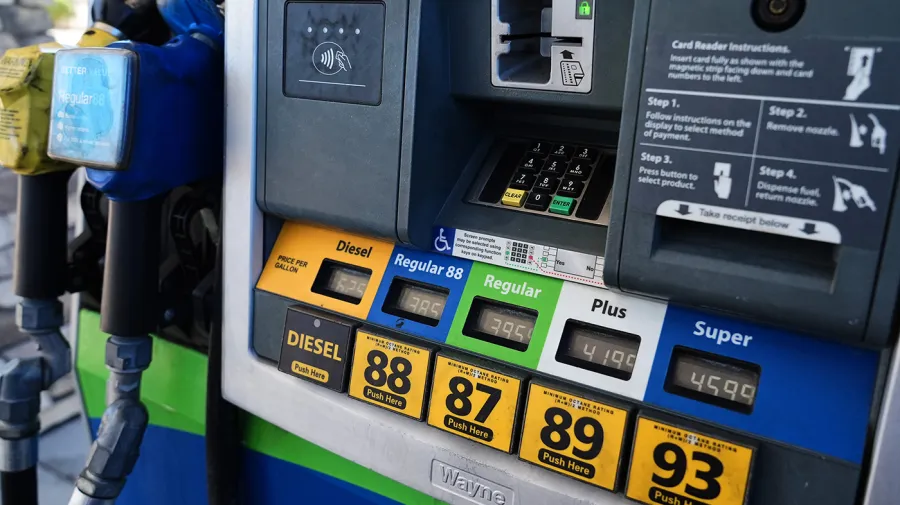
汽油、柴油和食品价格居高不下,预计将维持高位直至选举日,这给共和党制造了强劲的政治逆风,他们面临失去众议院控制权的严重风险,甚至可能失去参议院控制权。据经济专家称,特朗普总统与俄罗斯达成的柴油协议对燃油价格几乎没有持久影响。周五,柴油全国平均价格为每加仑6.28美元,显著高于特朗普下令打击伊朗之前的水平,当时为2月份的每加仑3.72美元。
Gas, diesel and food prices are high and expected to remain elevated through Election Day, creating a strong political headwind for Republicans who are at serious risk of losing control of the House and possibly the Senate, as well. President Trump's diesel deal with Russia has had little lasting impact on fuel prices, according to economic experts. The national average price of diesel stood at $6.28 a gallon on Friday, significantly higher than where it was before Trump launched strikes against Iran, which was $3.72 per gallon in February.
尽管特朗普采取干预措施控制全美经济成本,高昂的燃油价格仍推高了食品价格。尽管特朗普8月下令进口30万公吨外国牛肉,绞肉价格目前仍徘徊在每磅6.80美元左右。消费者借贷利率居高不下,包括30年期固定抵押贷款利率,目前为7.32%。国会于7月通过了《21世纪住房法案》,但对多年来最糟糕的房地产市场几乎没有影响。
High fuel prices have pushed up food prices, despite Trump’s interventions to control costs across the U.S. economy. The price of ground beef is now hovering around $6.80 a pound despite Trump's order in August to import 300,000 metric tons of foreign beef. Consumer borrowing rates are high, including the rate for a 30-year fixed mortgage, which stands at 7.32 percent. Congress passed the 21st Century Road to Housing Act in July but it has had little impact on the worst housing market in years.
据全国房地产经纪人协会称,9月待售房屋签约量较8月下降7.3%,同比下降11.3%。针对住房负担能力危机的严重性,特朗普周四签署行政令,旨在降低保费、再融资成本以及部分政府担保住房贷款的利率,但不太可能在11月3日前产生太大影响。这些因素共同造就了一个让选民情绪低落的经济环境,使民主党有机会在阿拉斯加、爱荷华、堪萨斯和得克萨斯等倾向共和党的州赢得参议院席位。
Pending home sales dropped 7.3 percent from August to September, representing an 11.3 percent year-over-year decline, according to the National Association of Realtors.
“经济学家告诉我们经济状况良好,特朗普政府有许多漂亮的数据,但底线是美国人没有这种感觉。许多美国人觉得他们的钱不如以前耐用了。
Recognizing the gravity of the housing affordability crisis, Trump on Thursday signed an executive order to lower insurance premiums, refinancing costs and interest rates on some government-backed home loans, but it’s unlikely to have much impact before Nov. 3.
“他们为汽油支付更高的价格,为食品杂货支付更高的价格,”共和党策略师布莱恩·达林说。达林表示,特朗普与俄罗斯达成的柴油协议对燃油价格影响不大。“柴油价格真的很高,这是我们目前在经济中看到的最极端的能源通胀,”他说。他警告称,如果“汽油价格一直上涨到选举日,这对共和党来说是个坏消息”。“这一直是共和党的一个真正问题,”他说。“如果它们在现在和选举日之间上涨,那可能会成为许多胶着竞选中的决定性因素。”
It adds up to an economic environment that has put voters in a sour mood and gives Democrats a chance to capture Senate seats even in Republican-leaning states such as Alaska, Iowa, Kansas and Texas. “The economists tell us the economy is doing well, there are a lot of great numbers for the Trump administration but the bottom line is Americans aren’t feeling it. Many Americans feel like their dollars aren’t going as far. They’re paying higher prices for gas, higher prices for groceries,” said Brian Darling, a Republican strategist.
特朗普周四宣布,他将援引《国防生产法》以提振国内石油生产和炼油能力。这一宣布是在特朗普震惊共和党参议员、宣布与俄罗斯总统普京达成协议、将数十万吨俄罗斯柴油进口到美国后几周作出的。但经济专家表示,特朗普与俄罗斯的协议及其最近援引《国防生产法》几乎不会在选举日前影响价格。
“汽油价格不会下降,直到我们结束与伊朗的战争,并通过霍尔木兹海峡增加生产和运输,”斯坦福大学经济学教授尼尔·马奥尼说。他指出,特朗普与伊朗就重新开放霍尔木兹海峡的谈判“在过去几周基本陷入僵局”,并预测:“我不指望这一趋势会有任何急剧偏离。”
Darling said Trump’s diesel deal with Russian hasn’t had much of an impact on fuel prices. “Diesel prices are really high and that is the most extreme energy inflation that we’re seeing in the economy right now,” he said. He warned that if “gas prices creep up right up to Election Day, that’s bad news for Republicans.”
布伦特原油期货周五升至六个月高位,涨幅超过3%,收于每桶116美元。另一基准原油西德克萨斯中质原油周五上涨近4%,收于每桶103美元。专家表示,这反过来正给食品价格带来上行压力。
“柴油价格以及经霍尔木兹海峡出口的化肥减少,会随着时间推移影响经济,”马奥尼说。
“That is something that’s been a real problem for Republicans,” he said. “If they go up between now and Election Day, that may be a tiebreaker in many of these close races.”Trump on Thursday announced that he would invoke the Defense Production Act to boost domestic oil production and refining capacity.
“随着时间的推移,化肥价格的上涨会逐渐传导至农产品价格。”他警告说:“我们预计,随着进入秋末和冬季,农产品价格将走高,加上厄尔尼诺现象——指预计未来几个月将影响天气模式的太平洋海水温度升高——将给全球粮食供应带来压力。”“这两重冲击叠加将给食品价格带来更大压力。汽油和食品是消费者最常接触的价格,”他补充道。
The announcement came a few weeks after Trump shocked Republican senators by announcing a deal with Russian President Vladimir Putin to import hundreds of thousands of tons of Russian diesel into the United States. But economic experts say Trump’s deal with Russia and his recent invocation of the Defense Production Act will hardly impact prices before Election Day.
“在民意调查和焦点小组中,人们表示对这两项最为不满。”政治和政策专家表示,物价的持续上涨助长了公众对美国经济日益悲观的情绪,以及选民对特朗普经济管理的愤怒。密歇根大学消费者调查周五报告称,美国10月消费者信心指数跌至接近历史最低水平,为有记录以来第二低,仅次于5月创下的纪录。与伊朗战争爆发前的2月相比,消费者对经济的乐观程度下降了15%,当时战争导致油价飙升。
“Gas prices are not going to come down until we have an end to the war” with Iran and there’s a “ramp-up of production and shipping through the Strait of Hormuz,” said Neale Mahoney, a professor of economics at Stanford University. He noted that Trump’s negotiations with Iran to reopen the Strait of Hormuz have “been largely going sideways over the last few weeks” and predicted, “I don’t expect any sharp deviations from that trend.”
CNBC最新发布的全美经济调查于周四公布,对象为1000名登记选民,结果显示,10位美国人中有8位将经济评为“一般”或“差”,35%的共和党人表示对经济持悲观态度。调查还发现,仅有33%的选民认可特朗普对经济的管理,而63%表示不认可。特朗普近几周加大力度试图扭转选民看法,采取果断行动应对成本问题,例如宣布一项80亿美元的救助计划,帮助农民在收获季承担柴油费用。
The price of brent crude oil rose to a six-month high on Friday, gaining more than 3 percent to close at $116 a barrel. West Texas Intermediate, the other oil benchmark, rose nearly 4 percent to close at $103 a barrel Friday.
总统还为战场州新增的投资邀功,例如他宣布将在爱荷华州建设一座投资150亿美元的Mesabi Metallics钢厂,创造1750个新就业岗位。
但政治和政策专家表示,选民对经济的负面看法大多已根深蒂固,特朗普在12月曾将可负担危机称为“骗局”,其为解决该危机所采取的行动不太可能改变许多人的想法。
That in turn is putting upward pressure on food prices, say experts.
布鲁金斯学会治理研究项目的高级研究员达雷尔·韦斯特说:“这些举措太少、太晚。尚不清楚这些举措是否能让物价下降。人们担心住房、医疗、托儿等问题,而他的举动并未实质性降低人们的生活成本。”他说:“他虽然达成了一些交易,却未能降低牛肉价格。问题在于,他做的许多事并未解决根本问题。”他指的是特朗普。
韦斯特补充说:“伊朗战争推高了燃油价格和制成品成本。许多行业只有两三四家公司,根本没有实质性的价格竞争。还有许多他未能解决的大结构性问题。”
共和党策略师达林表示,特朗普正努力向选民展示自己对经济的高度关注,但他也承认,总统未能结束与伊朗的冲突仍是共和党面临的重大政治难题,因为选民将成本上升归咎于战争。
“Diesel prices and also the reduced exports of fertilizer out of the Strait of Hormuz impact the economy over time,” Mahoney said.
达林说:“特朗普总统正努力四处奔走,举行集会,尝试达成交易,让经济稍有好转。但关键是,经济要改变需要很长时间。”他称与伊朗的军事冲突是‘最重要的问题’。
他说:“伊朗战争正在影响汽油价格、食品杂货价格。许多共和党人支持总统,是因为他不会发动新战争。但他们已感到幻灭。”
“Over time, the increase of the price of fertilizer works its way through into agricultural prices. “We expect to see higher agricultural prices heading into the rest of the fall and the winter, combined with El Niño, which is going to strain global food supply,” he warned, referring to the increase in ocean temperatures in the Pacific that are expected to impact weather patterns over the next several months. “Those two shocks together are going to put increased strain on food prices. Gas and food are the prices that consumers see most often,” he added. “They’re the ones in polling and in focus groups that [people] say they are the most frustrated about.” Political and policy experts say the relentless rise in prices have fueled growing public pessimism over the U.S. economy and voter anger over Trump’s management of the economy. The University of Michigan’s Surveys of Consumers reported on Friday that U.S. consumer sentiment dropped to near a record low in October, the second-lowest reading on record after the one set in May. Consumers are 15 percent less optimistic about the economy than they were in February, before the war in Iran sent oil prices soaring. The latest CNBC All-America Economic Survey of 1,000 registered voters published on Thursday found that 8 out of 10 Americans rate the economy as fair or poor and that 35 percent of Republicans say they are pessimistic about the economy. The poll found that only 33 percent of voters approve of Trump’s handling of the economy while 63 percent disapprove. Trump has stepped up his efforts in recent weeks to change voters’ views by taking decisive action to address costs, such as announcing an $8 billion relief program to help farmers afford diesel costs during harvest season. The president is also taking credit for new investments coming to battlegrounds states, such as the $15 billion Mesabi Metallics steel plant that he announced would be build in Iowa, creating 1,750 new jobs. But political and policy experts say that voters’ negative views of the economy are mostly baked in and that Trump’s actions to address the affordability crisis, something he dismissed as a “hoax” in December, aren’t likely to change many people’s minds. “They are too little, too late. It’s not clear that any of these initiatives are going to bring prices down,” said Darrell West, a senior fellow in the governance studies program at the Brookings Institution. “People are worried housing, healthcare, child care and other issues and his moves don’t meaningfully reduce the cost of living for people,” he said. “He hasn’t manage to bring down beef costs even though he has made some deals. The problem is that many things he’s done hasn’t addressed the fundamental problem,” he added, referring to Trump. “The Iran war has raised fuel prices and the cost of manufactured goods. “There are many sectors where there are only two, three or four companies so we don’t really have meaningful price competition. There are just big structural issues he hasn’t addressed,” West said. Darling, the GOP strategist, said Trump is working hard to show voters that he’s laser-focused on the economy but acknowledged the president’s failure to end the conflict with Iran continues to be a big political problem for Republicans because voters blame rising costs on the war. “President Trump is working hard to make the rounds, do rallies, trying to cut deals to make the economy a little bit better. But the bottom line is that for the economy to change, that takes a long period of time,” he said. He called the military conflict with Iran “the most important issue.” “The Iran war is impacting gas prices, grocery prices. And a lot of Republicans supported the president because he wasn’t going to start any new wars. They’re disillusioned,” he said.