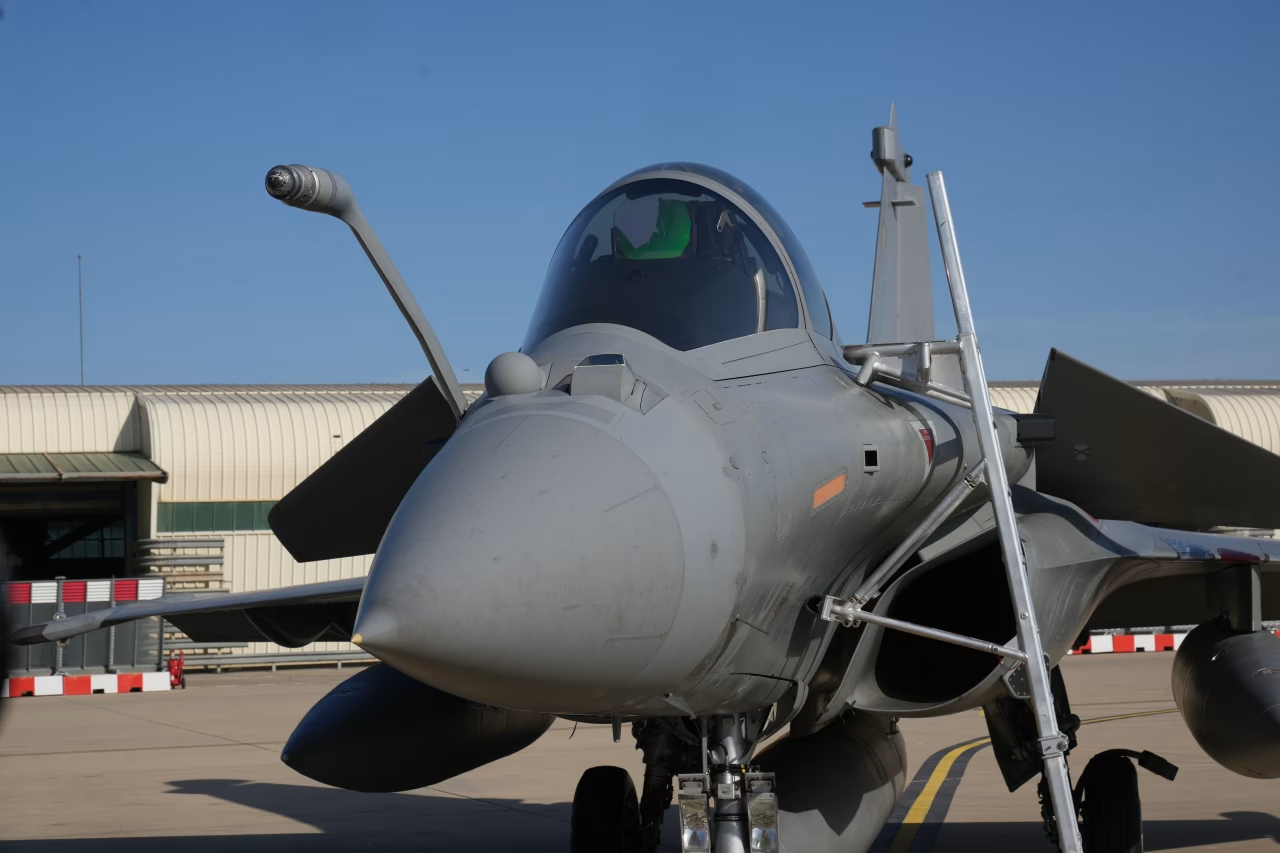
巴黎——法国正在与欧洲盟友合作,加强并扩大其作为核武器国家的角色,旨在增强对俄罗斯攻击的威慑力,因为欧洲对美国安全承诺的信心正在动摇。
PARIS—France, working with European allies, is strengthening and expanding its role as a nuclear-weapons power in an effort to bolster deterrence against Russian attacks as Europe’s confidence in American security guarantees wavers.
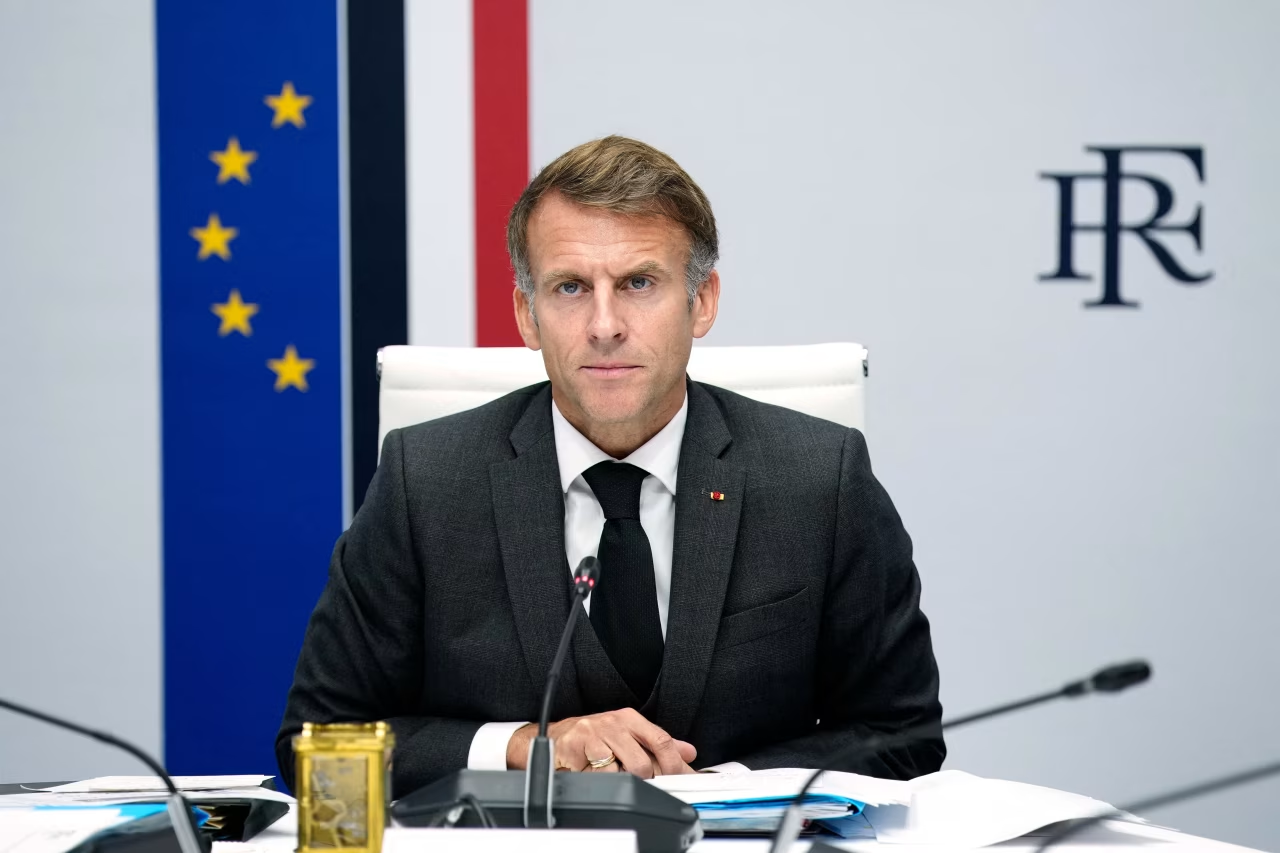
法国总统埃马纽埃尔·马克龙将这一计划称为“前置威慑”,设想在欧洲部署具备核能力的“阵风”战斗机,并与这些盟友建立新的基础设施、通信、预警和情报共享联系。
Dubbed “forward deterrence” by President Emmanuel Macron, the plan envisions deployments of French nuclear-enabled Rafale jet fighters across Europe and the creation of new infrastructure, communications, early-warning and intelligence-sharing links with these allies.
最终目的是为俄罗斯总统弗拉基米尔·普京制造更多战略不确定性,后者控制着世界上最大的核武库之一,并自2022年其军队入侵乌克兰以来多次挥舞核战争大棒。
The ultimate aim is to create more strategic uncertainty for Russian President Vladimir Putin, who controls one of the world’s largest atomic arsenals and has repeatedly raised the specter of nuclear war since his armies invaded Ukraine in 2022.
马克龙的战略事务顾问泽维尔·沙泰尔在华沙最近的一次安全会议上表示:“这给对手带来了新的复杂性,因为它增加了俄罗斯必须解读的另一层因素。”该项目还为法国“在核升级情况下分散部署核力量提供了新选择”。自马克龙3月首次宣布该计划以来,包括英国、德国、波兰和北欧国家在内的十个欧洲国家已以不同程度参与了这一法国倡议。欧洲官员表示,这种新的安全通信、预警和情报共享架构,如果美国未能保护其北约盟友,也可能有助于常规防御。
“What it brings is a new complication for the adversary, because it brings another layer that the Russians will have to read,” Macron’s strategic-affairs adviser, Xavier Chatel, said at a recent security conference in Warsaw. The project also gives France “new options for dissemination of our nuclear forces in case of a nuclear escalation.”Ten European countries—including the U.K., Germany, Poland and the Nordic nations—have joined the French initiative, with varying degrees of involvement, since Macron first announced the plan in March. The new architecture of secure communications, early warning and intelligence sharing, European officials say, could also contribute to conventional defense should the U.S. fail to protect its NATO allies.
挪威外交大臣埃斯彭·巴特·艾德表示:“这是一个地缘政治更加紧张的时期,而法国拥有这种战略能力。”他说,法国的计划“不取代任何东西。它补充了美国核保护伞已提供的核安全保障。”
“It’s a more geopolitically tense time and France has this strategic capacity,” said Norwegian Foreign Minister Espen Barth Eide. He said the French plan “doesn’t replace anything. It supplements the nuclear guarantees that were already there” from the U.S. nuclear umbrella.
法国的核学说规定,当国家的“切身利益”受到威胁时,将使用核武器。在3月宣布新政策的演讲中,马克龙重申,这些切身利益并未止步于法国边界,而是具有欧洲维度。
French nuclear doctrine foresees the use of nuclear weapons when the nation’s “vital interests” are at stake. In the March speech announcing the new policy, Macron reiterated that these vital interests don’t stop at France’s borders and have a European dimension.
“我们能否认为,最亲密伙伴的生存可能受到威胁,而这不会影响我们的切身利益?”马克龙说。
“Could we consider that the survival of our closest partners may be put at risk without it affecting our vital interests?”Macron said.
马克龙还表示,据信拥有约290枚作战核弹头、仅为美国或俄罗斯核武库一小部分的法国,将几十年来首次恢复制造核装置,并将不再公布其核储备规模。
Macron also said France, which is believed to possess around 290 operational nuclear warheads—a fraction of the U.S. or Russian arsenals—would resume making nuclear devices for the first time in decades and would no longer disclose the size of its stockpile.
巴黎故意对其“切身利益”的确切地理范围含糊其辞,从未向盟友作出明确保证。但它邀请加入其核俱乐部的国家提供了一些线索。
Paris has left the exact geography of its “vital interests” deliberately vague and never offered an explicit guarantee to allies. But the countries it has invited into its nuclear club offer some clues.
截至目前,这10个国家是英国、德国、荷兰、比利时、波兰、希腊、芬兰、挪威、瑞典和丹麦。最易受俄罗斯影响的波罗的海三国未被纳入。意大利拒绝加入。
As of now, the 10 are the U.K., Germany, the Netherlands, Belgium, Poland, Greece, Finland, Norway, Sweden and Denmark. The three Baltic states, which are most vulnerable to Russia, aren’t included. Italy has declined to join.
“我们没有计划在和平时期将核武器部署在芬兰领土上。但我们确实有计划为俄罗斯制造战略困境,”芬兰总统亚历山大·斯图布说。“我们认为,获取信息并参与其中将有利于我们的安全。我们不知道这会走向何方,这可能是一个10到15年的过程。”
“We don’t have any plans to put nuclear weapons on Finnish soil in peacetime. But we do have plans for creating a strategic dilemma for Russia,” said Finnish President Alexander Stubb. “We felt it would be useful for our security to get information, to be involved in it. We don’t know where this is going to end, it’s probably a 10- to 15-years process.”France developed its own fully sovereign nuclear forces, outside the North Atlantic Treaty Organization, under President Charles de Gaulle in the 1960s. It doesn’t participate in the NATO nuclear planning group that unites the U.S., Europe’s other nuclear power, the U.K., and the remaining alliance members.
法国于20世纪60年代在夏尔·戴高乐总统领导下,在北大西洋公约组织之外建立了完全自主的核力量。法国不参加北约核规划小组,该小组将美国、欧洲另一个核大国英国以及联盟其他成员国联合在一起。
The U.S. operates a separate nuclear-sharing program with several European nations that involves deploying tactical nuclear weapons on allied aircraft, with any use requiring dual permission from the allied nation and Washington. The British nuclear deterrent, unlike the French, relies on American-made platforms and is under NATO command.
美国与多个欧洲国家共同实施了一项核武器共享计划,该计划允许将战术核武器部署在盟国的军用飞机上;任何使用这些核武器的行为都必须获得盟国政府和美国的双重批准。与法国不同,英国的核威慑力量依赖于美国制造的武器平台,并且完全处于北约的指挥之下。
Doubts that the U.S. would risk nuclear war on behalf of an ally aren’t new. They were a key reason why de Gaulle—who received no reply after asking President John F. Kennedy in 1961 whether he would sacrifice New York to save Paris—sought an independent deterrent in the first place. But these doubts have intensified now that President Trump has embraced Putin’s Russia, striking energy deals and putting pressure on Ukraine.
长期以来,人们一直对美国是否会为盟国冒险发动核战争表示怀疑。这正是戴高乐在1961年向约翰·F·肯尼迪总统询问“美国是否会为了拯救巴黎而牺牲纽约”却未得到任何答复后,决定发展独立核威慑力量的主要原因。如今,随着特朗普总统与普京领导的俄罗斯建立密切关系、签署能源协议并对乌克兰施加压力,这些疑虑变得更加严重。
French officials argue that the French deterrent is more credible because the security of European allies is of far more direct importance to them than to Washington.
法国官员认为,法国的核威慑力量更具可信度,因为对欧洲盟国的安全保障对法国来说远比对美国更为重要。马克龙的顾问夏特尔在华沙安全会议上表示:“法国和美国有一个根本性的区别:我们拥有相同的地理环境,同属一个大陆,与周边国家在经济和社会方面存在着紧密的联系。”
“There is one difference between France and the U.S.—we share the same geography, we are part and parcel of the same continent, we have economic and sociological continuity with our neighbors writ large,” Chatel, Macron’s adviser, said at the Warsaw Security Conference.
不过,这并不意味着法国的邻国会参与核决策过程。另一位参与该项目的欧洲国家官员开玩笑说:“法国会像美国一样,让我们参与到他们的核威慑体系中来。”
That doesn’t mean France’s neighbors will be part of the decision-making. “The French will let us participate in their nuclear deterrence as much as the Americans,” quipped a government minister in another European nation involved in the project.
法国保持对核力量的完全控制,是出于一种明确的战略考量——旨在让这一“前沿威慑”策略得到法国国内各个政治派别的认可,包括极右翼政党“国民联盟”(Marine Le Pen的政党)。根据民意调查,该政党在明年春天的总统选举中处于领先地位。
The retention of full French control over the nuclear force is part of a deliberate effort to make the “forward deterrence” strategy acceptable across the country’s political spectrum, including to the far-right Rassemblement National of Marine Le Pen, who, according to opinion polls, is ahead in the race for the presidency in elections next spring.
勒庞的政党已暗中支持“主动威慑”政策。但一些分析人士警告称,如果勒庞当选总统,鉴于她过去与普京的密切关系以及该政党对欧洲共同承诺的怀疑态度,这一政策的吸引力很可能会受到削弱。
Le Pen’s party has implicitly endorsed the “forward deterrence” initiative. But a Le Pen presidency would likely undermine its appeal in Europe given her past warm relations with Putin, and the party’s overall skepticism of European commitments, some analysts warn.
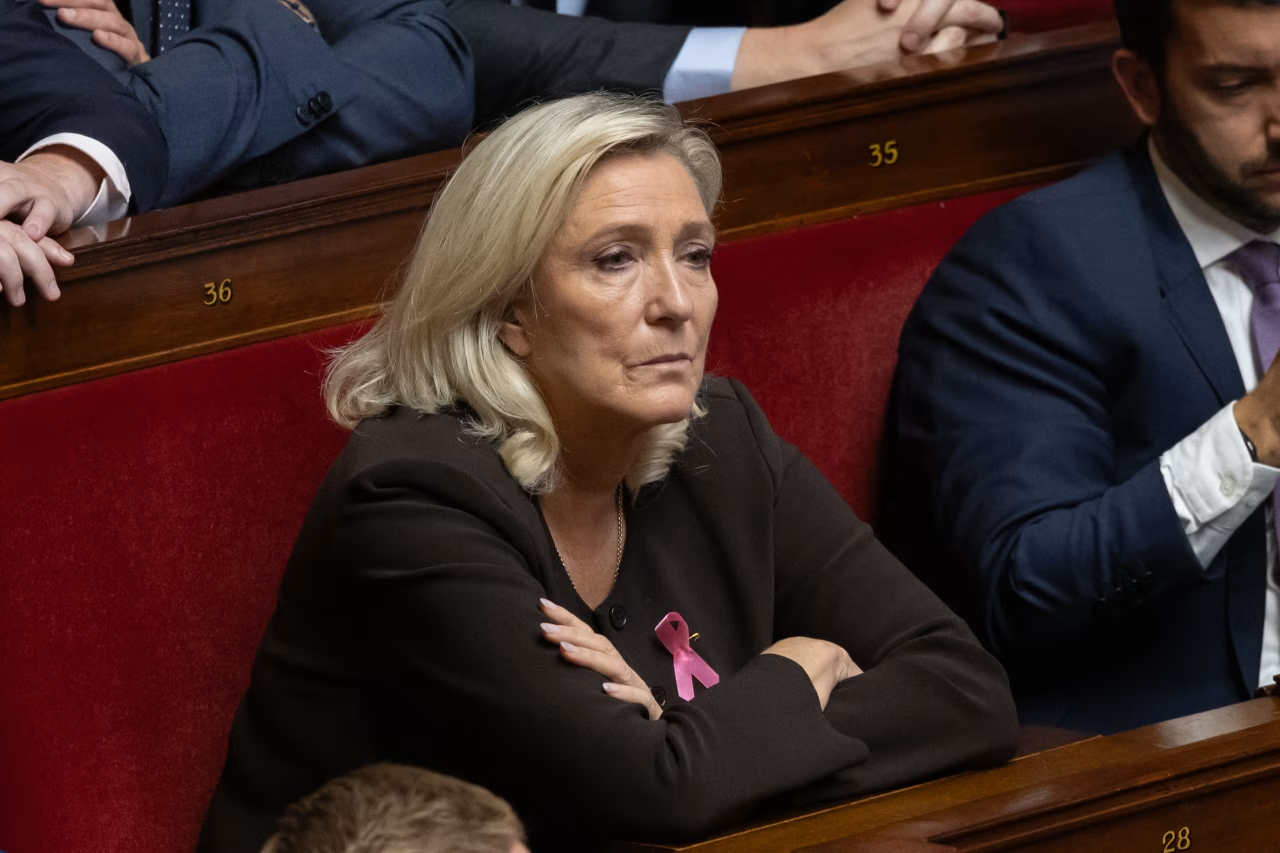
“问题在于,如果勒庞成为总统,法国在两个方面的信誉都会受到损害:一是对俄罗斯的威慑能力,二是对盟国的安抚作用,”法国核政策专家布鲁诺·特雷泰斯(Bruno Tertrais)表示。他是巴黎战略研究基金会(Foundation for Strategic Research)的副主任。
“The problem is that an RN president would mean a loss of credibility on both branches—deterrence of Russia and reassurance of allies,” said French nuclear-policy expert Bruno Tertrais, deputy director of the Foundation for Strategic Research in Paris.
一位来自欧洲盟国的高级国防官员也表达了同样的观点,他表示:如果勒庞执政,法国与这些盟国之间的合作关系(包括合作的目的、重点和范围)将再次受到各方(包括巴黎和盟国内部)的严格审查。
A senior European defense official in a partner nation agreed, saying that the intent, the focus and the scope of the partnership with France will come under renewed scrutiny—in Paris and among allies—should Le Pen come to power.
目前,法国已经与多个“主动威慑”政策的合作伙伴共同成立了10个指导小组,并通过“中心辐射式”的双边谈判方式来进行沟通,而不是将所有相关方聚集在一个统一的核能合作框架内进行讨论。
For now, France has created 10 separate steering groups with “forward deterrence” partners, and is holding talks in a hub-and-spokes bilateral fashion rather than gathering them all together in a nuclear club.
据高级国防官员透露,实际上,这意味着欧洲各国的国防官员们一直在相互联系,交流法国方面传达给他们的信息。
In practice, this means that defense officials in European partner nations keep calling each other to compare notes on what they had been told by France, senior defense officials say.
“总比没有强?大概是吧。但这绝不是、也不应被视为美国延伸威慑的替代品。法国人对此也非常清楚,”麻省理工学院核安全与政治学教授维平·纳朗(Vipin Narang)表示,他在拜登政府时期曾在五角大楼负责核政策。“身为前美国官员,我不得不说,这种必要性的存在令我痛心。但法国已经走了很长一段路。”虽然美国拥有大得多的战略核武库,但巴黎和许多其他欧洲首都的看法是,美国的战略能力是留给保护美国本土的,而欧洲真正的核保护伞——充其量——仅由北约核共享计划中的炸弹构成。美国刻意对其将如何回应保持模糊。
“Is it better than nothing? Probably. But it is not, and should not be viewed, as a substitute to U.S. extended deterrence. And the French are very clear about that, too,” said Vipin Narang, professor of nuclear security and political science at the Massachusetts Institute of Technology, who oversaw nuclear policy in the Pentagon under the Biden administration. “The fact that it is necessary pains me as a former American official. But the French have come a long way.”While the U.S. has a much larger strategic nuclear arsenal, the belief in Paris and many other European capitals is that American strategic capabilities are reserved for protecting the American homeland, and that the real nuclear umbrella for Europe consists—at best—only of the bombs in the NATO nuclear-sharing program. The U.S. deliberately retains ambiguity on how it would respond.
这些B-61重力核弹设计于20世纪60年代,旨在阻止苏联坦克师从东德疾驰而来,在现代战争中已日益过时——考虑到俄罗斯防空系统的进步,它们对俄罗斯本土构成的威胁有限。
These B-61 gravity nuclear bombs, designed in the 1960s to stop Soviet tank divisions sprinting from East Germany, have become increasingly obsolete in a modern war—and pose a limited threat to the Russian homeland given advances in Russian air defenses.
相比之下,法国装备在“阵风”战机上的ASMP-A核弹头巡航导弹,旨在打击俄罗斯的主要城市,且有很大几率命中目标,军方官员和分析人士表示,这创造了完全不同层面的威慑力。
France’s ASMP-A nuclear-tipped cruise missiles on Rafales, by contrast, are designed to strike Russia’s main cities and have a high chance of reaching their targets, creating an entirely different level of deterrence, military officials and analysts say.
“法国是否会为华沙冒着巴黎遭报复的风险,这对俄罗斯是否具有说服力尚不清楚。但俄罗斯肯定在密切关注,”巴黎政治学院(Sciences Po)俄罗斯与核事务专家妮科尔·格拉耶夫斯基(Nicole Grajewski)表示。
“It’s unclear if it is convincing to the Russians that the French would risk retaliation against Paris for Warsaw, for example. But the Russians are definitely paying attention,” said Nicole Grajewski, an expert on Russia and nuclear affairs at Sciences Po university in Paris.
格拉耶夫斯基补充说,法国核学说及其核武库的本质,在某些方面使其对俄罗斯的威胁性大于美国主导的北约延伸威慑。“B-61炸弹并非战争打击工具,它们几乎完全是政治保证的工具,”她说。“相比之下,法国核武库可以打击俄罗斯。”
The very nature of French nuclear doctrine and its nuclear arsenal makes it in some ways more threatening to Russia than the NATO extended deterrence led by the U.S., Grajewski added. “The B-61 bombs are not instruments for war fighting, they’re pretty much instruments of political assurance,” she said. “The French nuclear arsenal, by contrast, can reach Russia.”