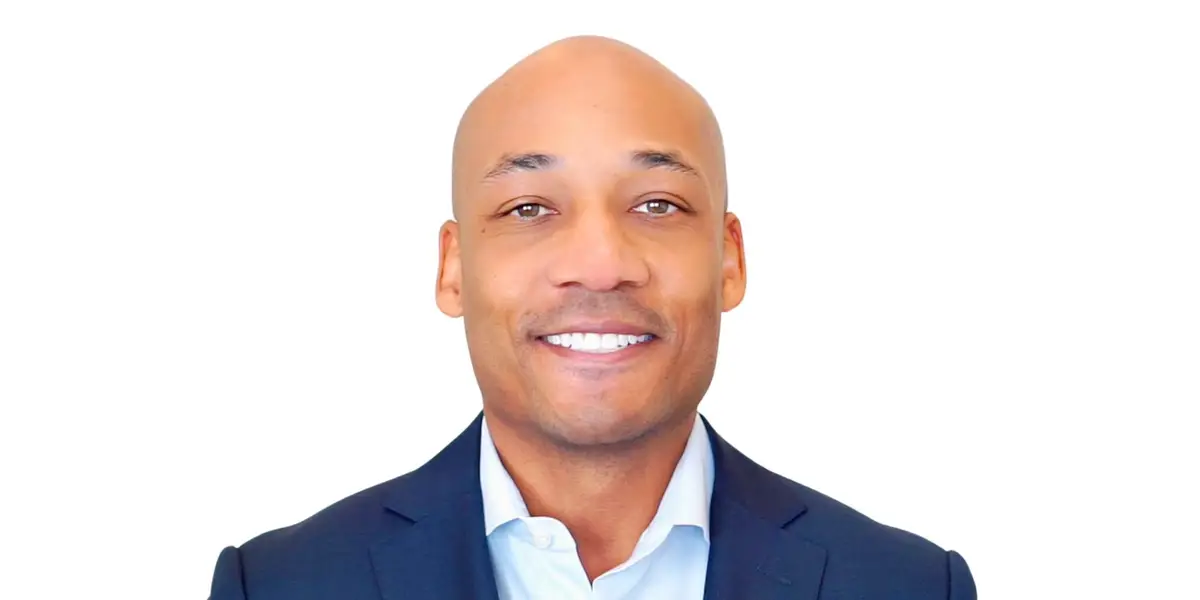
里克·诺特(Rick Nott)是加利福尼亚州圣莫尼卡安杰利斯投资公司(Anges Investments)的高级董事总经理兼私人财富顾问。他向《商业内幕》讲述了他是如何使用人工智能的,以及在面对人工智能原生财务规划平台时,他为什么既兴奋又担忧。访谈内容经过删节和编辑,以确保清晰易读。
Rick Nott is a senior managing director and private wealth advisor at Santa Monica, California-based Angeles Investments. He spoke to Business Insider about how he uses AI, and why he's excited and afraid when looking at AI-native financial planning platforms. The conversation has been edited for length and clarity.
当Claude首次推出针对财务顾问的解决方案时,我感到既恐惧又兴奋。会有多复杂?它将如何运作?我不是软件开发人员,但我有一些基础的技术技能。大语言模型让我能够深入研究编程,由于工作量太大,我以前一直避免学习编程。我掌握的知识足以让我知道自己想要什么、它应该是什么样子,以及如何检查输出结果,现在我可以将更多的流程自动化了。
When Claude first rolled out its solution for financial advisors, I felt fear and excitement. How complicated will it be? How will it work? I'm not a software developer, but I have some basic tech skills. LLMs have allowed me to dig into coding, which I'd been avoiding learning because it's a lot of work. I know enough to know what I want, how it should look, and how to check the outputs, and now I can automate more of my process.
人工智能已经成为我们使用的各种系统和不同工作流程之间的黏合剂。我向一些同事展示了我的运作方式。一位同事告诉我,通过自动化数据收集流程并使分析客户投资组合变得更加容易,这项技术带来的产出基本上相当于又有一名全职员工。
AI has become the glue between the various systems we use and the different workflows we have. I've shown some colleagues how I operate. One told me that I basically have another full-time employee's worth of output through the technology, by automating data collection processes and making it easier to analyze my clients' portfolios.
我在20世纪20年代(注:原文为late 2000s,即2000年代末)还在上大学时就开始了职业生涯,在一家财富管理公司做数据报告工作。在顾问使用的所有软件之间,有大量的手工工作(通常在Excel中完成)来将它们连接起来。以前,我只能为资产超过1亿美元的客户提供资产负债表报告,因为这需要大量的手工工作。现在我可以为资产明显较少的客户提供这项服务了。
I started my career while still in college in the late 2000s doing data reporting work for a wealth firm. Between all of the software advisors use, there's a lot of manual work, typically done in Excel, to connect it together. Previously, I could only provide balance sheet reporting for clients with more than $100 million because it took so much manual work. Now I can do it with someone with significantly less.
随着家族净资产的增长,复杂性也在增加。对许多人来说,理解他们整体的财务系统是他们最大的痛点。银行和经纪账户是最简单的部分,但信托、企业所有权结构和私募投资(它们的报告方式各不相同,且需要手头有现金来应付资本金叫款)分析起来可能需要大量的手工工作。
As a family's net worth grows, so does complexity. For many, understanding their overall financial system is their biggest pain point. Banks and brokerage accounts are the easy part, but trusts, business ownership structures, and private investments, which all report differently and require cash on hand to make capital calls, can take huge amounts of manual work to analyze.
想象一下,一家财富顾问公司服务着30个家族,每个家族大约持有10项私募投资。每项投资每年大约生成10份文件,包括季度报告、资本金叫款、收益分配通知书和税务文件。这3,000份文件中的每一份都需要熟练的分析师花费15到30分钟来进行分析,并提炼到我们的报告中。这意味着每年需要750到1,500个小时,其中大部分都挤在每个季度结束后的短短几周内。
Imagine a wealth advisory business serving 30 families, each holding about 10 private investments. Each investment generates about 10 documents a year, including quarterly reports, capital calls, distribution notices, and tax documents. Each of these 3,000 documents takes a skilled analyst 15 to 30 minutes to analyze and distill into our reports. That's 750 to 1,500 hours a year, most of it crammed into the few weeks after each quarter closes.
有了人工智能,这些数据在到达时就会被提取并映射,由一名分析师来审查工作,而不是一个团队在截止日期前赛跑。我们的目标是在他们的手机上创建一个尽可能接近实时的单页文件或报告。
With AI, that data is extracted and mapped as it arrives, and one analyst reviews the work instead of a team racing against a deadline. Our goal is to create a one-page document or report on their phone that's as close to real-time as possible.
把所有数据集中在一个地方,你可以做很多事情。例如,一个两到三句的提示词可以扩展为给客户的完整电子邮件,其中已经填充了所有相关且准确的信息。然后,你可以对其进行个性化设置,以契合适合你客户的语气。
There's a lot you can do with all of your data in one place. For example, a two- or three-sentence prompt could expand into a full email to a client, with all relevant and accurate information already populated. You can then personalize that to fit the right tone for your client.
像Claude这样面向财务顾问的人工智能工具将具有颠覆性,其他人也将获得我所建立的相同连接性。我认为这是我的行业多年来一直在进行的动态变化的一部分。先锋集团(Vanguard)、交易所交易基金(ETF)、更低的成本以及机器人顾问都给财务顾问带来了压力。
AI tools like Claude for financial advisors will be disruptive, and others will gain access to the same connectivity I've built. I think of it as part of a dynamic that's been going on for years in my industry. Vanguard, ETFs, lower costs, and robo-advisors have all put a squeeze on financial advisors.
但是,如果你认为律师唯一的职责就是写合同,或者财务顾问唯一的职责就是拼凑一个投资组合,这就从根本上误解了真正的职责是什么。只要投资涉及人类的判断,财务顾问就会有一份工作。人工智能并不能改善投资决策或结果。
But if you believe a lawyer's only job is writing contracts, or a financial advisor's only job is putting together a portfolio, there's a fundamental kind of misunderstanding of what the actual job is. As long as investing involves human judgment, financial advisors will have a job. AI doesn't improve investment decisions or results.
我告诉我的客户,我的角色是他们财务操作系统的架构师,正如实际的操作系统一样,集中的数据源至关重要。当你对家族的使命有了宏观的看法时,你就可以避免被市场噪音和新闻分散注意力。从那里,你可以深入到下一层,制定战略计划,询问我们是否在朝着正确的方向前进,以及我们可能有什么机会。再深入一层,我们与注册会计师(CPA)合作以节省税款。资产负债表的完整图景使得真正了解你拥有哪些可用流动性成为可能。
I tell my clients that my role is to be the architect of their financial operating system, and, as with an actual operating system, a centralized source of data is essential. When you have a big-picture view of what your family's mission is, you can avoid getting distracted by market noise and news. From there, you can go a layer down to make strategic plans and ask if we're moving in the right direction, and what opportunities we may have. Another layer down, we work with a CPA to save money on taxes. A full picture of a balance sheet makes it possible to actually know what liquidity you have available.
现在我可以花更多时间发展关系,这是我们业务的核心。我得以了解我正在合作的客户以及我希望合作的客户的一切。我对科技有着天然的热情,观看Anthropic的网络研讨会令人难以置信。
Now I can spend more time developing relationships, the thing that runs our business. I get to know anything and everything about the clients I'm working with and those I'd like to work with. I have a natural excitement around tech, and watching the Anthropic webinar was incredible.
我的主要担忧是,它不是基于订阅的计划,而是基于Token(代币)的计划,这可能会给那些尚不知如何管理Token用量的用户带来意外的账单。在缺乏专业知识的小型注册投资顾问公司(RIA)中,人们会上传100页的PDF文档,只是为了问一些基本问题,比如信托中孩子的年龄。这将大量消耗Token。我们在内部进行了价格核算,与我们现在使用的基于订阅的许可证相比,我们将不得不为基于Token的计划支付显著增加的费用。
My main concern is that it's not a subscription-based plan; it's token-based, which could lead to surprise bills for users who don't yet know how to manage their token usage. At small RIAs without the expertise, people will be uploading 100-page PDF documents just to ask basic questions, like the ages of kids in a trust. That will rip through tokens. We priced it out internally, and we would have to pay significantly more for a token-based plan instead of the subscription-based licenses we have now.
也许最终每个人都必须以这种方式支付Token费用,而且Token的成本正在下降。我们学会了以更快的速度、更低的成本做事,但在我们这个行业,我们这样做有一个特殊的原因:为了花更多的时间与我们所服务的人在一起。
Maybe eventually everyone will have to pay for tokens that way, and the cost of tokens is going down. We learn to do things faster and at lower cost, but in this industry, we do that for a particular reason: to spend more time with the people we serve.
客户向我们提供信息的主要方式仍然是通过交谈。这里面有大量的细微差别。你或许能够理解某些事情并推断出真正所说的话。但做笔记软件仍然总是出错。你必须对其进行审查。金钱是带有情感的,我严重怀疑人工智能是否能取代我们与另一个人建立联系的需求。我会看到有人隔着桌子与开着免提的人工智能对话吗?大概不会。
The primary way that our clients give us information is still by talking. There's a significant amount of nuance. You may be able to understand something and infer what's really being said. But note-taking software is still wrong all the time. You have to review it. Money is emotional, and I seriously question whether AI can replace our need to connect with another human being. Do I see someone sitting across the table from AI on a speakerphone? Probably not.