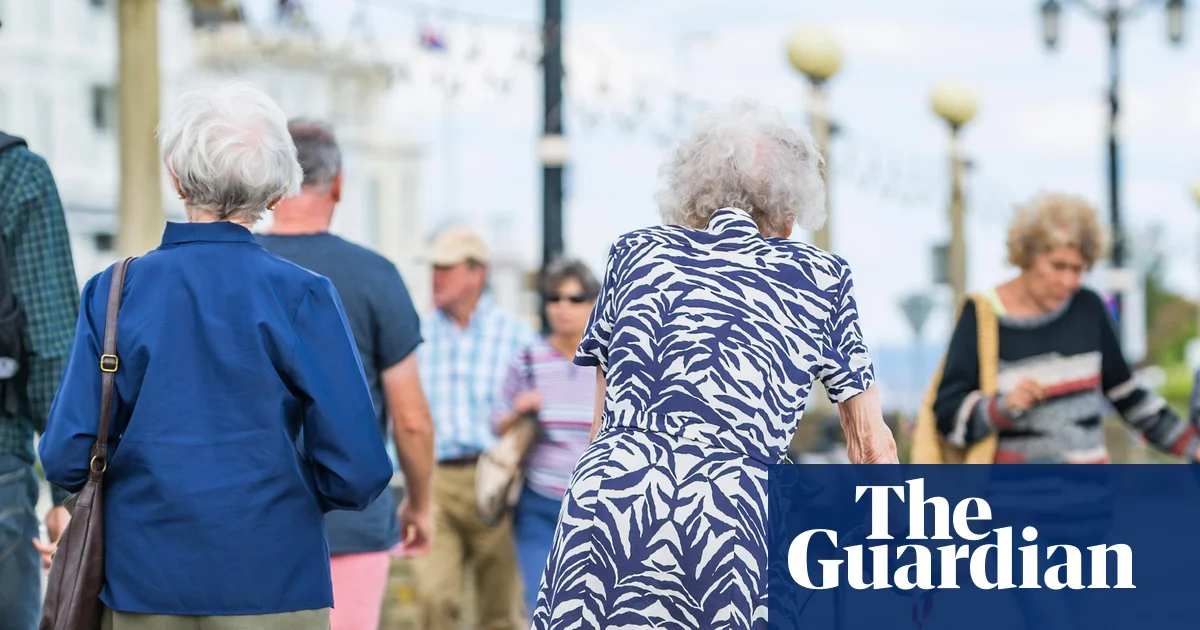
英国低收入退休人员预计将获得一项新的个人免税额,使他们无需将任何国家养老金上缴给英国税务海关总署(HMRC)。
Retirees in the UK on low incomes are expected to be given a new personal allowance so that they do not have to hand any of their state pension to HMRC.
完整细节将由财政大臣约翰·希利在周三的预算案中公布,但目前已知情况如下。新国家养老金即将超过个人免税额 国家养老金每年4月上调。
The full details are due to be revealed by the chancellor, John Healey, in Wednesday's budget, but here is what we know so far. New state pension is set to overtake personal allowance The state pension rises each April.
有两种不同的养老金:由年长退休人员领取的基本国家养老金,以及由2016年4月6日以来退休的任何人领取的新国家养老金。
There are two different pensions the basic state pension which is received by older retirees and the new state pension which is received by anyone who has retired since 6 April 2016.
新国家养老金的涨幅由“三重锁定”机制决定,该机制承诺涨幅将取通胀率、工资增长率或2.5%三者中的最高值。
How much the new state pension goes up by is determined by the triple lock which promises that it will be the highest of inflation, wage growth or 2.5%.
今年,三者中最高的是工资增长率,相关月份为3.9%。因此,从2027年4月起,全额国家养老金将达到每年13036英镑。由于适用于所有人的个人免税额被冻结,免税起征点自2021年以来一直维持在12570英镑。今年,全额新国家养老金略低于该数字,为12547英镑。
This year, the highest of the three has been wage growth, which for the relevant month was 3.9%. As a result, from April 2027 the full state pension will be worth £13,036 a year. Thanks to a freeze in the personal allowance that applies to everyone, the amount anyone can earn before paying tax has remained at £12,570 since 2021 This year, the full new state pension was just under that figure, at £12,547.
保护最贫困群体 许多退休人员拥有私人和职业养老金收入,这已使其超过个人免税额,目前有960万退休人员是纳税人。
Protection for the poorest Lots of pensioners have money from private and workplace pensions which already puts them over the personal allowance, and 9.6 million are already taxpayers.
随着国家养老金即将超过免税额,时任财政大臣雷切尔·里夫斯去年承诺,仅靠国家养老金为收入的人将不被征税。这一点今年得到确认。曾有建议通过核销100英镑以下的税单来实现这一承诺,因为明年的数字意味着仅领取国家养老金的人每人将欠税约90英镑。然而,据报道,政府将改为给予退休人员更高的个人免税额。
As the prospect of the state pension overtaking the allowance loomed last year, the then chancellor, Rachel Reeves, promised that anyone deriving all of their income from the state pension would not be taxed. This was confirmed this year It had been suggested that this could be done by writing off tax bills below £100, as next year's numbers would mean people owing about £90 each if they were on only the state pension. However, it is reported that instead pensioners will have a higher personal allowance.
《泰晤士报》的一份报告显示,希利将为低收入退休人员设定一项个人免税额,该免税额将与全额新国家养老金完全对齐。这意味着在2027-28纳税年度,该免税额将为13,036英镑,并在随后几年随养老金上涨而增加。
New allowance for some A report in the Times suggests Healey will set a personal allowance for low-income pensioners that is exactly aligned with the full new state pension. This means that in the 2027-28 tax year it will be £13,036, and it will rise in subsequent years in line with the pension increases.
由于常规个人免税额冻结至2030-31纳税年度,而“三重锁”机制将维持至2030年,这意味着这一特殊免税额预计将逐渐拉大与大多数纳税人所享有免税额的差距。
With the regular personal allowance frozen until 2030-31 and the triple lock in place until 2030, that means this special allowance is expected to pull away from the one that most taxpayers will have.
情况可能会变得非常复杂 前养老金大臣史蒂夫·韦伯表示,这种将养老金移出征税范围的做法可能会变得“混乱且成本日益高昂”。
It could get very complicated The former pensions minister Steve Webb says that this way of lifting the pension out of tax could prove "messy and increasingly expensive".
我们不了解细节,但一种仅向完全依赖国家养老金的人提供额外免税额的方案,可能意味着任何从其他渠道获得哪怕微薄收入的人,都将对超过标准12,570英镑免税额的部分缴税。试图解决这一问题可能意味着引入复杂的递减机制。
We do not know the details, but a scheme where only those reliant solely on the state pension get an extra allowance could mean that anyone receiving even a tiny income from elsewhere will pay tax on everything over the standard £12,570 allowance. Trying to solve this could mean introducing complicated tapering.
韦伯说:“新国家养老金与纳税起征点之间的差距将逐年扩大,这将使该政策难以叫停。但如果政策延续下去,成本将不断攀升。
Webb says: "The gap between the new state pension and the tax threshold is set to grow every year, which will make the policy hard to switch off. But if it continues, the cost will grow and grow.
“而且,如果额外免税额仅面向低收入人群,可能会出现日益严重的‘悬崖边缘’问题:那些拥有极少量私人收入的人会失去全部免税额,最终比完全没有收入的人更加不利。” 更复杂的是,目前尚不清楚如何让领取旧国家养老金的退休人员获得同等保障。他们的养老金由两个部分组成,在某些情况下,仅领取国家养老金的人所获金额已高于个人免税额。
"And if the extra allowance is available only to those on a low income, there could be a growing 'cliff-edge' problem where those with very small amounts of private income lose the whole allowance and end up worse off than those with nothing." To make things more complicated, it is not clear how pensioners on the old state pension will be given the same protection. Their pension consists of two elements and in some cases people who get only the state pension are already being paid a figure above the personal allowance.
在2013-14税年之前,65岁及以上的人可以在个人免税额上额外享受两种与年龄相关的加成。引入这些加成的前一年,个人免税额为:65岁以下为8,105英镑,65至75岁为10,500英镑,75岁以上为10,660英镑。该免税额设有递减机制,使收入略高于30,000英镑的退休人员无法获得额外减免。
Pensioners' higher allowance has been scrapped before Up until the 2013-14 tax year, people aged 65 or older could claim one of two age-related additions to the personal allowance. The year before this was introduced, the personal allowance was £8,105 for under-65s, £10,500 for those aged 65-75, and £10,660 for those aged over 75. The allowance was tapered so pensioners with incomes of just over £30,000 did not get the extra relief.
较高的免税额本应帮助老年人保留资金,以应对更高的取暖费用和其他与衰老相关的支出。
The larger allowance was supposed to help older people retain money to meet higher heating costs and other expenses associated with ageing.
当时的财政大臣乔治·奥斯本(George Osborne)为简化制度而取消了这一政策:许多退休人员并未意识到需要主动申请,而递减机制也较为复杂。他冻结了退休人员现有的免税额。
The change was made by the then chancellor, George Osborne, to make the system simpler: lots of pensioners did not realise they had to claim it, and the tapering was complicated. He froze the existing allowance for pensioners.
他当时表示:“这将保护退休人员现有的免税额水平,同时为所有人引入一个统一的个人免税额。这是一次重大简化,能够节省开支,且没有退休人员在现金上受到损失。”
He said at the time: "This will protect the existing level of allowance pensioners have while introducing a new single personal allowance for all. It is a major simplification, it saves money, and no pensioner will lose in cash terms."
此项变动仅惠及退休人员。另一可能导致该政策不受欢迎的因素是,它为退休人员提供了低收入工人所没有的福利。有人可能会认为,为所有人统一提高个人免税额更为公平。当然,这将使政府的支出大幅增加。
The change will benefit only pensioners Another thing that might make the policy unpopular is that it will give pensioners a benefit that is not shared by low-income workers. Some may argue that it would be fairer to increase the personal allowance for everyone. That would, of course, be much more expensive for the government.