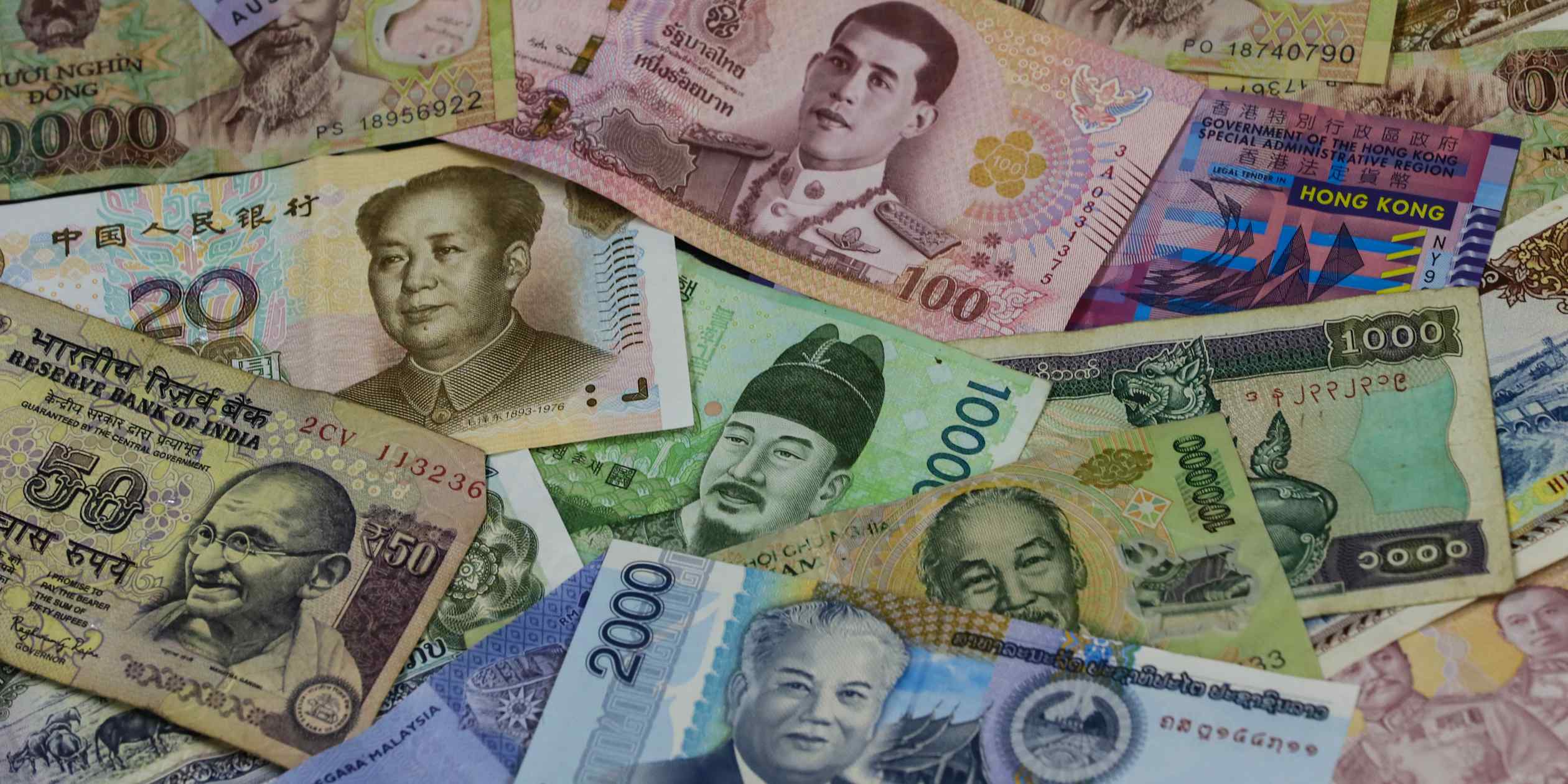
东京讯 -- 受市场对人工智能(AI)过度投资以及油价日益高企的担忧拖累,亚洲货币普遍下跌,尽管部分国家的央行通过防御性措施帮助本国货币逆势走强。
TOKYO -- Asian currencies are being dragged down by market concerns about overinvestment in AI and increasingly expensive oil, although central banks in some countries have helped their currencies buck the trend with defensive measures.
随着大规模云服务商竞相向人工智能投入更多资金,投资者对缺乏明确路径来实现收回这些成本所需的增长日益持怀疑态度。Meta Platforms周三发布的7至9月财报显示,这家Facebook母公司自2012年上市以来首次出现负自由现金流。
As hyperscalers vie to pour more money into artificial intelligence, investors are growing skeptical about the lack of a clear path toward the growth needed to recoup these costs. Meta Platforms' July-September earnings, released Wednesday, showed the Facebook owner's first-ever negative free cash flow since going public in 2012.
涵盖美国主要芯片相关股票的费城半导体指数周五较10月初下跌15%。
The Philadelphia semiconductor index, which covers major U.S. chip-related shares, was down 15% on Friday from the start of October.
在美国股市波动之际,新台币兑美元一度跌至32元区间上部,为一年半以来最弱水平。
Amid the U.S. stock fluctuations, the New Taiwan dollar slumped to the upper 32 range against the U.S. dollar at one point on Oct. 20 -- its weakest level in a year and a half.
以台积电为首的台湾半导体产业与美国科技巨头有着紧密的业务往来。
Taiwan's semiconductor industry, led by Taiwan Semiconductor Manufacturing Co., has close business ties with American technology giants.
瑞穗银行资深市场经济学家堀隆宏表示:“伴随美股回调而来的不确定性,正通过台湾股市下跌外溢至当地货币。”
"The uncertainty that comes with the correction in U.S. stocks is spilling over to the local currency through a decline in Taiwanese stocks," Mizuho Bank senior market economist Takahiro Hori said.
原油价格上涨也在亚洲各地引发抛售货币潮。许多国家依赖进口满足大部分能源需求,因此高油价增加了通胀压力。菲律宾比索兑美元周一触及64比索区间,创历史最弱水平。
The rise in crude oil prices is also spurring currency-selling across Asia. Many countries rely on imports to meet most of their energy needs, meaning that high crude prices add inflationary pressure. The Philippine peso touched the 64 range against the dollar Monday, its weakest level to date.
中东局势动荡加剧,伊朗支持的也门胡塞武装加大对沙特阿拉伯的袭击。有报道称美国计划在下周中期选举后恢复袭击伊朗,油价短期内恐难以企稳。
The turmoil in the Middle East is deepening as Iran-backed Houthis in Yemen ramp up attacks on Saudi Arabia. With reports indicating the U.S. has made plans to resume attacking Iran after next week's midterm elections, oil prices look unlikely to settle down anytime soon.
货币疲软会通过恶化贸易条件来削弱一国经济实力,这可能引发货币抛售,形成恶性循环。韩国和印度的央行已采取行动支撑本国货币。
A weak currency erodes a country's economic strength by hurting terms of trade, which can drive a currency sell-off in vicious circle. The central banks of South Korea and India have moved to shore up their countries' currencies.
周一,韩元兑美元触及1319元,为约两年来最强水平,尽管基准KOSPI指数——该指数重仓三星电子和SK海力士等半导体公司——已从6月高点下跌约40%。
The won on Monday touched 1,319 to the U.S. dollar, its strongest in roughly two years, even as the benchmark KOSPI index -- which is weighted heavily toward such semiconductor companies as Samsung Electronics and SK Hynix -- is down around 40% from its June peak.
韩国央行上周四决定将基准利率维持在3%不变,此前曾在7月和8月加息,但为进一步加息留有余地,释放出对抗通胀的强硬立场。
The Bank of Korea decided last Thursday to leave its policy interest rate unchanged at 3% following hikes in July and August but left the door open to further increases, signaling a strong stance against inflation.
存储芯片的实际需求也发挥了作用。韩国9月贸易顺差达约500亿美元,创历史新高。
Real demand for memory chips has also played a role. South Korea logged a record-high trade surplus of about $50 billion in September.
印度方面,卢比兑美元早些时候一度软化至96卢比上方区间,为四个半月来最弱,随后回升至94区间。
India, meanwhile, saw the rupee soften to the upper 96 range against the dollar early this month -- its weakest in four and a half months -- before recovering to the 94 range.
此次反弹在很大程度上归功于印度储备银行为捍卫货币所做的努力,其中包括建立向国营石油公司供应美元的机制,以及限制货币衍生品交易以遏制投机。
The rebound owes in large part to the Reserve Bank of India's efforts to defend the currency, which include setting up a mechanism to supply dollars to state-run oil companies and restricting currency derivative transactions to curb speculation.
对人工智能投资和高油价的担忧似乎将持续存在,使新兴亚洲经济体容易遭遇货币抛售。央行的政策应对能力可能在很大程度上决定这些货币的走势。
Concerns over AI investment and high oil prices appear likely to persist, keeping emerging Asian economies vulnerable to currency-selling. Central banks' capacity for policy responses could play a key role in how these currencies fare.
菲律宾央行周四加息,但未能阻止比索下跌,通胀率仍高于7%。“他们迄今为止在加息方面一直很谨慎,因此货币政策在应对通胀方面落后于形势,”第一生命经济研究所首席经济学家西滨彻表示。
The Philippine central bank raised interest rates on Thursday, but this failed to check the peso's decline with inflation running above 7%. "They've been cautious about raising rates so far, so monetary policy has been behind the curve on addressing inflation," said Toru Nishihama, a chief economist at the Daiichi Life Research Institute.
野村证券高级外汇分析师春井真也表示:“至于印度,每当央行推出货币防御措施,卢比就会再次被买入,但这种买入缺乏可持续性。”
As for India, "the rupee is bought again whenever the central bank comes out with currency defense measures, but such buying lacks sustainability," said Shinya Harui, senior foreign exchange analyst at Nomura Securities.