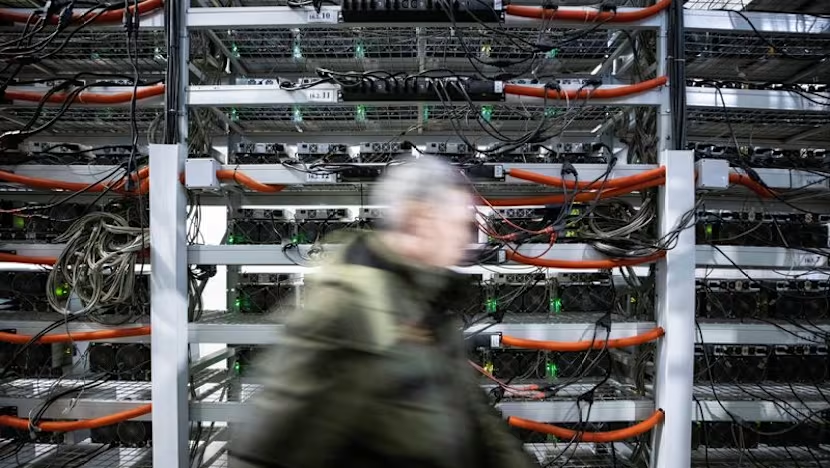
悉尼:本月,一枚乌克兰无人机袭击了俄罗斯最大的资料中心,该中心由银行与科技公司Sberbank拥有。此次袭击发生在乌克兰先后攻击了三座属于科技巨头Yandex的资料中心之后,Yandex常被称为“俄罗斯的谷歌”。
SYDNEY: This month, a Ukrainian drone strike hit Russia’s largest data centre, owned by bank and technology company Sberbank. The strike came after Ukraine hit three data centres belonging to the tech giant Yandex, which is often referred to as “Russia’s Google”.
在这些攻击之后,Yandex的流量下降了94%。其用户在使用电子邮件、搜索、导航、音乐、网约车、市场以及金融服务等功能时,遭遇了严重的中断。
After those attacks Yandex’s traffic dropped 94 per cent. Its users experienced heavy disruption to features such as email, search, navigation, music, ride hailing, marketplace, and financial services.
乌克兰总统弗拉基米尔·泽连斯基表示,这些袭击“让许多社交媒体平台更容易呼吸”,因为它们减少了俄罗斯的虚假信息和机器人活动。
Ukrainian President Volodymyr Zelensky said the strikes had made it “easier to breathe on many social media platforms”, by reducing Russian disinformation and bot activity.
随后有报道对泽连斯基的说法提出质疑。无论如何,这一事件凸显了物理通信基础设施在网络世界中的作用,也引发了对“数字主权”真正含义的疑问,并暗示了一种打击虚假信息的方法。资料在火线之中资料中心是非传统的军事目标。然而,随着其重要性的提升,这种情况可能正在改变。攻击资料中心可能会干扰敌方的军事行动,也会影响依赖这些设施的普通民用服务。在俄罗斯,这些中断可能在长期内放慢经济发展,削弱其持续战争的能力。
Later reports have cast doubt on Zelensky’s claim. Either way, the incident highlights the role of physical communication infrastructure in the online world. It also raises questions over what “digital sovereignty” really means, and hints at a way to fight disinformation. DATA IN THE LINE OF FIRE Data centres are an unconventional military target. However, that may be changing as their importance grows. Attacking data centres may disrupt an enemy’s military operations, as well as the ordinary civilian services that rely on these facilities. In Russia, these disruptions may slow down the economy in the long term, undermining its ability to continue war.
乌克兰的袭击发生在俄罗斯攻击乌克兰资料中心和互联网服务提供商之后。它们也继承了今年早些时候伊朗的先例,伊朗在美国攻击后袭击了阿联酋和巴林的资料中心。
Ukraine’s strikes came after Russian attacks on Ukrainian data centres and internet service providers. They also follow a precedent set by Iran earlier this year when it hit data centres in the United Arab Emirates and Bahrain in response to American attacks.
中东的资料中心由亚马逊网络服务(Amazon Web Services)运营,亚马逊是全球最大的云计算公司,在全球范围内拥有设施。
The Middle East data centres were run by Amazon Web Services, the world’s biggest cloud computing company with facilities around the globe.
通常,资料中心会使用冗余和备份,以确保失去单一设施不会产生永久性的负面后果。即便如此,伊朗的袭击仍导致服务的长期退化和部分数据的不可恢复损失。
Typically, data centres use redundancy and backups to make sure losing a single facility does not have permanent negative consequences. Even so, the Iranian strikes resulted in long-term degradation of services and irrecoverable loss of some data.
俄罗斯的数据中心在国际冗余备份选项方面可能较为有限。这是由于过去十年来莫斯科积极倡导的一种特定的“数字主权”理念。
Russian data centres may have less in the way of international redundancy options. This is due to a particular vision of “digital sovereignty”, which Moscow has actively championed over the past decade.
国家应当对本国数字数据和基础设施拥有自主权和控制权,这一想法本身是合理的。然而,俄罗斯对“主权”的追求使其得以审查网络信息,并将俄罗斯用户与全球互联网服务隔离开来。
The idea that nations should have autonomy and control over their own digital data and infrastructures is a sound one. However, Russia’s pursuit of “sovereignty” has enabled it to censor online information and isolate Russian users from global internet services.
俄罗斯于2015年通过法律,要求某些数据必须存储在境内。随后,2022年俄罗斯全面入侵乌克兰后,国际社会对俄实施制裁。其结果是,俄罗斯在海外维持备份基础设施的选项受到显著限制。
Russia passed laws requiring certain data to be stored locally in 2015. These were followed by international sanctions after Russia’s full-scale invasion of Ukraine in 2022. As a result, Russia’s options for maintaining backup infrastructure abroad have been significantly limited.
资料照片:2026年10月8日从社交媒体视频获取的截图中,俄罗斯萨索沃,Yandex公司五大大型数据中心之一的萨索沃枢纽遭无人机袭击后发生火灾,浓烟滚滚,该站点托管着数万台服务器,袭击迫使该站点暂停运营。社交媒体/经由路透社。本图片由第三方提供。必须注明来源。不得转售。不得存档。核实说明:加油站、数据中心建筑和道路布局与卫星及档案图像相符。
FILE PHOTO: Smoke billows from Yandex's Sasovo hub, one of the company's five large data centres, after a fire following a drone strike forced the suspension of operations at the site, which hosts tens of thousands of servers, Sasovo, Russia, in this screengrab obtained from a social media video on Otober 8, 2026. SOCIAL MEDIA/via REUTERS. THIS IMAGE HAS BEEN SUPPLIED BY A THIRD PARTY. MANDATORY CREDIT. NO RESALES. NO ARCHIVES. Verification lines: Petrol station, data centre building and road layout matched satellite and archive imagery Coordinates: 54.3729250068205, 41.934405711751126 Date verified by statement from Yandex saying that drones hit one of its major data centers in Russia's Ryazan region on October 8 NASA FIRMS detected thermal activity at the location on October 8, where there is not typically./File Photo DISINFORMATION AND INFLUENCE Disinformation is often considered as the strategic spreading of deliberate falsehoods.

坐标:54.3729250068205, 41.934405711751126。核实日期依据Yandex的声明,该声明称无人机于10月8日袭击了其在俄罗斯梁赞州的一个主要数据中心。NASA FIRMS于10月8日在该地点探测到热活动,而该地点通常并无热活动。/资料照片虚假信息与影响力虚假信息通常被视为蓄意散布虚假内容的战略行为。各国政府往往试图通过在虚假信息传播的平台上删除或辟谣来对抗它。
Governments have often tried to fight it by removing or debunking these falsehoods on the platforms where they circulate.
然而,影响力行动的运作方式多种多样。并非所有行动都传播虚假信息。大多数行动旨在削弱公众信任并使民主进程与制度失去合法性。
However, influence operations work in many different ways. Not all of them propagate falsehoods. Most of them aim to undermine public trust and delegitimise democratic processes and institutions.
例如,在澳大利亚2023年关于原住民议会之声的公投中,活动家们生成了可信的竞争叙事,以加剧政治极化。在新西兰,影响力行动涉及大量性别歧视的辱骂,以破坏公众对政策倡议的支持。
In Australia’s 2023 referendum on an Indigenous Voice to Parliament, for example, campaigners generated plausible competing narratives to exacerbate political polarisation. In New Zealand, influence operations have involved avalanches of misogynistic abuse to derail public support for policy initiatives.
俄罗斯以其在全球民主政治中的有组织干预而闻名。这些干预的目标往往是播撒不满、怀疑和沮丧。支持持亲俄立场的候选人也可能是其目标之一。
Russia is known for its orchestrated interventions in democratic politics around the world. The goal of these interventions has often been to sow dissent, distrust and dismay. Supporting candidates with pro-Russian stances can also be a goal.
民间社会和激进分子社区已开发出创造性的方法来应对这一问题。这些方法包括揭穿、预防性揭穿(预先反击虚假主张)、向平台举报误导性内容,或战略性使用幽默和表情包。数字主权可能产生薄弱点俄罗斯的数据中心攻击提醒我们,俄罗斯的互联网服务——包括影响力行动——依赖物理基础设施。无论这次打击是否显著减少了虚假信息机器人的活动,针对虚假信息的物理来源仍可能是遏制其传播的有效方式。
Civil society and activist communities have developed creative approaches to tackling this problem. These have included debunking, prebunking (pre-emptively countering false claims), reporting misleading content to platforms, or strategically using humour and memes. DIGITAL SOVEREIGNTY CAN CREATE POINTS OF WEAKNESS The data centre attacks in Russia are a reminder that Russian internet services – including influence operations – depend on physical infrastructure. Whether or not the strikes have led to a significant reduction in disinformation bot activity this time around, targeting the physical sources of disinformation may still be an effective way to contain it.
俄罗斯境内运营的数据中心超过100家。很少有备份和弹性计划。
There are over 100 data centres operating on Russian territory. Few of them have backups and resilience plans in place.
将所有数字运营集中在相对少数的物理场所会产生脆弱性。一旦该基础设施受到攻击,重建可能缓慢且具有挑战性,尤其是因为俄罗斯依赖中国供应先进半导体。对民主国家的启示这对更广泛地抵制俄罗斯虚假信息和影响力行动的努力意味着什么?
Concentrating all digital operations in a relatively small number of physical sites creates a vulnerability. Once this infrastructure is hit, rebuilding can be slow and challenging, especially as Russia is reliant on China to supply advanced semiconductors. LESSONS FOR DEMOCRACIES What does this mean for efforts to counter Russian disinformation and influence operations more broadly?
一套解决方案可能包括对俄罗斯的Telegram等平台和服务实施实际或监管限制(如制裁)。其他解决方案则需要国际合作,削弱俄罗斯在数字环境中造成伤害的能力。这可能包括通过双边安全协议支持乌克兰前线的努力。
One set of solutions might involve imposing physical or regulatory limits (such as sanctions) on Russian-based platforms and services such as Telegram. Other solutions would require international cooperation to undermine Russia’s capability to inflict harm in the digital environments. This may include supporting Ukraine’s efforts on the battlefront through bilateral security agreements.
无论如何,近期事件表明,俄罗斯的数字影响力广泛依赖于实体基础设施:数据中心、稀缺的半导体材料,以及一个已与万维网割裂的国内平台生态系统。
In any case, the recent events have shown that Russia’s digital influence extensively relies on physical infrastructures: data centres, scarce semiconductor materials and a domestic platform ecosystem that has been splintered from the world wide web.
随着克里姆林宫以主权之名继续自我孤立,它也变得越来越容易受到攻击和干扰。
As the Kremlin continues to isolate itself in the name of sovereignty, it is also becoming more vulnerable to attacks and disruptions.
民主国家可以从这些事件中吸取教训。数字主权不是通过对数字基础设施的孤立和垂直控制来实现的。相反,它是通过地理上分散的备份、风险与治理框架,以及保持关键系统运行并使其能够抵御攻击的战略联盟,不断协商达成的。
Democracies can draw lessons from these events. Digital sovereignty is not achieved through isolation and vertical control over digital infrastructures. Instead, it is constantly negotiated through geographically distributed backups, frameworks for risk and governance, and strategic alliances that keep critical systems running and make them resilient to attacks.
奥尔加·博伊查克是悉尼大学数字文化高级讲师、澳大利亚研究理事会DECRA研究员。本文评论首次发表于The Conversation。
Olga Boichak is Senior Lecturer in Digital Cultures and Australian Research Council DECRA fellow at University of Sydney. This commentary first appeared on The Conversation.