新加坡:美国一直在调查许多主要贸易伙伴的工业产能过剩问题。然而,几乎所有受到美国审查的国家——包括印度、日本和韩国——现在也与华盛顿一道指出了同样的问题,即它们被指控的那一问题。
SINGAPORE: The United States has been investigating many major trading partners for industrial overcapacity. Yet several of those under US scrutiny – including India, Japan and South Korea – have now joined Washington in calling out that very same problem of which they are accused.
10月,14个经济体在一份由美国主导的联合声明上签署,呼吁协调行动消除工业产能过剩。谨慎地不把这份无约束力的多边声明解读得过深,这可能表明从布鲁金斯学会所说的“集体手足无措”向更积极的贸易行动转变。
In October, 14 economies added their signatures to a US-led joint statement calling for coordinated action to eliminate industrial overcapacity. Being careful not to read too much into a non-binding multilateral statement, this could suggest a shift from what Brookings Institution calls “collective handwringing” about trade.
声明并未明确提及中国,但其庞大的制造业实力长期以来一直是共同的担忧。联合声明不仅仅是表达关切。
The statement did not explicitly name China, but its vast manufacturing prowess has long been a common worry. The joint statement, though, goes beyond expressing concern.
签署国已同意建立平台,审查汽车与电动车、电池、化工、基础半导体和太阳能电池板五个行业的过剩产能。
The signatories have agreed to establish platforms to examine excess capacity in five sectors: cars and electric vehicles, batteries, chemicals, foundational semiconductors and solar panels.
它们还承诺进行技术讨论,探索可能的协调措施,以保护其经济免受贸易和就业负面影响。面对中国冲击 2.0中国的过剩产能出口在2001年中国加入世界贸易组织(WTO)及其高度补贴的工业政策之后,削弱了许多主要经济体国内制造业的部分,并导致就业岗位流失。当时全球并没有对“中国产生冲击”采取行动的意愿。
They have also committed to technical discussions to explore possible coordinated measures to defend their economies from the negative impact on trade and workers. FACING CHINA SHOCK 2.0 China’s export of its excess capacity hollowed out parts of domestic manufacturing and cost jobs in many major economies following China’s entry into the World Trade Organization (WTO) in 2001 and its hyper-subsidised industrial policy. No global appetite existed then to address the “China Shock”.
前美国贸易谈判官凯莉·梅曼·霍克在我们的一次讨论中指出:“当时许多关键贸易伙伴不愿放弃中国市场,也不愿弯曲WTO规则来应对产能过剩威胁。”
“Many key trading partners were unwilling then to forgo the Chinese market or to bend WTO rules to address the building overcapacity threat,” noted former US trade negotiator Kellie Meiman Hock in a discussion we had.
如今,全球主要经济体在低碳经济制造业方面正面临中国冲击 2.0。
Now, major economies around the world face China Shock 2.0 when it comes to manufacturing in the low-carbon economy.
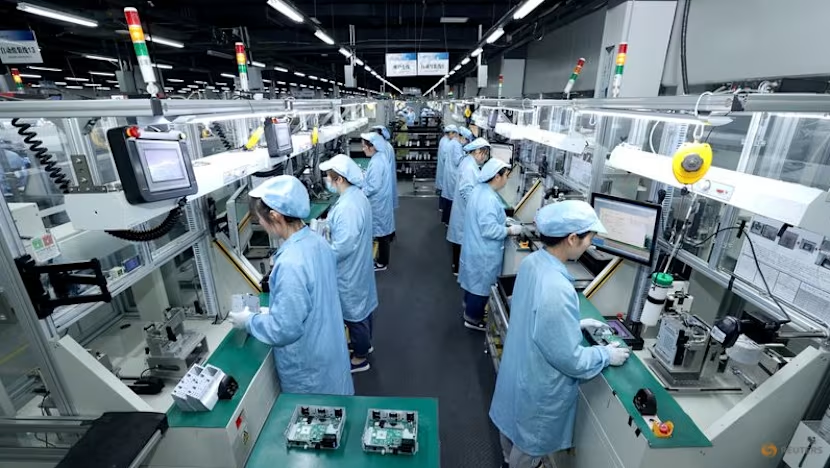
2015年启动的“中国制造2025”计划,旨在使中国主导全球经济中的关键高科技产业,并减少中国对外国技术的依赖。该计划在很大程度上取得了成功。产业补贴、低成本资本、优惠准入和其他政策行动刺激了这些产业的生产。
Made in China 2025, an initiative launched in 2015, positioned China to dominate key high-tech sectors of the global economy and reduce Chinese reliance on foreign technologies. It largely succeeded. Industrial subsidies, low-cost capital, preferential access and other policy actions spurred production in these sectors.
国内需求无法支撑如此庞大的产量。中国出口这些商品以推动经济增长,这引发了人们对倾销的担忧。
Domestic demand cannot support this huge output. China exports these goods to power economic growth, raising concerns about dumping.
中国电动汽车出口的激增如今在全球范围内造成强烈冲击,尤其是在欧盟,因为美国限制此类中国商品的进口。2025年,中国制造的汽车约占欧盟销售的纯电动汽车的五分之一,其中近一半是中国品牌。
The surge in Chinese electric vehicle exports now hits hard globally, and in the European Union in particular, because the US restricts Chinese imports of these goods. Chinese-made vehicles accounted for about one in five battery-electric cars sold in the EU in 2025, nearly half of which were Chinese brands.
对中国不公平贸易做法的担忧以及应对这些做法的行动是全球性的。伯特·霍夫曼和陈佳豪在一篇即将发表的论文中发现,目前针对中国的贸易措施多数来自金砖国家和其他发展中国家,而非欧盟和美国。
Concerns with unfair trade practices by China and actions to counter them are global. Bert Hofman and Tan Chia How in a forthcoming paper find a majority of the trade measures taken against China now come from BRICS and other developing countries, not the EU and US.
合作模式 美国今年3月启动对不公平贸易行为的调查时,调查对象包括中国,这并不令人意外。
IN COOPERATION MODE It came as no surprise, when the US initiated investigations into unfair trade practices in March, that they included China.
具体而言,美国正在调查“制造业的结构性产能过剩和生产”,以审视外国产业政策和做法是否损害美国商业。包括新加坡在内的其他15个经济体也在接受301条款调查。
Specifically, the US was looking into “structural excess capacity and production in manufacturing sectors” to examine whether foreign industrial policies and practices harm US commerce. Fifteen other economies, including Singapore, are under Section 301 investigation as well.
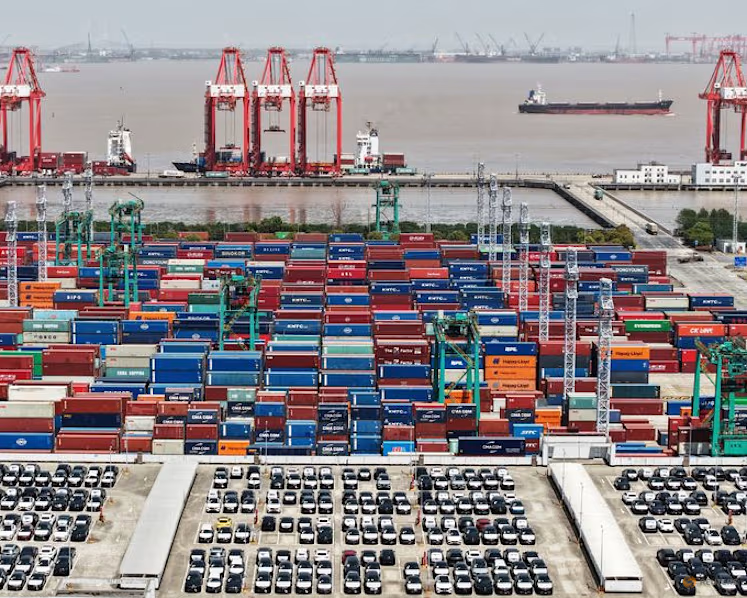
2025年4月13日,中国上海,一处港口停放着用于出口的电动汽车和集装箱,图为无人机视角。中国日报 via 路透社 在接受美国调查的经济体中,有五个——欧盟、印度、日本、韩国和墨西哥—— nevertheless签署了这份最新联合声明。
A drone view shows electric vehicles (EV) for export and containers sitting at a port in Shanghai, China April 13, 2025. China Daily via REUTERS Five of those under US investigation – the EU, India, Japan, South Korea and Mexico – nevertheless signed this latest joint statement.
正如欣里奇基金会贸易负责人黛博拉·埃尔姆斯向我描述的那样,唐纳德·特朗普总统的“美国优先”贸易政策的特点是,美国从与伙伴合作转向“行政驱动的、胁迫性的单边主义”。
President Donald Trump’s "America First" trade policy has been marked by a US shift from working with partners to “executive-driven, coercive unilateralism," as Deborah Elms, Head of Trade at the Hinrich Foundation, described it to me.
然而,一些国家在受到华盛顿审视的同时又加入其行列共同应对中国,这其中并不存在根本性矛盾。无论它们是否接受美国针对自身的指控,它们都有各自的理由担心中国出口会损害本国制造商。
Yet there is no fundamental contradiction in countries facing Washington’s scrutiny while joining it to tackle China. They have their own reasons to worry about Chinese exports undermining domestic manufacturers, regardless of whether they accept the US allegations against themselves.
签署国加入美国一方,表明它们认识到在应对中国的问题上需要美国的领导。特朗普或许不会优先考虑与其他国家合作来实现自己的目标,但至少在这一问题上,他的政府明白,与伙伴合作应对来自中国的挑战比单独应对更有效。
That the signatories joined the US shows they recognise that they need US leadership when it comes to dealing with China. Mr Trump may not prioritise working with other countries to achieve his goals, but here at least his administration appreciates that working with partners to address challenges from China is more effective than taking the country on alone.
“要么我们团结一致,要么各自被绞死”这一原则在这里同样适用,正如它适用于美国独立战争或东盟成立的基础一样。协调一致的行动将防止其他市场被用作后门。
The principle that “either we hang together or be hung separately” applies the same here as it did for the American Revolution or the basis for the founding of ASEAN. A coordinated effort would prevent other markets from being used as a backdoor.
协调将十分复杂 特朗普政府破坏了这些中等强国所依赖的全球基于规则的贸易体系,但它们仍然需要美国的帮助来保护本国经济免受中国竞争的冲击。
COORDINATION WILL BE COMPLICATED The Trump Administration damaged the global rules-based trading system on which these middle powers depend, but they still need US help to protect their economies from Chinese competition.
“中等强国必须共同行动,因为如果我们不在谈判桌上,我们就会出现在菜单上,”加拿大总理卡尼今年1月在达沃斯表示。
“Middle powers must act together, because if we're not at the table, we're on the menu," Canadian Prime Minister Carney said in January in Davos.
“我们尚未看到中等强国采取任何有意义的集体安全行动。美国在威慑俄罗斯和制衡中国方面仍然不可或缺,”前新加坡外交官比拉哈里·考斯坎对我说。
“We have yet to see any meaningful collective security action by the Middle Powers. The US remains indispensable to deter Russia and balance China,” former Singapore diplomat Bilahari Kausikan told me.
“虽然中等强国在贸易方面比在国家安全或人工智能方面拥有更大的自主权,但这种权力是有限的,”他补充道。
"While the Middle Powers have more agency on trade than they do on their national security or AI, this power is limited,” he added.
卡内基国际和平基金会的芭芭拉·韦塞尔在我们举行的一次讨论中分析道:“这份联合声明令人鼓舞,因为它认识到,要成功采取行动,美国需要与其伙伴保持一致。”“但协调将因美国针对结构性产能过剩的301调查而变得复杂,也会因中国可能采取的报复行动或其他旨在挑拨各国相互对立、以阻止集体行动的做法而变得复杂。”这并不意味着特朗普贸易压力的终结。通过对其贸易伙伴征收关税来减少美国贸易逆差,无疑仍将是特朗普贸易政策的核心。
“The joint statement is encouraging because it recognises that successful action requires US alignment with its partners,” Barbara Weisel of the Carnegie Endowment for International Peace analyzed in a discussion we held. “But coordination will be complicated not only by the US Section 301 investigation on structural overcapacity but by potential Chinese retaliation or other efforts to play countries off against one another to discourage collective action.”NOT AN END TO TRUMP TRADE PRESSURE Seeking to reduce US trade deficits by imposing tariffs on its trading partners will undoubtedly remain central to Mr Trump’s trade policy.
尽管这些同样的伙伴将继续寻求实现多元化、减少对美国的依赖,但这份联合声明表明,它们对中国出口规模所带来的经济威胁更加警觉。
And while those same partners will continue to look to diversify away from the US, this joint statement suggests they are even more alarmed by the economic threat posed by China’s export heft.
不过,不要指望美国会因这一初生的合作而结束对新加坡或其他伙伴的301调查。特朗普从不会把关税排除在选项之外。
Still, don’t expect the US to close its Section 301 investigation into Singapore or other partners as a result of this nascent cooperation. Mr Trump never takes tariffs off the table.
但这份关于产能过剩的联合声明表明,美国及其伙伴越来越有意采取协调行动,以应对共同的经济威胁。
But the joint statement on excess capacity shows a growing interest by the US and its partners in taking coordinated action to address a common economic threat.
中等强国可能会努力维护基于规则的贸易体系,而不过度依赖美国或中国。但在保护本国市场免受“中国冲击2.0”影响方面,与美国合作仍是它们最有效的选择。
The middle powers may endeavour to uphold the rules-based trading system without heavy reliance on the US or China. But when it comes to protecting their domestic markets from a China Shock 2.0, working with the US remains their most effective option.
史蒂文·奥昆是总部位于新加坡的地缘战略与责任投资咨询公司APAC Advisors的首席执行官。他曾在比尔·克林顿总统执政期间担任美国交通部副总法律顾问。
Steven Okun serves as CEO of APAC Advisors, a geostrategic and responsible investment consultancy based in Singapore. He served as Deputy General Counsel at the US Department of Transportation in the Administration of President Bill Clinton.