联合国难民署周二警告称,俄罗斯对乌克兰能源基础设施和民用设施的袭击不断加剧,正导致更多人流离失所,使数百万人失去供暖或电力,获取水和其他基本物资的渠道也十分有限。
The UN refugee agency on Tuesday warned that intensifying Russian attacks on Ukraine’s energy infrastructure and civilian facilities are driving further displacement, leaving millions without heating or electricity and with limited access to water and other essentials.
联合国难民署欧洲区域主任菲利普·勒克莱尔在日内瓦对记者表示,日益频繁的导弹和无人机袭击正威胁着乌克兰各地的平民,包括远离前线的地区。
UNHCR Regional Director for Europe Philippe Leclerc told reporters in Geneva that increasingly frequent missile and drone strikes were threatening civilians across Ukraine, including in areas far from the front lines.
9月1日至10月14日期间,共发生10起影响联合国难民署工作人员或人道主义合作伙伴的安全事件,包括在援助人员、办公室、仓库和标识清晰的人道主义车辆附近发生的袭击。
Between Sept. 1 and Oct. 14, 10 security incidents affected UNHCR personnel or humanitarian partners, including strikes near aid workers, offices, warehouses and clearly marked humanitarian vehicles.
勒克莱尔说:“联合国难民署呼吁俄罗斯联邦停止袭击平民,并重申人道主义工作人员和资产必须受到保护,不能被当作攻击目标。”
“UNHCR calls on the Russian Federation to cease attacks on civilians and reiterates that humanitarian workers and assets must be protected and not treated as targets,” Leclerc said.
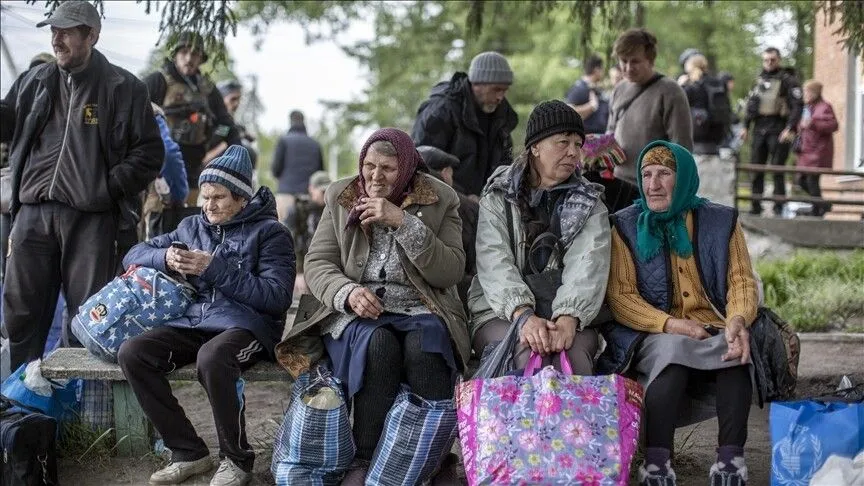
据该机构称,自今年1月以来,已有超过13.6万名撤离人员经过联合国难民署支持的过境中心,比2025年全年记录的近8万人多出约70%。逃离者中近40%是老年人,还有许多其他人身有残疾。
Since January, more than 136,000 evacuees have passed through UNHCR-supported transit centers, about 70% more than the nearly 80,000 recorded throughout 2025, according to the agency. Nearly 40% of those fleeing are elderly, while many others have disabilities.
据估计,乌克兰境内有1080万人需要人道主义援助,同时欧洲各地仍有近520万乌克兰难民。
An estimated 10.8 million people inside Ukraine need humanitarian assistance, while nearly 5.2 million Ukrainian refugees remain across Europe.
勒克莱尔还警告称,欧洲部分地区针对难民的言论和敌意日益加剧,敦促各国政府继续支持流离失所的乌克兰人和收容社区。
Leclerc also warned of growing anti-refugee rhetoric and hostility toward refugees in parts of Europe, urging governments to maintain support for displaced Ukrainians and host communities.
最近的一项调查发现,2025年,分布在九个欧洲国家的成年乌克兰难民中有67%实现了就业,84%的难民儿童就读于所在国的学校。
A recent survey found that 67% of adult Ukrainian refugees across nine European countries were employed in 2025, while 84% of refugee children attended national schools.