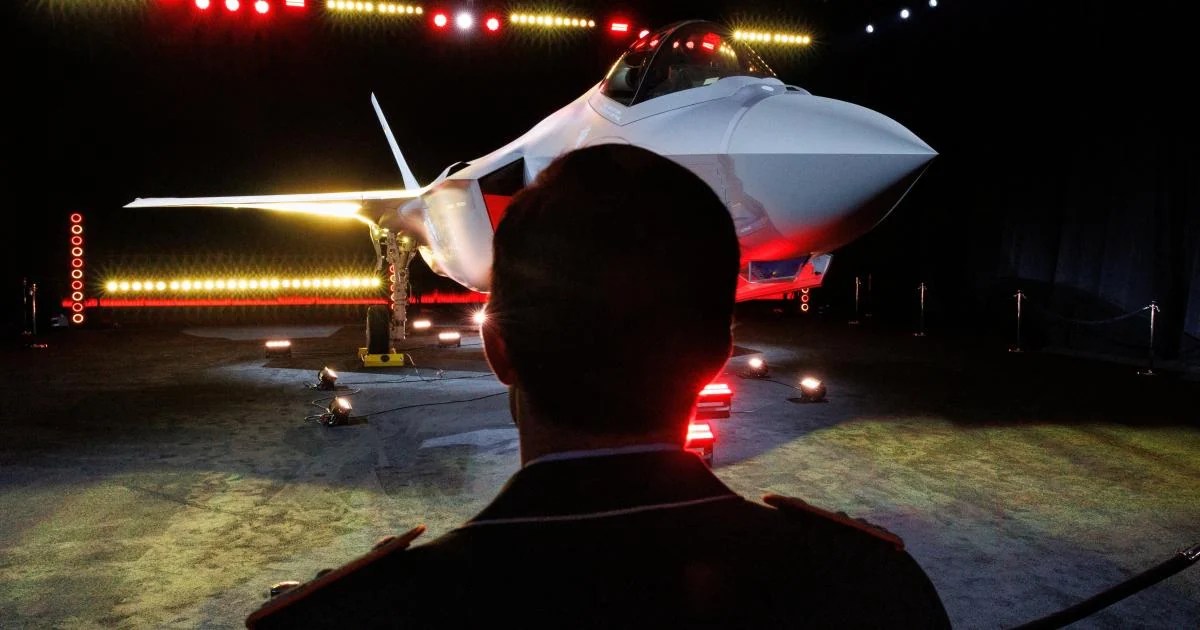
今年5月下旬,一批运往美国、原定从澳大利亚出发 F-35 隐形战斗机零部件被错运至香港并落入中国手中。自2007年以来,中国情报特工及其代理人一直在窃取与 F-35 相关的数据。如今,该战机的一些受到严密保护的部件——包括座舱盖和武器舱门——已经降落在中国领土上,这使北京获得了只有美国及其盟友才能接触到的隐形技术。
In late May, a shipment of F-35 stealth fighter jet parts heading for the United States from Australia was misrouted to Hong Kong and into Chinese hands. Since 2007, Chinese intelligence operatives and their proxies had been stealing data to do with the F-35. Now, some of the jet’s closely guarded components, including a cockpit canopy and weapons-bay door, had landed on Chinese soil—handing Beijing stealth technology that only the United States and its allies have access to.
中国必将试图对其有幸获得的这些技术进行逆向工程。美国官员不认为其中存在恶意行为,他们认为此次交付很可能是一次意外:这是航运延误和一封漏掉的邮件所导致的。但即使没有积极的外国干涉,在华盛顿、堪培拉、洛克希德·马丁公司和第三方航运公司之间协调 F-35 生产和交付的物流本身,就已经将国防机密暴露给了美国最大的竞争对手。
China will surely attempt to reverse-engineer the technologies it was lucky to acquire. U.S. officials do not believe there was foul play here and they think the delivery was likely an accident: the result of a shipping delay and a missed email. But even without active foreign interference, the mere logistics of coordinating F-35 production and delivery among Washington, Canberra, Lockheed Martin, and a third-party shipping company exposed defense secrets to the greatest U.S. rival.
正如美国国防部长皮特·海格塞斯所言,随着华盛顿力求将武器制造重新置于“战时状态”,美国的国防工业基础——即负责支撑美国军事行动的研究、生产、交付和维护的国内外公司及组织网络——正以几十年来未曾见过的速度发展。美国正在与盟友合作,特别是在印太地区,以扩大军事生产并增强供应链应对冲击的韧性。韩国已开始对美国海军舰艇进行维护和修理,日本准备将其关键反弹道导弹的产量提高四倍,美国的精确打击导弹也将很快在澳大利亚的生产线上投产。
The U.S. defense industrial base—the network of domestic and international companies and organizations responsible for the research, production, delivery, and maintenance that undergird American military operations—is growing at a pace not seen in decades, as Washington seeks to place arms manufacturing back on a “wartime footing,” in the words of U.S. Defense Secretary Pete Hegseth. The United States is working with allies, notably in the Indo-Pacific, to expand military production and make supply chains resilient to shocks. South Korea has begun performing maintenance and repairs on U.S. naval vessels, Japan is set to quadruple its production of vital antiballistic missiles, and American Precision Strike Missiles will soon be rolling off assembly lines in Australia.
尽管这种扩张是明智且必要的,但它也伴随着巨大的风险。随着美国国防基础的扩张,它变得更容易受到间谍活动、盗窃和破坏的侵害。
Although this expansion is sensible and necessary, it also carries significant risks. As the U.S. defense base spreads, it becomes more exposed to espionage, theft, and sabotage.
冷战结束后,美国的对手们一直将赋予美国军事优势的研究和基础设施作为攻击目标。如今,俄罗斯、中国和朝鲜等国还可以通过针对美国盟友发起间谍活动,来了解美国的军事能力。由于美军更加依赖那些盘根错节贯穿全球的供应链,美军变得更容易受到敌对势力破坏行动的冲击。
Since the Cold War, U.S. adversaries have targeted the research and infrastructure that give the United States its military advantage. Now, the likes of Russia, China, and North Korea can also learn about American capabilities by mounting espionage campaigns against U.S. allies. Because the U.S. military is more dependent on supply chains that snake around the world, it has become more vulnerable to the disruptive actions of hostile powers.
如果美国未能捍卫其不断深化的军事伙伴关系,对手们将获得前所未有的更多机会,从而在破坏美国防务的同时提升他们自身的军队实力。华盛顿必须帮助其伙伴提高安全标准、更广泛地共享情报和最佳实践,并强化监督计划。如果明智地推行这一举措,对安全的这种强调将不会阻碍美国与其盟友之间的合作,反而会加强合作。但如果美国不应对这一威胁,该国的一大巨大优势将演变成危险的弱点。
If the United States fails to safeguard its deepening military partnerships, adversaries will have more opportunities than ever before to at once undermine American defenses and improve their own militaries. Washington must help its partners raise their security standards, share intelligence and best practices more widely, and fortify monitoring programs. If pursued judiciously, this emphasis on security will not hinder cooperation between the United States and its allies but rather strengthen it. But if the United States does not address this threat, one of the country’s great advantages will become a perilous weakness.
重返基地 在冷战结束后的削减军费浪潮中,美国于20世纪90年代开始与盟友更紧密地合作,以巩固国防生产和供应链。华盛顿于1993年建立了“国家技术与工业基础”,这是一个将美国和加拿大国防企业之间的合作制度化的政策框架。在随后的几十年里,英国、澳大利亚和新西兰也被纳入该协议。但直到最近,这五个国家之间存在的许多法律、官僚和文化壁垒依然阻碍着这一伙伴关系,使其无法充分发挥潜力。
BACK ON BASE In the 1990s, the United States began working more closely with allies to bolster defense production and supply chains amid post–Cold War cuts to military spending. Washington established the National Technology and Industrial Base in 1993, a policy framework that institutionalized cooperation between U.S. and Canadian defense companies. In the following decades, the United Kingdom, Australia, and New Zealand were added to the agreement. But until recently, a number of legal, bureaucratic, and cultural barriers among the five countries hampered this partnership, keeping it from fulfilling its potential.
然而,在过去五年里,华盛顿扩大其国防基地的努力开始加速。2021年,美国、英国和澳大利亚达成的三边“奥库斯”(AUKUS)安全协定——三国承诺共同生产先进军事技术,包括核动力潜艇——是国防工业合作的一个里程碑。在2023年《国家国防工业战略》中,华盛顿概述了其进一步与盟友合作的承诺,认为“竞争性威胁的全球活动日益要求对国防工业关系、关切和竞争采取全球性方法”。
Over the last five years, however, Washington’s efforts to expand its defense base have begun to speed up. In 2021, the trilateral AUKUS security pact between the United States, the United Kingdom, and Australia—in which the three countries pledged to work together to produce advanced military technologies, including nuclear-powered submarines—was a milestone for defense industrial cooperation. In the 2023 National Defense Industrial Strategy, Washington outlined its commitment to further collaboration with allies, arguing that “the global activity of pacing threats increasingly requires a global approach to defense industrial relationships, concerns, and competition.”
次年,美国帮助启动了“印太工业韧性伙伴关系”,这是一个汇集部分西方和亚洲国家的论坛,旨在协调国防制造并保护重要供应链。华盛顿用双边国防生产协议补充了这些多边倡议,包括与澳大利亚、日本、韩国和台湾达成的协定,以在关键国防系统、导弹生产和造船领域建立伙伴关系。美国还计划加快与印度、印度尼西亚和菲律宾的合作。
The next year, the United States helped launch the Partnership for Indo-Pacific Industrial Resilience, a forum that brings together some Western and Asian countries to coordinate defense manufacturing and protect important supply chains. Washington has supplemented these multilateral initiatives with bilateral defense production agreements, including pacts with Australia, Japan, South Korea, and Taiwan to partner on critical defense systems, missile production, and shipbuilding. The United States is also planning to accelerate collaboration with India, Indonesia, and the Philippines.
华盛顿对印太地区国防工业合作的胃口日益增长,只要能得到充分保障,其在那里的伙伴关系就能蓬勃发展。
Washington has a growing appetite for defense industrial cooperation in the Indo-Pacific, and its partnerships there can thrive—as long as they can be adequately secured.
间谍天堂 各国长期以来一直利用间谍活动来评估敌方弱点并窃取尖端技术。它们还实施了蓄意破坏行动,以扰乱对手的供应链并阻碍其战场表现。例如,苏联部分通过渗透曼哈顿计划获得了核武器;近年来,中国窃取了与F-22和F-35隐形战斗机以及C-17运输机相关的机密。技术的迅猛发展招致了暗中破坏与盗窃。人工智能和量子计算的新突破可能产生堪与原子弹相媲美的战略影响,而美国的竞争对手正执着地试图亲自获取这些技术。
SPY HEAVEN States have long used espionage to gauge enemy weaknesses and steal cutting-edge technologies. They have also executed sabotage operations to disrupt opponents’ supply chains and hinder their battlefield performance. The Soviet Union, for instance, gained nuclear weapons in part by penetrating the Manhattan Project; more recently, China stole secrets related to the F-22 and F-35 stealth fighter jets and the C-17 cargo plane. Galloping advances in technology invite subterfuge and theft. New breakthroughs in artificial intelligence and quantum computing could have strategic implications on par with the atomic bomb, and U.S. rivals are tenacious in seeking to acquire such technologies themselves.
根据谷歌威胁情报集团2月份的一份报告,如今美国的国防工业基础在网络空间中“处于持续的多向量围攻状态”。美国的对手正致力于在各个可能的层面上窃取敏感信息、商业机密和知识产权,从招募个别员工到黑客攻击制造商的IT网络。
Today, the American defense base is “under a state of constant, multivector siege” in cyberspace, according to a February report by the Google Threat Intelligence Group. U.S. adversaries are working to steal sensitive information, trade secrets, and intellectual property at every possible level, from recruiting individual employees to hacking manufacturers’ IT networks.
除了发动数字攻击外,中国、朝鲜等外国政府还在专注于国防和两用创新的企业和研究机构内部培植线人。敌视美国的政府,尤其是中国,一直试图建立看似合法的商业和学术关系,以获取专有信息。美国众议院中国问题特别委员会2025年9月的一份报告发现,美国大学与中国实体之间存在100多个学术合作伙伴关系,构成国家安全风险。
In addition to staging digital attacks, foreign governments such as China and North Korea are cultivating sources inside firms and research institutions focused on defense and dual-use innovation. Governments hostile to the United States, notably China, have sought to establish seemingly legitimate business and academic relationships to gain access to proprietary information. A September 2025 report from the U.S. House Select Committee on China found more than 100 academic partnerships between American universities and Chinese entities that pose a national security risk.
国家资助的行为体也已嵌入美国企业和研究部门;例如,朝鲜远程IT工人于2024年渗透一家美国国防承包商,窃取了关于出口管制技术的数据。或许最引人注目的是,美国对手利用外国投资、并购,甚至收购整家公司——有时利用子公司掩盖其参与——来控制关键两用技术。据报道,例如,中国一家国有铁路公司的子公司2008年收购英国Dynex Semiconductor公司(戴纳斯半导体公司),使中国海军获得了开发电磁轨道炮和航母电磁弹射系统至关重要的技术。
State-sponsored actors have also embedded themselves inside American firms and research departments; for instance, North Korean remote IT workers in 2024 infiltrated a U.S. defense contractor and stole data about export-controlled technology. Perhaps most strikingly, U.S. adversaries have used foreign investment, mergers, and even the acquisition of entire companies—sometimes using subsidiaries to mask their involvement—to gain control of critical dual-use technologies. reported that the 2008 buyout of the British-based Dynex Semiconductor by a subsidiary of a Chinese state-owned railway company, for example, gave the Chinese navy access to technology crucial to developing rail guns and electromagnetic launch systems for aircraft carriers.
随着美国国防基础的扩展,其面临的间谍活动、窃密和破坏风险也随之增加。
As the U.S. defense base spreads, it becomes more exposed to espionage, theft, and sabotage.
随着美国不断深化其在印度洋-太平洋地区的防务合作努力,中国和朝鲜越来越多地将该地区的美国盟友作为目标。2024年,韩国警察厅透露,朝鲜黑客对韩国国防企业发动了持续一年多的全面网络攻击,侵入了它们的网络并窃取了技术数据。去年1月,该机构报告称,非法技术转移案件增加了40%,也就是内部人员泄露了与半导体、电池和造船业相关的关键技术的专有信息。许多此类泄露事件都与中国有关。
As the United States has deepened its defense cooperation efforts in the Indo-Pacific, China and North Korea have increasingly targeted U.S. allies in the region. In 2024, South Korea’s National Police Agency revealed that North Korean hackers had mounted all-out cyberattacks against South Korean defense companies for over a year, breaching their networks and stealing technical data. Last January, the agency reported a 40 percent increase in illegal technology transfer cases—that is, of insiders leaking proprietary information on critical technologies to do with semiconductors, batteries, and shipbuilding. Many of those leaks were connected to China.
日本在冷战期间被克格勃称为“间谍天堂”,如今依然是间谍活动的枢纽。7月的一项调查发现,一个名为“第二十局”的驻东京俄罗斯军事情报单位的成员多年来一直伪装成外交官和商人,以协助莫斯科获取被禁止进口的防务技术。这些设备——包括用于引导俄罗斯“Kh-101”巡航导弹的日本零部件——对俄罗斯在乌克兰的战争努力至关重要。
Japan, which the KGB nicknamed “spy heaven” during the Cold War, remains a hub for espionage. A July investigation found that members of a Tokyo-based Russian military intelligence unit called the 20th Directorate have spent years posing as diplomats and businesspeople to help Moscow acquire defense technologies that it is banned from importing. This equipment—which includes Japanese components used to guide Russian Kh-101 cruise missiles—has been essential to Russia’s war effort in Ukraine.
从2019年到2024年,中国黑客组织MirrorFace针对日本的防务、国家安全和先进技术目标发动了200多次网络攻击。2025年2月,日本军方发现,其部分成员在不知情的情况下,传播了载有中国黑客组织所用恶意软件的U盘,时间长达一年多。
From 2019 to 2024, the Chinese hacking group MirrorFace conducted over 200 cyberattacks against Japanese defense, national security, and advanced technology targets. And in February 2025, the Japanese military discovered that some of its members had unknowingly circulated for over a year USB sticks that carried malware used by Chinese hacker groups.
在澳大利亚,美国的对手们已通过多种方式试图渗透“奥库斯”(AUKUS)协议。去年,受伊朗支持的“网络台风”(Cyber Toufan)黑客集团对以色列国防承包商发动了一系列网络攻击,使其获取了有关澳大利亚武器项目的敏感资料,其中包括价值数十亿美元的“红背”步兵战车。澳大利亚国内情报机构总干事迈克·伯吉斯(Mike Burgess)一再警告称,澳大利亚已成为一个重点间谍目标,其“国防人员正成为现实和网络中被针对的目标”。
In Australia, U.S. adversaries have worked to infiltrate AUKUS in a number of ways. Last year, the Iranian-backed Cyber Toufan hacker group mounted a series of cyberattacks on Israeli defense contractors that gave it access to sensitive material on Australian weapons programs, including the multibillion-dollar Redback infantry fighting vehicle. Mike Burgess, the director general of Australia’s domestic intelligence service, has repeatedly warned that Australia has become a priority espionage mark where “defense personnel are being targeted in person and online.”
2024年,伯吉斯披露,一个由未具名外国政府运营、被称为“A小队”(the A-team)的间谍网曾培植并招募了一名前澳大利亚政客来协助他们。在其中的一项计划中,该“A小队”邀请澳大利亚学者和政治人物参加全额资助的海外会议,以建立情报关系——这是一种通常与中国有关的战术。该团伙还提出向澳大利亚国防部门员工支付报酬,以换取有关“奥库斯”及潜艇、导弹系统等敏感技术的信息。
In 2024, Burgess revealed that a spy ring run by an unspecified foreign government, referred to as “the A-team,” had cultivated and recruited a former Australian politician to assist them. In one scheme, the A-team invited Australian academics and political figures to an all-expenses-paid overseas conference to build intelligence relationships—a tactic often associated with China. The group also offered to pay Australian defense sector employees for information on AUKUS and sensitive technologies such as submarines and missile systems.
美国的对手还通过破坏活动来削弱更广泛的美国国防基础。自2022年以来,俄罗斯军事情报部门一直将欧洲的武器制造商、交通运输和物流作为攻击目标。莫斯科甚至曾计划暗杀德国国防巨头莱茵金属公司(Rheinmetall)首席执行官阿尔敏·帕珀格(Armin Papperger),以削弱欧洲大陆对乌克兰的支持。美国安全部门担心,对手可能会将恶意产品引入美国及其盟友的供应链中,以窃取或篡改数据、扰乱运营或中断通信。
American rivals also use sabotage to weaken the broader U.S. defense base. Since 2022, Russian military intelligence has targeted European weapons manufacturers, transportation, and logistics. Moscow even planned to assassinate Armin Papperger, the CEO of the German defense giant Rheinmetall, to undermine the continent’s support for Ukraine. American security services worry adversaries may introduce malicious products into U.S. and allies’ supply chains to steal or alter data, disrupt operations, or interrupt communications.
在战时情景下,当国防工业基础最受需要之际,破坏美国的生产线或武器系统可能会给对手带来巨大的优势。
In a wartime scenario, when the defense industrial base is needed most, compromising American production lines or weapons systems could provide opponents with enormous advantages.
薄弱环节 美国及其盟友拥有防范间谍活动和暗中破坏的系统,但这些系统并不总是奏效。在美国国内,国防反间谍与安全局是实施国家工业安全计划的主导机构,该计划通过管理安全许可、网络安全防护和间谍活动侦测来保护国内国防工业。但即便在国内,军事供应链中许多最脆弱的部分——特别是提供专业软件、零部件或服务的小型公司——在政府的视线之外运作,且往往无力安装充足的网络安全防护。在美国境外,这些问题则被放大。
WEAK LINKS The United States and its allies have systems in place to protect against spying and sabotage, but these systems are not always successful. Within the United States, the Defense Counterintelligence and Security Agency is the lead organization for implementing the National Industrial Security Program, which protects the domestic defense industry by governing security clearances, cybersecurity safeguards, and the detection of espionage. But even domestically, many of the most vulnerable parts of the military supply chain—notably, smaller companies that provide specialized software, parts, or services—operate beyond the government’s field of vision and often cannot afford to install sufficient cybersecurity protections. Outside the United States, these problems are magnified.
尽管双边安全协议为保护机密军事和工业信息确立了标准,但美国伙伴的法律制度、安全文化和能力仍然存在巨大差异。澳大利亚可以说是华盛顿在印太地区能力最强的盟友:它是五眼联盟(一个英语国家情报共享协议)的一部分,通过“奥库斯”协议与美国和英国军队紧密合作,并且拥有一个侧重于保障国防工业安全的强有力但相对较新的计划。尽管如此,伯吉斯警告称,该国正面临“前所未有级别的间谍活动”,随着“奥库斯”合作的深入,这种活动只会增加。
Although bilateral security agreements establish standards for safeguarding classified military and industrial information, U.S. partners still have vastly different legal regimes, security cultures, and capabilities. Australia is arguably Washington’s most capable Indo-Pacific ally: it is part of the Five Eyes Alliance, an Anglosphere intelligence-sharing agreement; works closely with the American and British militaries through AUKUS; and has a robust, albeit relatively new program focused on securing the defense industry. Still, Burgess has cautioned that the country faces “unprecedented levels of espionage” that will only increase as AUKUS collaboration grows.
韩国和日本虽然都是技术先进且具备能力的美国伙伴,但长期以来都存在法律和反间谍方面的漏洞,直到最近才姗姗来迟地着手解决。直到韩国去年二月通过了扩大适用范围的间谍罪法规之前,该国法律中的一项漏洞意味着其政府通常只能在涉及朝鲜的案件中提起间谍指控,迫使其依靠其他法律来起诉来自其他国家的间谍。
South Korea and Japan, while both technologically advanced and capable U.S. partners, have long-standing legal and counterintelligence vulnerabilities that they are only belatedly addressing. Until South Korea passed an expanded espionage statute last February, a loophole in the country’s law meant its government could generally bring espionage charges only in cases related to North Korea, forcing it to rely on different laws to prosecute spies from other countries.
结果,韩国情报机构在应对中国的秘密活动时长期处于“单手被缚”的境地;例如,近年来大多数被抓拍摄敏感设施的中国公民几乎未受到任何惩处。就日本而言,日本法律仍未明令禁止个人充当外国势力的秘密特工或接受外国情报机构的报酬,为外国间谍在日本活动创造了宽松环境。
As a result, South Korean security services have long been operating with one hand tied behind their back in dealing with Chinese subterfuge; most Chinese nationals caught filming sensitive installations in recent years, for instance, have faced little or no punishment. For its part, Japanese law still does not explicitly prohibit individuals from serving as clandestine agents for a foreign power or accepting payment from a foreign intelligence service, creating a permissive environment for foreign spies to operate in Japan.
日本意识到这些问题,正在改革其安全架构:东京近期设立了两个机构监督其情报机关,并正在推动一部新的“反间谍法”,这将最终赋予当局应对间谍活动的适当工具。尽管如此,这些举措面临国内反对,且需要时间才能生效。尽管美国在印太地区的盟友和伙伴正在取得实质性进展,但地区安全标准仍落后于美国。评定等级在未来几年里,美国需要其印太盟友支持其军事目标。
Japan is aware of these problems and is reforming its security architecture: Tokyo recently established two bodies to oversee its intelligence agencies and is pursuing a new “anti-spy” law that will finally give authorities an appropriate set of tools to counter espionage. Still, these measures face domestic opposition and will take time to come into effect. Although American allies and partners in the Indo-Pacific are making meaningful progress, regional security standards still lag behind those of the United States. MAKING THE GRADE The United States needs its Indo-Pacific allies to support its military goals in the coming years.
但一个国家安全架构中的弱点会给所有国家带来隐患。华盛顿必须帮助盟友更好地保护其国防工业。尽管美国以前已经承认过这种需求,但并未给予足够的紧迫感,并且过分狭隘地专注于网络安全。诚然,绝对的安全是不可能的,对盟友过于死板地强加美国标准会放慢技术合作的步伐。尽管如此,美国必须确保盟友的安全计划与其自身具有可比性,并尽最大可能迅速填补任何明显的漏洞。
But weaknesses in one country’s security architecture create vulnerabilities for all. Washington must help its allies better protect their defense industries. Although the United States has acknowledged this need before, it has not treated it with sufficient urgency and has focused too narrowly on cybersecurity. To be sure, absolute security is impossible, and too rigidly enforcing U.S. standards on allies would slow technological cooperation. Still, the United States must ensure that allies’ security programs are comparable to its own and that any glaring gaps are filled as swiftly as possible.
为了启动这些工作,美国应当为国防工业安全开发一套全面的评定系统——一个评估盟友保护关键技术能力并找出改进领域的框架。国务院已经在使用这样一套系统来评估全球打击毒品和人口贩运的努力。国防工业安全评定系统将衡量盟友整个安全体系的实力——包括其法律框架的效力、网络安全、人员审查、涉密信息保护、外资审查和供应链安全——以及它们抵御外国干涉和间谍活动的能力。
To launch these efforts, the United States should develop a comprehensive grading system for defense industrial security—a framework that assesses allies’ ability to safeguard critical technologies and identifies areas for improvement. The State Department already uses such a system to evaluate global efforts to counter narcotics and human trafficking. A grading system for defense industrial security would gauge the strength of the entirety of allies’ security apparatuses—including the efficacy of their legal frameworks, cybersecurity, personnel vetting, protection of classified information, foreign investment screening, and supply-chain security—and their resilience against foreign interference and espionage.
在作战层面上,华盛顿应当扩大现有监督国际国防工业安全的项目。诸如海军刑事调查局和空军特别调查办公室等机构的反间谍特工,已经通过保护关键基础设施、加强网络安全以及与东道国伙伴合作中和外国情报威胁,在国内外执行安全标准。随着国防工业基础在国际上不断扩大,需要更多的资源来按规模维持这些行动,并确保安全标准与联合制造和创新保持同步。
At the operational level, Washington should expand existing programs that oversee international defense industrial security. Counterintelligence special agents from organizations such as the Naval Criminal Investigative Service and the Air Force Office of Special Investigations already enforce security standards at home and abroad by guarding critical infrastructure, strengthening cybersecurity, and neutralizing foreign intelligence threats in collaboration with host-country partners. As the defense industrial base expands internationally, more resources will be needed to sustain these operations at scale and ensure that security standards keep pace with joint manufacturing and innovation.
只有在美国的伙伴能够确保关键技术安全的情况下,真正的责任分摊才有可能实现。
True burden sharing is possible only if U.S. partners can keep critical technologies secure.
美国还应当扩大其信息共享力度,以提醒盟友防范潜在威胁和漏洞。例如,外国伙伴目前对美国国防部网络安全信息共享项目的访问权限有限。美国应当考虑允许国际国防组织访问这些项目,或者与盟友合作开发类似的、专注于确保国防生产安全的多边信息共享平台。
The United States should also expand its information-sharing efforts to alert allies about potential threats and vulnerabilities. Foreign partners currently have limited access, for instance, to Department of Defense cybersecurity information-sharing programs. The United States should consider allowing international defense organizations to access these programs, or else work with allies to develop similar, multilateral information-sharing platforms focused on securing defense production.
最后,华盛顿应当利用印太产业韧性伙伴关系(Partnership for Indo-Pacific Industrial Resilience)建立一个专门致力于国防工业安全的工作流,这将为地区伙伴建立共同安全标准和分享情报最佳实践提供一个论坛。尽管这种合作产生的政策建议不具约束力,但它们将为如何加强国防工业安全提供权威指导。
Finally, Washington should use the Partnership for Indo-Pacific Industrial Resilience to develop a work stream dedicated to defense industrial security, which would provide a forum for regional partners to establish common security standards and share intelligence best practices. Although nonbinding, policy recommendations from this collaboration would provide authoritative guidance on how to strengthen defense industrial security.
F‑35 零部件风波提醒人们,全球化供应链本身就存在固有的脆弱性,而美国的对手正日益渴望加以利用。美国必须依靠国际伙伴来振兴其国防工业基地——但只有在美国伙伴能够确保关键技术安全的前提下,真正的分担负担才有可能实现。美国及其盟友必须努力加强军事实验、生产和供应链的安全。只有具备这些防护措施,才能实现合作带来的收益。
The F-35 parts debacle is a reminder of the inherent vulnerabilities of globalized supply chains, which U.S. adversaries are increasingly eager to exploit. The United States must rely on international partnerships to revitalize its defense industrial base—but true burden sharing is possible only if U.S. partners can keep critical technologies secure. The United States and its allies must strive to stiffen the security of their military research, production, and supply chains. Only with those protections can they realize the gains that come from working together.