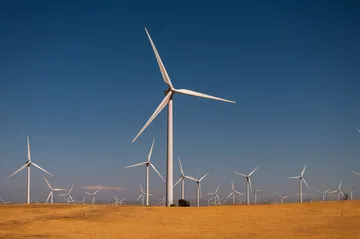
马克·切迪亚克、珍妮弗·A·德劳希和阿里·纳特报道:遭到特朗普政府全力打压行业 campaign 重创的美国风电开发商,近来开始看到一线希望。
By Mark Chediak, Jennifer A Dlouhy and Ari Natter Beleaguered US wind developers beaten down by an all-out Trump administration campaign to throttle the industry had started to see some hope.
主要推动因素是:白宫与部分共和党和民主党人达成协议,要改革美国僵化的能源项目审批制度。但随后,特朗普政府请求联邦法院允许政府重新审议三个在乔·拜登总统任内获批的海上风电项目,从而保留日后可能撤销这些批准的选择权。最近,五角大楼开始将部分陆上风电场从一项国家安全审查中移除——官员们称这是善意姿态——这项审查今年已使数百个项目陷入停滞。
The main catalyst: a deal reached by the White House with some Republicans and Democrats to remake the nation’s sclerotic permitting system for energy projects. But then the Trump administration asked federal courts to let the government reconsider three offshore wind projects authorized under President Joe Biden, preserving an option to potentially void the approvals later. More recently, in what officials cast as a goodwill gesture, the Pentagon started clearing some onshore wind farms from a national security review that had stalled hundreds of ventures this year.
在特朗普对项目进行打压之后,陷入审批改革政治漩涡的风电开发商如今同时面对胡萝卜和大棒。政府的这一策略转变,只是围绕如何加快石油管道、发电厂、太阳能阵列和其他大型能源项目建设这一长期争斗的最新进展;随着人工智能推动电力需求激增,这些项目被视为至关重要。尽管议员们和白宫现已谈成一项妥协方案——被视为改革审批制度一代一遇的机会——但各方都在为11月中期选举后的跛脚鸭立法会期可能陷入僵局做准备。
After a Trump crackdown on projects, wind developers caught in the politics of permitting reform are now getting both carrot and stick at once. The administration’s change in tack is just the latest development in a long-running fight over how to expedite construction of oil pipelines, power plants, solar arrays and other big energy projects, viewed as essential as artificial intelligence drives surging electricity demand. And while lawmakers and the White House now have brokered a compromise plan — seen as a once-in-a-generation opportunity to revamp permitting — all sides are bracing for the possibility of getting bogged down during a lame-duck legislative session after the November midterm elections.
政府尚未表明对面临法律挑战的海上风电项目有何计划。一位白宫高级官员表示,法院的截止期限迫使政府采取行动,并否认这些提交文件是为了争取筹码。但这些举动仍引发了一些警觉。“这就是你如何毁掉一项审批协议的方式,”该法案的首席谈判代表之一、民主党参议员谢尔登·怀特豪斯说。
The administration hasn't signaled its plans for the offshore wind projects under legal challenges. A senior White House official said court deadlines forced its hand and denied that the filings were a bid for leverage. But the moves still sparked some alarm. “This is how you blow up a permitting deal,” said Democratic Senator Sheldon Whitehouse, one of the bill’s chief negotiators.
风险极高。风能在过去十年快速增长后,如今约占该国电力结构的11%,不过近期由于成本上升、供应链混乱,以及最近特朗普的反风能政策,装机增速已放缓。据彭博新能源财经(BloombergNEF)统计,今年陆上风电总装机量约为7吉瓦,开发商争相在共和党取消税收优惠之前开工项目,这一数字较2020年的17吉瓦有所下降。另有4吉瓦的陆上风电项目预计今年和明年并网,但已面临延期。
The stakes are high. Wind energy now accounts for about 11% of the nation’s power mix after rapid growth the past decade, though installations more recently have slowed due to higher costs, supply chain snarls and, most recently, Trump’s anti-wind policies. Total onshore deployments this year will be around 7 gigawatts as developers rushed to start projects before the Republican phaseout of tax incentives, down from 17 gigawatts in 2020, according to BloombergNEF. Another 4 gigawatts of onshore projects expected online this year and next have faced delays.
如果没有重大政策变化,彭博新能源财经不认为除了已在建的海上风电场之外,还会有其他海上风电场开始运营。
And without big policy changes, BNEF doesn’t expect any additional offshore wind farms beginning operations aside from those already under construction.
通过允许少数陆上风电项目推进,该政府表明,它愿意在总统反对绿色能源的立场上做出让步,以换取民主党对该法案的支持。该政府就海上项目提交的法庭文书——这些文书是在第三方法律挑战中提交的——比去年的行动敌意较小,去年的行动包括请求撤销至少一项许可。尽管如此,特朗普团队也在展示其扼杀风电开发的能力,如果谈判不按其意图进行的话。
By allowing a few onshore wind projects to advance, the administration is showing it is willing to offer concessions on the president’s opposition to green energy in exchange for getting Democratic support for the bill. The administration’s court filings over offshore projects — filed in third-party legal challenges — are less hostile than last year’s moves, which included a request to vacate at least one permit. Nevertheless, Trump’s team is also demonstrating its ability to snuff out wind developments if the talks don’t go its way.
“这更多是政治姿态和表演,”政策研究机构卡普斯通(Capstone)的能源分析师保罗·格林诺(Paul Greenough)说。“这是一个筹码。”
“This is more about political posturing and posing,” said Paul Greenough, an energy analyst for Capstone, a policy research firm. “This is a bargaining chip.”
他说,允许部分陆上项目推进所传递的信息是:“我们会释放几个人质,如果我们继续推进,就会释放其余的人。”讽刺的是,这些最近的行动——一些风电项目推进,另一些似乎倒退——凸显了能源公司的论点,即需要进行许可改革。否则,审批流程将继续陷入不确定性之中。
The message sent with the advancement of select onshore projects, he said, is: “We will let a few of the hostages go, and if we move forward, we will release the rest.”The irony is that these recent actions — some wind projects moving forward and some seeming to take steps back — underscore energy companies’ arguments that the permitting overhaul is needed. Otherwise the approval process will remain mired in uncertainty.
一些清洁能源倡导者正在采纳这一论点。美国可再生能源理事会主席雷·朗在接受采访时表示:“我们需要这项许可法案以及其中的所有条款,这些条款将帮助我们获得所需的供应。”
Some clean energy advocates are taking up that argument. “We need that permitting bill and all the provisions that are in it, which are going to help us get the supply that we need,” Ray Long, president of the American Council on Renewable Energy, said in an interview.
美国可再生能源理事会与主要清洁能源行业组织(美国清洁能源协会和太阳能产业协会)上周致信国会,敦促通过许可改革,认为这将有助于为更多项目部署扫清道路。
ACORE, along with top clean energy trade groups (American Clean Power Association and the Solar Energy Industries Association), sent a letter last week to Congress urging passage of permitting reform, arguing it will help clear the path to more deployments.
白宫官员与共和党和民主党参议员谈判达成的妥协法案将限制联邦机构撤销、暂停、修改或干预美国授权或许可的能力。该立法还将阻止美国政府干预已获得所有必要批准的项目建设和运营。如果企业项目受到干预,该法案将允许它们将联邦机构告上法庭。
The compromise bill negotiated by White House officials with Republican and Democratic senators would limit federal agencies' abilities to revoke, suspend, modify or interfere with US authorizations or permits. The legislation would also block the US government from interfering with construction or operation of projects that have secured all necessary approvals. And it would allow companies to take federal agencies to court if their projects are subject to interference.
一些民主党人和环保组织反对这一方案,并指出特朗普最近的举动证明这位总统不可信。自重返执政以来,本届政府采取了前所未有的措施来阻止美国风电发展,叫停新的联邦审批、限制海上风电租赁,并使项目受到更严格的监管审查。白宫还试图叫停已经在建设中的海上风电场,直到法院介入。
Some Democrats and environmental groups oppose the package and have pointed to Trump’s latest actions as evidence the president cannot be trusted. Since returning to office, the administration has taken unprecedented steps to stop US wind development, halting new federal approvals, restricting offshore wind leasing and subjecting projects to greater regulatory scrutiny. The White House also tried to stop offshore wind farms already under construction until the courts intervened.
在五角大楼开始通过其安全审查推进两个风电场项目的前几天,可再生能源组织在一份法庭文件中抱怨称,国防部坚持要求不可接受的新条件,这将阻碍行业发展。在上周放行这两个项目后,五角大楼周二又放行了三个项目。一名白宫官员表示,预计未来几周还会有更多项目获批。
Days before the Pentagon began advancing two wind farm projects through its security clearance reviews, renewable energy groups complained in a court filing that the Defense Department was insisting on unacceptable new conditions that would chill development. After letting the pair of projects through last week, the Pentagon on Tuesday released three additional projects. A White House official said more are expected in coming weeks.
“批准这两个项目中的常规升级显然值得欢迎,但还有数百个陆上风电项目陷入停滞,我希望它们也能推进,把急需的吉瓦电力送入电网,”新墨西哥州参议员马丁·海因里希上周表示。他正与民主党人共同牵头许可谈判。“我乐观地认为,白宫理解这些许可取得善意、向前推进的重要性。”
“Approving the routine upgrades in these two projects is obviously welcome, but there are hundreds of onshore wind projects in limbo that I’d like to see moving also, to get much-needed gigawatts onto the grid,” Senator Martin Heinrich of New Mexico, who is co-leading the permitting negotiations for the Democrats, said last week. “I am optimistic that the White House appreciates the importance of good-faith, forward momentum on these permits.”
彭博新能源财经能源政策分析师德里克·弗拉科尔表示,政府在风电许可问题上发出的混乱信号凸显了谈判的脆弱性。他说,无论是否有意,政府给出的都是达成协议所需的最低限度——而且“甚至可能比那还少”。
Derrick Flakoll, an energy policy analyst for BNEF, said the administration’s mixed signals on wind permitting underscore the tenuous nature of the negotiations. Whether intentional or not, he said, the administration is giving the absolute minimum you need to get a deal — and “maybe even less than that.”