太多美国家庭的电费正在上涨。今年普通家庭每千瓦时大约支付18美分。仅仅两年就上涨了约10%。事实上,从2021年到2025年,居民电价攀升了近30%,远远超过通胀率。与所有关乎餐桌的民生问题一样,这些成本上涨有着实实在在的影响,因为每花一美元在电费上,就少一美元可以用来买食物、给车加油,或者在接下来几周里买圣诞礼物放在树下。
Electric bills are rising for too many American families. The average household is paying about 18 cents per kilowatt-hour this year. That's up roughly 10 percent in just two years. In fact, from 2021 to 2025, residential electricity prices climbed nearly 30 percent, far outpacing the rate of inflation. Like all kitchen table issues, those increased costs have a real-life impact, as every dollar spent on electric bills is one less available to put food on the table, fuel in the car or in the coming weeks, put Christmas presents under the tree.
而且,尽管汽油等成本上涨与伊朗冲突之间存在明显关联,消费者仍有理由发问:是什么推高了我家的电费?我们又怎样才能把这项成本降回去?最近在参议院提出的一项法案,正是朝着这一目标迈出的关键一步,其做法是升级我们现有的输电线路,并利用先进计算技术以前所未有的速度将新发电机组接入电网。距离选举日不到一周,这项立法还具备了一个在一年中的这个时候难得一见的特点:两党共识。
And while there are obvious connections between rising costs like gasoline and the conflict in Iran, consumers are reasonably left wondering: What’s driving up my household electric bill? And how can we bring that cost back down? A bill recently introduced in the Senate represents a crucial step toward doing just that by upgrading our existing power lines and using advanced computing to connect new generators to the grid faster than ever. And less than a week before Election Day, this legislation features something hard to find at this time of year: bipartisan consensus.
《2026年两党美国可负担性与就业法案》于上月底由参议员谢利·摩尔·卡皮托(共和党-西弗吉尼亚州)、迈克·李(共和党-犹他州)、谢尔登·怀特豪斯(民主党-罗得岛州)和马丁·海因里希(民主党-新墨西哥州)提出,这四人分别是参议院环境与公共工程委员会和能源与自然资源委员会的主席和首席议员。这是几十年来联邦许可改革最认真的一次尝试,旨在解决联邦机构在审查和批准包括电网在内的基础设施建设与升级项目的方式上的一些关键问题。
The Bipartisan American Affordability and Jobs Act of 2026 was introduced late last month by Sens. Shelley Moore Capito (R-W.Va.), Mike Lee (R-Utah), Sheldon Whitehouse (D-R.I.) and Martin Heinrich (D-N.M.) — the chairs and ranking members, respectively, of the Senate Environment and Public Works Committee and Energy and Natural Resources Committee. It’s the most serious attempt at federal permitting reform in decades, tackling some of the key problems with federal agencies’ approaches to reviewing and approving projects to build and upgrade infrastructure, including the electrical grid.
多项研究发现,这些许可问题往往给能源项目带来高昂成本,并造成漫长而不必要的延误。这最终减少了可用电量,进而推高了消费者被迫支付的价格。
As multiple studies have found, these permitting problems often add exorbitant costs and cause lengthy, unnecessary delays to energy projects. That ultimately reduces the amount of electricity available, which then drives up the price that consumers are forced to pay.
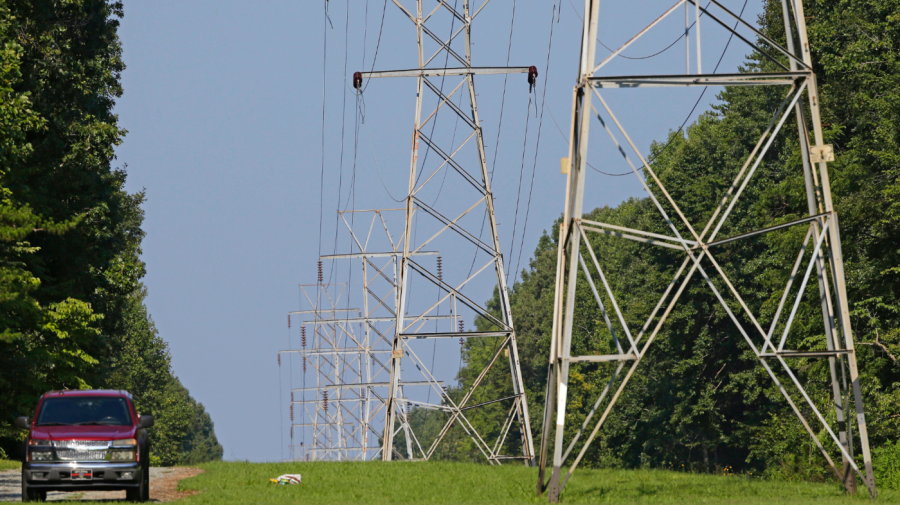
试想一下新建输电线路来输送电力有多难。去年,全国仅完成了约400英里的新建高容量输电线路。这与行业分析师估计的为满足需求每年需新增的近5000英里容量相去甚远。虽然这一瓶颈值得解决,但该法案也为一个更简便的解决办法铺平了道路:重导线改造,即用能在同一路径上输送更多电力的先进导线替换现有输电线路上的老旧导线。
Consider how difficult it is to build new power lines to deliver electricity. Last year, only about 400 miles of new high-capacity transmission lines were finished across the country. That’s a far cry from the nearly 5,000 miles per year of additional capacity that industry analysts estimate we need to keep up with demand. While that bottleneck deserves a solution, the act also paves the way for an easier fix: reconductoring, or replacing older wires on existing power lines with advanced ones that carry more electricity on the same route.
行业研究表明,先进导线可使大多数现有线路的容量有效翻倍,每英里成本不到新建线路的一半,所需时间也只是新建的一小部分。参议院的提案将允许在现有输电走廊内进行的升级跳过全面的环境和历史审查。该提案还将要求联邦监管机构责成其监管的公用事业公司在新建或升级线路时采用先进电网技术,包括现有最好的导线。
Industry studies show that advanced conductors can effectively double capacity on most existing lines at less than half the cost per mile and a fraction of the time it would take to build new ones. The Senate proposal would allow upgrades within existing power line corridors to skip full environmental and historic reviews. It would also have federal regulators require the utilities they oversee to use advanced grid technologies, including the best available wires, when they build or upgrade lines.
在能源政策中,与电力不同,最好走阻力最小的路。在将新能源接入电网方面也应如此。目前,在新电厂能够接入之前,工程师必须研究电网能否安全承受这部分额外电力,并确定需要哪些升级。但这些属于并网流程一部分的研究已成为瓶颈。2025年投运的项目平均从申请到运行耗时约五年。十年前,这一过程只需三年。
In energy policy, unlike with electricity, it is best to follow the path of least resistance. That should also be true for hooking up new energy sources to the grid. Currently, before a new power plant can connect, engineers must study whether the grid can handle that additional power safely and determine what upgrades it needs. But those studies, which are part of the interconnection process, have become a bottleneck. The average project that came online in 2025 took about five years from request to operation. A decade ago, it only took three.
结果如何?超过2000吉瓦的拟建发电和储能项目正在排队等候,超过当前全部已装机电厂的总和。不过,软件可以解决其中很多问题——只要立法者允许。
The result? Over 2,000 gigawatts of proposed generation and storage are waiting in line, more than the entire installed power plant fleet today. Software can fix a lot of this, though — if lawmakers let it.
负责管理中西部大部分电网和批发能源市场的美国中大陆独立系统运营商(MISO)最近进行了一项研究,该研究阶段原本需要686天,后来用自动化研究软件重新运行。这次重跑在10天内完成,包括设置和调试,且对升级成本的估算结果相近。《两党美国可负担性与就业法案》将推动美国能源行业朝这个方向发展。该法案指示联邦能源管理委员会启动规则制定,以便电网运营商共享并使用人工智能、机器学习和自动化来加快研究结果的产出。
Midcontinent Independent System Operator, which manages much of the electric grid and wholesale energy market across the Midwest, recently took a study phase that required 686 days and reran it with automated study software. That rerun finished in 10 days, including setup and debugging, with similar estimates of upgrade costs. The Bipartisan American Affordability and Jobs Act would push the U.S. energy industry in that direction. It directs the Federal Energy Regulatory Commission to start a rulemaking so grid operators share and use artificial intelligence, machine learning and automation to speed up study results.
法案还要求电网数据以自动化研究实际可用的形式提供。当然,尽管该立法鼓励使用人工智能来帮助降低美国人的电费,法案同时确保人工智能不会同时增加成本。根据该法案,数据中心将为其所需的输电支付全部成本,联邦能源信息管理局将开始追踪数据中心使用的电量,以确保政策制定者和选民都能了解它们对电网的影响。
It also requires that grid data be available in forms automated studies can actually use. Of course, even as the legislation encourages using artificial intelligence to help bring down Americans’ power bill, the act ensures that AI doesn’t simultaneously increase costs. Under the bill, data centers would pay the full cost of the transmission they require, and the federal Energy Information Administration would begin tracking how much electricity data centers use to ensure policymakers and voters alike have visibility into their impact on the grid.
这一切都不会一夜之间减少任何人的账单。但更充分地利用现有电网,并清除新增电力方面可避免的延误,是未来几年大幅缓解美国家庭压力的可信途径。为了实现每个美国人都想要的繁荣,我们的国家需要大量电力。根据参议院的新提案,我们可以以更低的家庭成本释放更多电力。这是一个值得接入的未来。泰勒·巴克利是丰裕研究所联邦政府事务主任兼政策顾问。
None of this will shrink anyone’s bill overnight. But getting more out of the wires we have and clearing away avoidable delays for new power are credible ways to dramatically ease pressure on American families in the years ahead. To achieve the prosperity every American wants, our country needs a lot of electricity. Under the Senate’s new proposal, we can unleash more of it at lower costs to households nationwide. That's a future worth plugging into. Taylor Barkley is the director of Federal Government Affairs and Policy Advisor at the Abundance Institute.