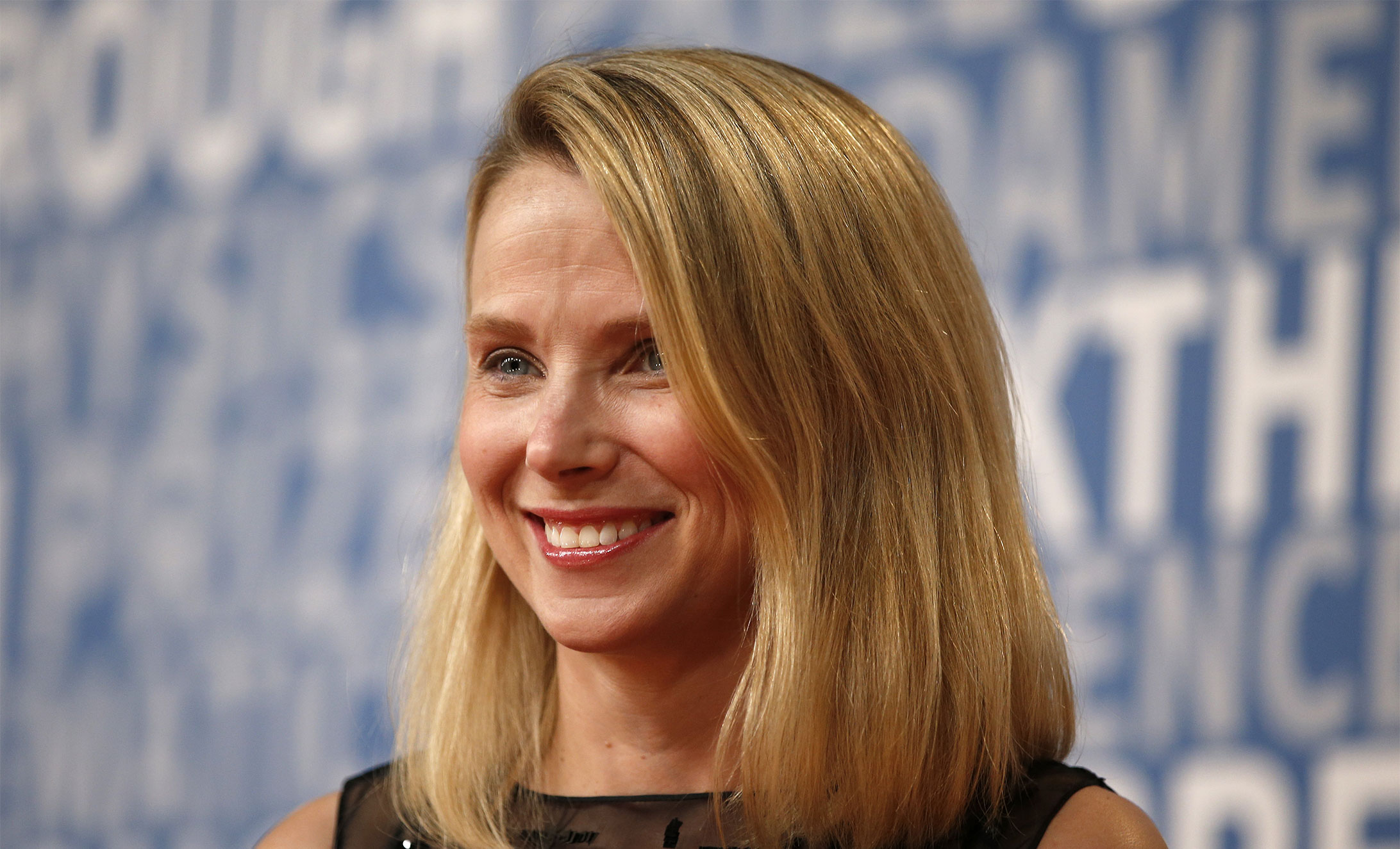
前雅虎首席执行官、谷歌早期工程师梅耶尔因其使用人工智能的方式而遭到大量抨击。在一次关于她新应用 Dazzle 的采访中,这款能从相册中学习的 AI 助手,梅耶尔提出了她认为能展示产品实力的一个亮点:它帮她为女儿在学校的生日演讲想出了三个要点,将这位 10 岁女儿描述为“富有同理心、富有创造力、热爱动物”。
Former Yahoo CEO and early Google engineer Marissa Mayer is catching a lot of flack for how she uses AI. In an interview about her new app Dazzle, an AI assistant that learns from your camera roll, Mayer poses what she believes is an impressive flex for the product: it helped her come up with three bullet points about her ten-year-old daughter for a birthday presentation at school, describing her as “empathetic, creative, and an animal lover.”
这是一个模糊的描述,像个笼统的星座运势——恐怕能套用在许多 10 岁孩子身上。
It’s a vague description, like a generic horoscope — it could probably describe a lot of ten-year-olds.
一些旁观者,如进步派活动家莉亚·格林伯格,惊叹道:“梅耶尔竟会主动向记者透露这件事,这很好地证明了硅谷文化已在多大程度上与人类其他群体背道而驰。”
Some onlookers, like progressive activist Leah Greenberg, marveled that “the fact that Marissa Mayer would voluntarily disclose this to a reporter is a pretty good demonstration of how deeply the culture of Silicon Valley has diverged from the rest of humanity.”"She thought it was perfect."www.nytimes.com/2026/10/25/s…
“她以为这很完美。”www.nytimes.com/2026/10/25/s…—Ryan Mac (@rmac.bsky.social) 2026-10-26T09:42:56.360Z梅耶尔之所以招致如此强烈的反弹,或许是因为我们屡次目睹那些安逸的亿万富翁建议,我们将育儿——人生对耐心、谦逊和善良最伟大的考验之一——外包给一台无法理解人类情感的计算机。
—Ryan Mac (@rmac.bsky.social) 2026-10-26T09:42:56.360Z Perhaps Mayer drew so much backlash because we have repeatedly observed sheltered billionaires suggest that we outsource childrearing — one of life’s greatest tests of patience, humility, and kindness — to a computer that is incapable of understanding human emotion.
我们早已为这种挫败感做好了准备。去年,OpenAI 首席执行官奥尔特曼在全国电视上对“无聊猿” NFT 持有者、深夜脱口秀主持人吉米·法伦说:“我无法想象……如果没有 ChatGPT,怎么弄清楚如何抚养新生儿。”公众也不买账,但奥尔特曼并未因负面反馈而退缩。几个月前,他在 X 上表示,ChatGPT Work 的一个“很酷的用例”将是制作一个播客,谈论孩子即将到来的生日或足球比赛,并“解释孩子的兴趣”。
We’ve been primed for this frustration. Last year, OpenAI CEO Sam Altman told Bored Ape owner and late night host Jimmy Fallon on national television, “I cannot imagine … figuring out how to raise a newborn without ChatGPT.”The public didn’t love that comment, either, but Altman wasn’t phased by the negative feedback. A few months ago, he said on X that a “ cool use case ” of ChatGPT Work would be creating a podcast that talks about your kids’ upcoming birthdays or soccer games and “explain[s] your kids’ interests.” (He was brutally ratioed with comments like, “What if you just talked to your children?”)
(他遭到了惨烈的“反向点赞”,评论如:“要不你直接跟孩子聊聊?”)事后,梅耶尔在 X 平台上发布长文为自己辩护。她声称自己并非依赖 Dazzle 来向她解释自己的孩子,而是在测试原型的功能——它重新呈现了“被遗忘的幼儿园作品”照片,比如“蛇类解毒器”或“沙猫游乐场”,展示了女儿的创造力和对动物的关爱。
After publication, Mayer defended herself in a long X post . She claims she was not relying on Dazzle to explain her child to her, but rather, she was testing what her prototype could do — it resurfaced photos of “forgotten kindergarten projects,” like a “snake devenomer” or “sandcat playground,” illustrating her daughter’s creativity and care for animals.
这倒也说得通。但在同一次采访中,梅耶尔指出,人们也可以用她的 AI 来外包“为孩子生日派对想主题”这类脑力负担。她说自己曾用该应用为女儿安排聚会、在度假时预订家庭活动、决定万圣节扮什么。她甚至提议,她的 AI 助手可以与丈夫的 AI 助手协调计划。当记者问她,想象这种“由 AI 规划的无摩擦未来”是否令人沮丧时,梅耶尔回答:“我还没真正想透彻。”
Fair enough. But Mayer remarks in the same interview that people could also use her AI to outsource the mental load of “figuring out the theme for your child’s birthday party.”She says she’s used her app to plan a playdate for her daughter, book family activities on vacation, and decide what to be for Halloween. She even proposes that her AI assistant could coordinate plans with her husband’s AI assistant. When the reporter asks her if it’s depressing to imagine this “frictionless future… planned by AI,” Mayer replies, “I haven’t really thought that through.”
这些领袖似乎把批评者视为一小群愤怒的边缘人。然而,皮尤研究中心的一项研究报告称,50% 的美国成年人认为 AI 会降低人们建立有意义关系的能力。只有 5% 的受访者表示 AI 会让建立这些联系变得更容易。
These leaders seem to write off the naysayers as part of a small, angry fringe group. Yet a Pew Research Center study reports that 50% of U.S. adults think that AI will reduce people’s ability to form meaningful relationships. Only 5% of respondents said AI would make it easier to build these connections.
然而,Meta 首席执行官马克·扎克伯格与他的硅谷同行一样,设想了一个我们的社交需求通过 AI 得以满足的世界。
Meta CEO Mark Zuckerberg, however, joins his Silicon Valley kin in envisioning a world where our social needs are met via AI.
扎克伯格去年在一档播客节目中说:“我认为普通美国人的朋友很少,不足三个,也就是他们视为朋友的三个人,而普通人对有意义的友谊的需求要多得多,我认为大概是 15 个朋友。普通人想要的连接、联结比他们拥有的要多。”
“The average American I think has, it’s fewer than three friends, three people they’d consider friends, and the average person has demand for meaningfully more, I think it’s like 15 friends,” Zuckerberg said last year on a podcast . “The average person wants more connectivity, connection than they have.”
扎克伯格预测,将情感需求外包给 AI 治疗师,甚至 AI 恋人,会变得更被社会所接受。“当你能拥有现实连接时,现实连接有各种各样更好的地方,”他补充道。“但现实是,人们……感到孤独的时间比他们希望的要多得多。”
Zuckerberg predicts that it will become more socially acceptable to outsource our emotional needs to AI therapists or even AI romantic partners. “There are all these things that are better about physical connections when you can have them,” he added. “But the reality is that people […] feel more alone a lot of the time than they would like.”
扎克伯格接着解释说,AI 化身的虚拟现实化身正变得越来越逼真。Meta 似乎更热衷于改善我们与这些人类近似物的关系,而不是改善每天使用其平台的数十亿实际人类之间的关系。
Zuckerberg goes on to explain how virtual reality embodiments of AI avatars are only growing more realistic. Meta seems to be more keen on improving our relationships with these approximations of humans, rather than between the actual billions of humans who use its platforms each day.
这或许部分源于推崇效率的科技行业文化。人们试图通过健康追踪器优化睡眠时间表,或注射未受监管的“肽类组合”,来对自己的身体进行“生物黑客”改造,以极大化生产力。
Maybe part of this stems from the culture of the tech industry, which prizes efficiency. People try to biohack their own bodies by optimizing their sleep schedules with health trackers or injecting unregulated “ peptide stacks ” to maximize their productivity.
如果你在制造电动汽车或计算机芯片,那么当然,效率是明确的北极星。但我们与他人的关系,并非一种我们被挑战用尽可能少的资金推向市场的科技产品。人际关系本质上是混乱的,但我们彼此的连接,却能赋予生活意义。当我们将这些互动委托给计算机时,我们就放弃了作为人的那种艰难却充实的体验。
If you’re building electric vehicles or computer chips, then sure, efficiency is a clear North Star. But our relationships with other people are not a tech product that we’ve been challenged to ship with little capital as possible. Human relationships are inherently messy, but our connections with one another can be what gives our lives meaning. When we delegate those interactions to computers, we surrender the difficult, yet fulfilling experience of being people.