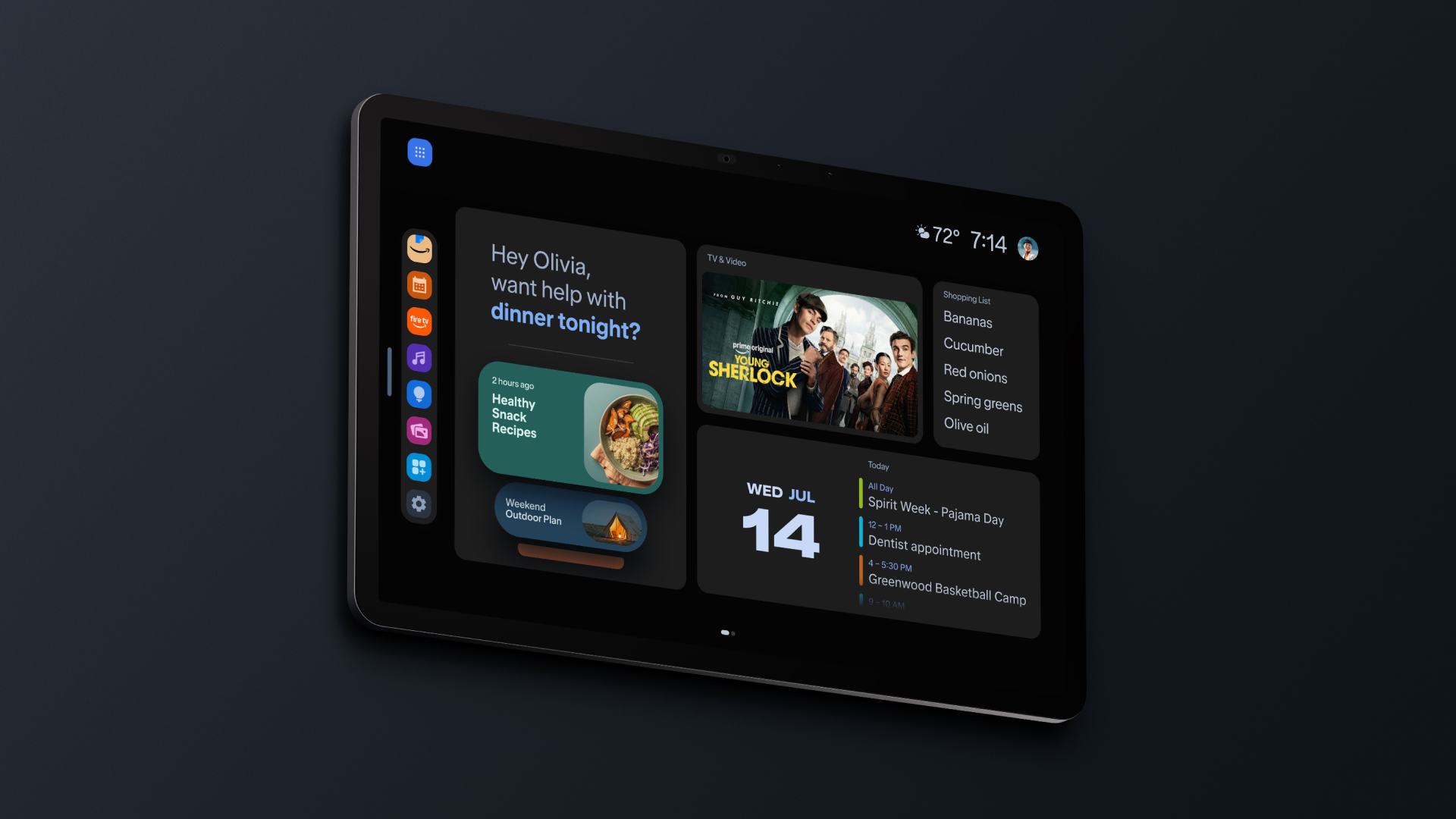
亚马逊希望 AI 能更多地看见和听到你的家庭生活。该公司周三发布了新款 Echo 设备,包括搭载 Alexa 的智能音箱、注入 AI 的数码相框、智能闹钟,以及一款运行最新版 Alexa+ 的用于家庭管理的新型智能显示屏。
Amazon wants AI to see and hear more of your home. The company on Wednesday unveiled its new Echo devices, including Alexa-powered speakers, an AI-infused digital picture frame, smart alarm clocks, and a new smart display for managing the home, all running the latest version of Alexa+.
这一产品阵容显示 AI 设备正变得更加个性化,制造商正在寻找收集和分析客户数据的新途径。亚马逊的智能音箱能识别出家里是谁在说话,并播放该用户的歌单,而不是其兄弟姐妹的。
The lineup shows increasing personalization of AI devices, whose makers are finding fresh ways to collect and analyze customer data. Amazon’s smart speaker recognizes who in the family is talking and plays their playlist, not their sibling’s.
智能闹钟利用超声波追踪呼吸以改善睡眠。另一项功能让用户构建房屋的 3D 地图,再接入 Ring 摄像头监控室外人员和车辆的移动 —— 这也是未来家用机器人将需要的空间数据。
The alarm clock uses ultrasound to track breathing and improve sleep. Another feature lets users build a 3D map of their house, then pull in Ring cameras to monitor people and cars moving around outside — the kind of spatial data home robots will eventually need, too.
谷歌、苹果,据传还有 OpenAI,也在竞相将 AI 注入家用硬件。但人们在家中想要 —— 或需要 —— 多少 AI 可能存在上限。生活的某些部分还是不必过度优化为好。—— J.D. Capelouto
Google, Apple, and reportedly OpenAI are also racing to infuse home hardware with AI. But there may be limits to how much of it people want — or need — in their house. Some parts of life are better left un-optimized. — J.D. Capelouto