马克·莱维 哈里斯堡,宾夕法尼亚州——纽约州正在对陪伴型聊天机器人的行为实施影响更深远的限制。与此同时,各州正日益采取行动保护使用人工智能的儿童、规范雇主如何部署人工智能系统,并推动开发者防止人工智能引发的灾难。
MARC LEVY HARRISBURG, Pa. — New York is enacting farther-reaching restrictions on companion chatbot behavior, as states increasingly move to protect children who use artificial intelligence, regulate how employers deploy AI systems and push developers to prevent an AI-caused catastrophe .
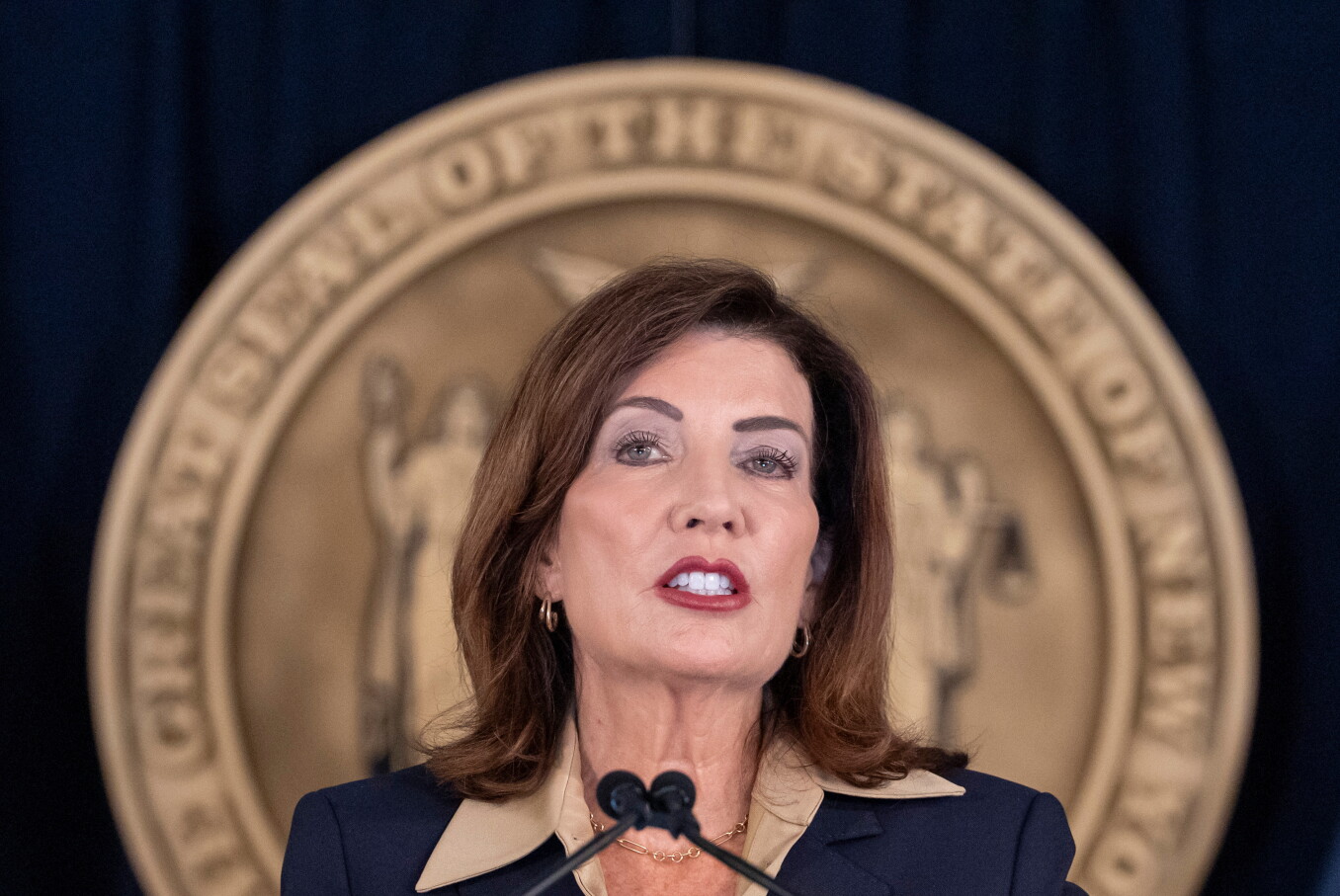
州长凯西·霍楚尔周三签署的法案列出了十几种“不安全的AI陪伴功能”的定义,当陪伴型聊天机器人与18岁以下的儿童互动时,这些功能将被禁止。
Legislation signed Wednesday by Gov. Kathy Hochul outlines a dozen definitions of “unsafe AI companion features” that will be prohibited when a companion chatbot interacts with a child under 18.
违反规定可能使聊天机器人开发者面临州总检察长办公室提起的诉讼。处罚措施可能包括金钱赔偿、关闭聊天机器人以及销毁数据。该法律将于1月1日生效。
A violation could expose a chatbot developer to a lawsuit by the state attorney general’s office. Penalties could include monetary damages, shutting down the chatbot and destroying data. The law takes effect Jan. 1.
霍楚尔在竞选连任的关键时刻签署了这项法案。当前,人们对人工智能技术快速发展所带来的生存性风险警告日益增多,并呼吁态度迟疑的华盛顿采取大胆行动。
Hochul, in the thick of her reelection campaign, signed the bill amid growing warnings about the existential risks posed by the rapid development of AI technology and calls for bold action by a reluctant Washington .
由于国会在监管人工智能方面几乎无所作为,各州立法机构正大量推动利用州消费者保护法,使人工智能的使用更加透明,并约束聊天机器人和失控的人工智能前沿模型。
With Congress doing little to regulate AI, state legislatures are packed with efforts to wield state consumer protection laws to make AI use more transparent and rein in chatbots and rogue AI frontier models.
纽约州和加利福尼亚州处于此类法律的先锋位置,这些法律也将矛头对准了社交媒体平台。
New York and California are at the vanguard of such laws that also are targeting social media platforms.
今年9月,加州州长加文·纽森签署了一项法律,要求聊天机器人开发者评估模型对儿童的风险,展示他们如何努力消除这些风险,并接受独立审计以确定其是否遵守法律。
In September, California Gov. Gavin Newsom signed legislation requiring chatbot developers to assess a model’s risk to children, show how they tried to eliminate those risks and submit to an independent audit to determine whether they are complying with the law.
他还签署了一项法律,禁止社交媒体平台对16岁以下的用户使用令人上瘾的功能。
He also signed legislation to prohibit social media platforms from deploying addictive features for users under 16.
与此同时,八个州本月早些时候起诉了人工智能巨头OpenAI,称该公司广受欢迎的聊天机器人模型通过伤害儿童和欺骗成年人,违反了州消费者保护法律。一位活动人士称这是“针对人工智能公司采取的最重大的协调州级行动”。然而,州长们承认,国会和联邦政府拥有更深远的能力来遏制人工智能构成的威胁,尽管唐纳德·特朗普总统已淡化相关担忧,并警告各州不要监管人工智能。
Meanwhile, eight states sued AI giant OpenAI earlier this month, saying the company’s popular chatbot model violated state consumer protection laws by hurting children and deceiving adults in what one activist called “the most significant coordinated state action ever taken against an artificial intelligence company.”However, governors acknowledge that Congress and the federal government have farther-reaching abilities to clamp down on AI-posed threats, even as President Donald Trump has brushed off concerns and warned states not to regulate AI.
根据纽约州的法律,针对18岁以下儿童被禁止的聊天机器人行为包括:暗示聊天机器人是拥有情感、观点或与儿童存在真实关系的真人。法律还禁止聊天机器人发送使用奉承、涉及露骨性内容或鼓励保密及不健康行为的信息。
Under New York’s law, outlawed chatbot behavior with children under 18 includes suggestions that the chatbot is a real person that has emotions, opinions or an actual relationship with the child. It also outlaws chatbot messages that use flattery, involve sexually explicit material or encourage secrecy or unhealthy behavior.
监督组织“常识媒体”创始人兼首席执行官吉姆·斯泰尔称,纽约州的法律是“全国最强有力的儿童人工智能安全法案”。“未来隐私论坛”政策分析师贾斯汀·格鲁克表示,加利福尼亚州和纽约州采取的不同监管方式,可能成为其他州在明年立法机构重新召开后效仿的模式。该论坛是一个专注于数据保护和人工智能治理的非营利组织。
Jim Steyer, founder and CEO of watchdog group Common Sense Media, called New York’s law “the strongest kids’ AI safety bill in the country.”Justine Gluck, policy analyst at the Future of Privacy Forum, a nonprofit focused on data protection and AI governance, said the different regulatory approaches by California and New York could be models other states adopt after legislatures reconvene next year.
格鲁克说,纽约州的法律凸显了聊天机器人监管演变的速度,各州正从基本的披露要求和危机响应协议,转向对聊天机器人底层设计和运行的监管。
New York’s law, she said, underscores how quickly chatbot regulation is evolving, as states move beyond basic disclosures and crisis-response protocols to regulating the underlying design and operation of chatbots.
不过,格鲁克表示,纽约州法律中的几个类别措辞宽泛或未加以定义。
Still, several categories in New York’s law are broadly worded or undefined, Gluck said.
她说,这引发了一个问题:“普通的对话式回应在哪里结束,被禁止的行为从哪里开始”,并可能使执法工作变得复杂。关注马克·列维的报道:
That raises questions, she said, about “where ordinary conversational responsiveness ends and prohibited behavior begins,” and could complicate how it is enforced. Follow Marc Levy at