澳大利亚的《数字关怀责任法案》将禁止人工智能聊天机器人与儿童建立“情感亲密”。该法案于10月28日星期三在众议院通过,乔什·巴特勒为《卫报》报道。现送交参议院审议。
Australia’s digital duty of care bill would bar AI chatbots from building “emotional intimacy” with children. The bill passed the House of Representatives on Wednesday, 28 October, as Josh Butler reported for The Guardian. It now goes to the Senate.
该聊天机器人规定来源于独立议员凯特·陈的修正案,政府于星期三接受了这些修正案。修正案将某些聊天机器人的行为列入法案的危害清单。平台必须禁止:“模拟情感亲密并鼓励或促使儿童依赖其取代人与人之间关系的材料或行为”该措辞涵盖儿童对聊天机器人的依赖,但不包括使用人工智能伴侣的成年人。
The chatbot rule came in through amendments from independent MP Kate Chaney, which the government accepted on Wednesday. They add certain chatbot conduct to the bill’s list of harms. Platforms would have to ban: “material or conduct that simulates emotional intimacy and encourages or fosters a child’s dependence on it in place of human relationships” The wording covers a child’s dependence on a chatbot. It does not cover adults who use AI companions.
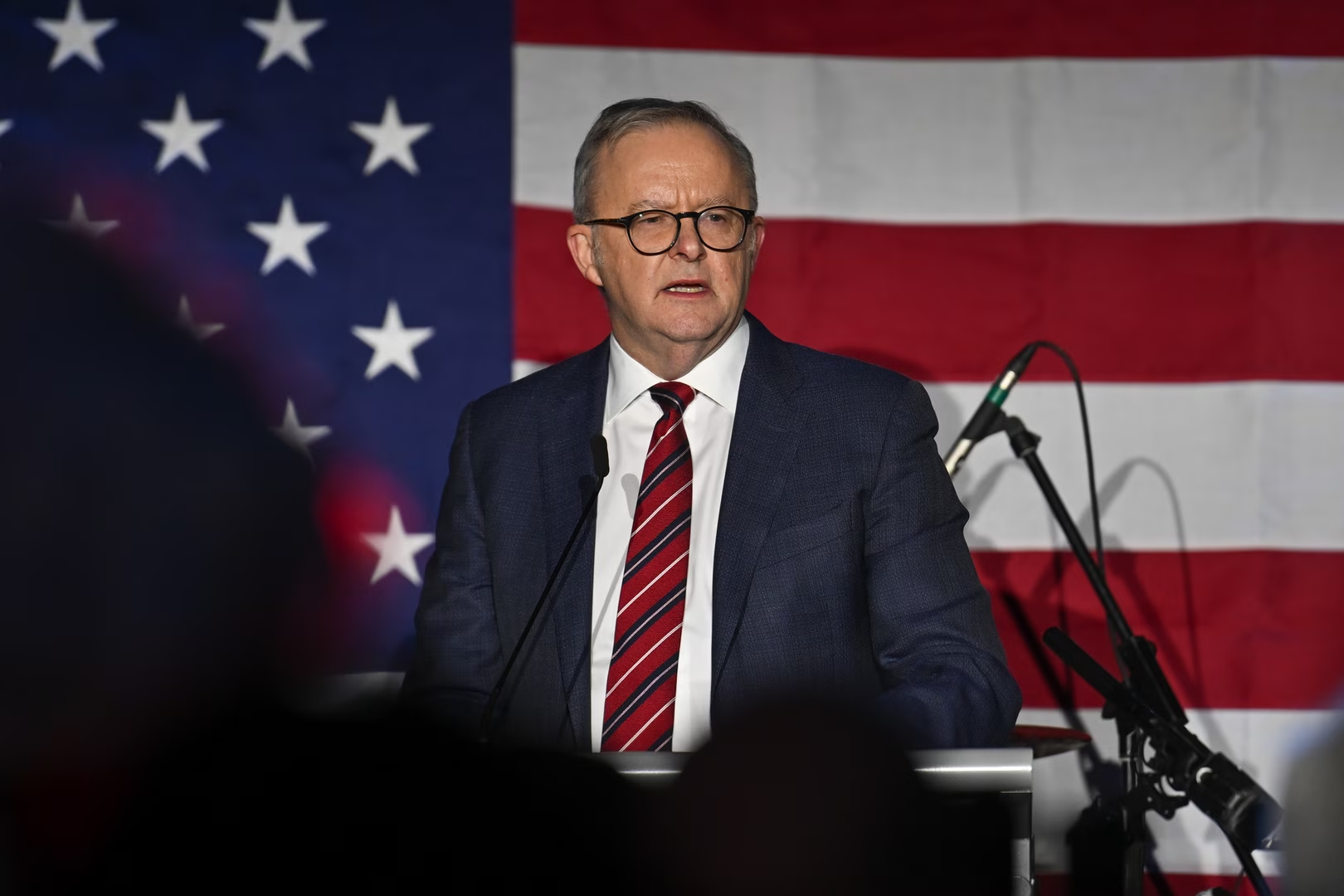
阿尔巴内斯在周二晚上的演讲中向联盟党总理安东尼·阿尔巴内斯阐述了该法案的理由。他再次呼吁反对派联盟投票支持该法案。
Albanese’s appeal to the Coalition Prime Minister Anthony Albanese made the case for the bill in a speech on Tuesday night. He again asked the opposition Coalition to vote for it.
阿尔巴内斯说:“我们听到的关于有人把聊天机器人、非人格实体当作最好的朋友的故事,应该成为本议会每位成员的巨大警醒,提醒大家做好行动准备。”
“The stories we hear about people identifying a chatbot, a non-person as their best friend, should be a huge wake up call for every member of this parliament to be prepared to act,” Albanese said.
该框架将为社交媒体、游戏、应用程序和聊天机器人设定新的网络安全标准。工党表示,这对平台提出了“总体义务”,以保障澳大利亚人在网络上的安全。它将用一个更广泛的关怀责任取代现有的多项网络准则和标准。
The framework would set new online safety standards for social media, games, apps and chatbots. Labor said it places “an overarching obligation” on platforms to keep Australians safe online. It would replace several existing online codes and standards with one broader duty of care.
该法案还要求社交媒体平台提供算法退出选项。另一项同样被接受的陈修正案规定,退出选项必须“易于获取、使用便捷”,并且“显著可见”。通讯部长阿尼卡·威尔斯表示,该法律将涵盖宣传厌女症、恐怖主义、自杀、自残和饮食失调的内容。参议院的争论在众议院投票时,联盟党和“一国党”投反对票。反对者指责工党在构建一个“奥威尔式”的“审查”体系,威尔斯对此予以驳斥。
The bill also makes social media platforms offer an algorithm opt-out. Another Chaney amendment, also accepted, says that opt-out must be “accessible, easy to use” and “prominently available”. Communications Minister Anika Wells has said the laws would capture content that promotes misogyny, terrorism, suicide, self-harm and eating disorders. The Senate fight The Coalition and One Nation voted against the bill in the House. Opponents have accused Labor of building an “Orwellian” system of “censorship”, claims Wells has rejected.
韦尔斯周三对澳大利亚广播公司电台表示:“如果他们真的关心,检验的方法很简单,他们应该提出修正案,而不是喊‘否决法案’的口号。”
“If they really care, the test is simple here, they should bring an amendment, not a slogan to ‘kill the bill’,” Wells told ABC radio on Wednesday.
绿党支持该法案,并已设立参议院调查,预计于11月下旬提交报告。他们希望澳大利亚人能够起诉平台,并希望提高处罚力度。工党希望参议院在2026年底前通过该法案。工党表示对修正案持开放态度。
The Greens support the bill and have set up a Senate inquiry, due to report in late November. They want Australians to be able to sue platforms and want higher penalties. Labor hopes the Senate passes the bill by the end of 2026. It says it is open to amendments.
要求设立大型科技公司监察专员的呼声 工党还面临压力,被要求将电信行业监察专员设为社交媒体和人工智能的投诉机构。独立议员索菲·斯坎普斯提出了这一修改,但工党在下议院未予接受。绿党将在参议院推动这一修改。
Calls for a big tech ombudsman Labor is also under pressure to make the telecommunications industry ombudsman a complaints body for social media and AI. Independent MP Sophie Scamps proposed the change, which Labor did not accept in the lower house. The Greens will push for it in the Senate.
监察专员辛西娅·格伯特表示,她的办公室可以承担这一职责,并由大型科技公司出资。
The ombudsman, Cynthia Gebert, said her office could take on the role, paid for by big tech.
格伯特说:“我们可以帮你处理Telstra账户的问题,但帮不了你的Gmail账户。”
“We can help with your Telstra account, but we can’t help with your Gmail account,” Gebert said.
澳大利亚已实施16岁以下社交媒体禁令。这项聊天机器人规定出台之际,海外正对人工智能伴侣和儿童问题感到担忧。
Australia already has an under-16 social media ban. The chatbot rule follows concerns abroad about AI companions and children.